
Super Large Limestone Grinding Mill: High-Capacity Solutions for Industrial Applications
We provide a wide range of mills — including Raymond mill, trapezoidal mill, vertical mill, ultrafine mill, and ball mill, obtained ISO9001 international quality certification, EU CE certification, and Customs Union CU-TR certification. Suitable for processing minerals such as limestone, phosphate, quicklime, kaolin, talc, barite, bentonite, calcium carbonate, dolomite, coal, gypsum, clay, carbon black, slag, cement raw materials, cement clinker, and more.
The discharge range of these mills can be adjusted to meet specific processing needs, typically from 80-400 mesh, 600-3250 mesh, and can achieve the finest particle size of up to 6000 mesh(D50).
If you are looking for a reliable grinding solution to turn stone or minerals into fine powder, please feel free to contact our online customer service.
Super Large Limestone Grinding Mill: High-Capacity Solutions for Industrial Applications
In the world of industrial mineral processing, the demand for high-capacity, efficient, and reliable limestone grinding solutions has never been greater. Limestone, a fundamental raw material for construction, agriculture, and numerous chemical processes, requires milling equipment that can deliver consistent ultra-fine powders at scale without compromising on operational costs or environmental standards.
For operations requiring throughputs in the range of 0.5 to 25 tons per hour, where input sizes are manageable (0-20mm), the challenge is finding a mill that balances high yield with energy efficiency. This is where advanced ultrafine grinding technology truly shines, offering a significant leap over traditional ball mills or older Raymond mill designs.
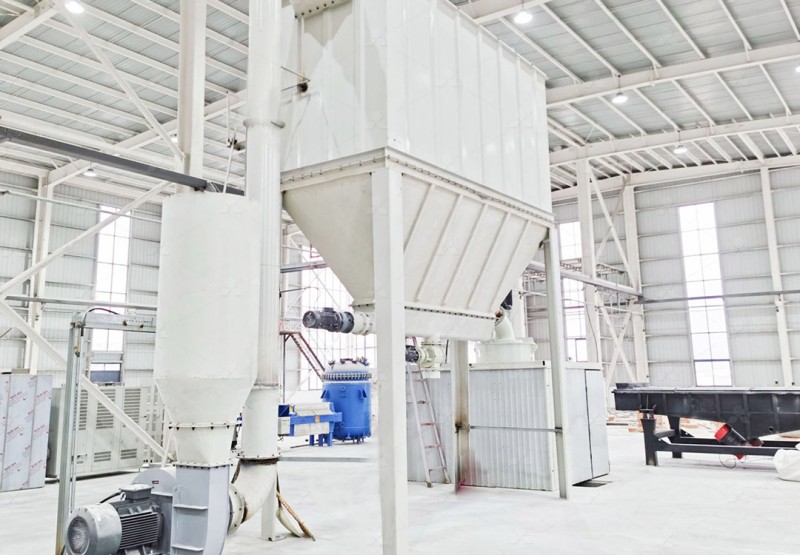
Key Considerations for Large-Scale Limestone Milling
When selecting equipment for high-volume limestone powder production, several factors are paramount. Energy consumption per ton is a primary concern, as grinding is inherently an energy-intensive process. The ability to precisely control fineness between 325 and 2500 meshes is crucial for meeting diverse application specifications in plastics, paints, and coatings. Additionally, maintenance requirements and operational downtime directly impact overall productivity and profitability. Environmental compliance, particularly regarding dust and noise emissions, is no longer optional but a necessity for modern operations.
Advanced Technology for Unmatched Performance
After evaluating various technologies on the market, our MW Ultrafine Grinding Mill stands out as a premier solution for super large limestone grinding applications. This machine incorporates German-designed cage-type powder selector technology that dramatically increases separation precision, allowing operators to accurately achieve target fineness levels up to 2500 meshes with exceptional screening rates of d97≤5μm in a single pass.
What truly sets the MW series apart is its innovative design that eliminates rolling bearings and screws within the grinding chamber. This revolutionary approach virtually eliminates concerns about bearing failures or loose screws causing catastrophic damage – a common frustration with conventional mills. The external lubrication system enables maintenance without shutdowns, supporting continuous 24/7 operation that large-scale operations demand.
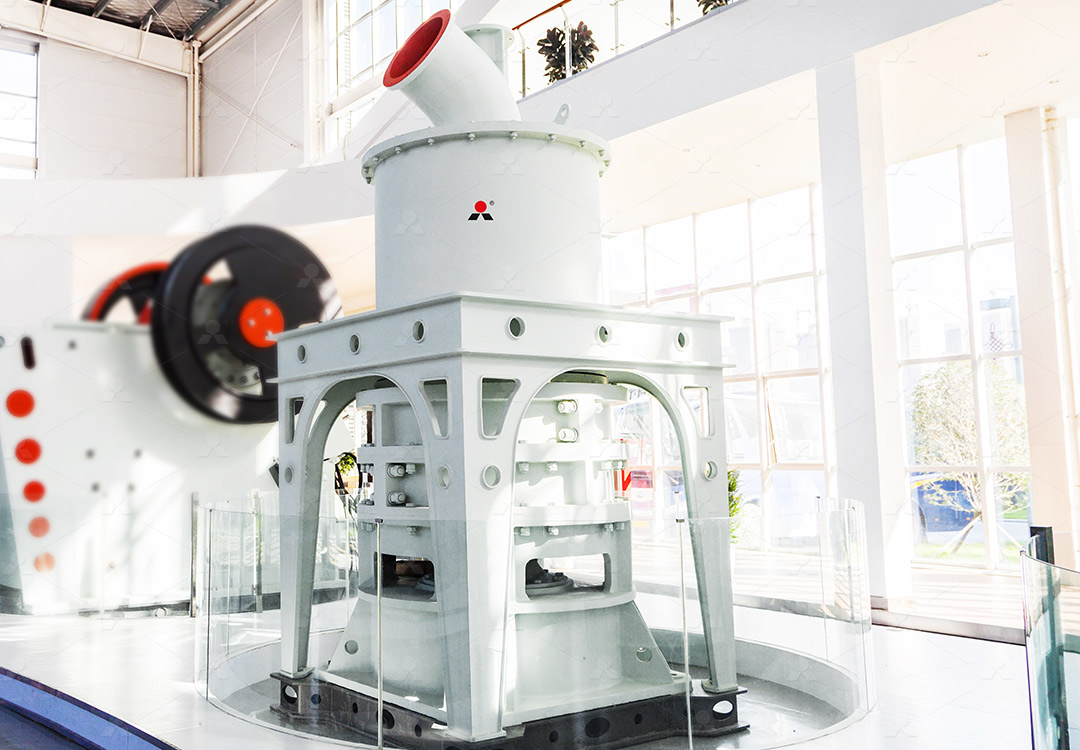
Eco-Friendly Operation Without Compromise
Modern industrial operations cannot afford to overlook environmental responsibilities. The MW Ultrafine Grinding Mill addresses this with an integrated efficient pulse dust collector that ensures no dust pollution throughout the entire milling process. Combined with silencers and noise elimination technology, the system operates well within national environmental protection standards while maintaining maximum productivity.
The economic advantages are equally impressive. Compared to jet mills or stirred grinding mills, the MW series delivers approximately 40% higher production capacity at the same power consumption and fineness level. When measured against traditional ball mills, the productivity advantage reaches 100% – effectively doubling output while reducing system energy consumption to just 30% of what jet mills require.
Proven Applications Across Industries
Beyond limestone, the MW Ultrafine Grinding Mill proficiently processes calcite, dolomite, petroleum coal, gypsum, barite, marble, talc, and coal powder. Its capabilities extend to specialized applications in the chemical industry, paint production, cosmetics, pharmaceuticals, and food additives where purity and consistency are non-negotiable.
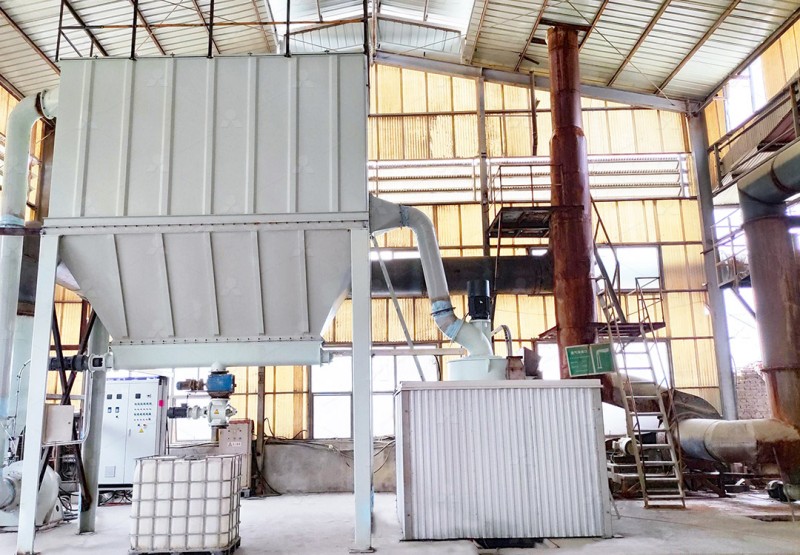
Supporting Continuous Operation
For large-scale operations, equipment reliability and support infrastructure are as important as the machinery itself. We stand behind every machine we produce, offering comprehensive technical services and genuine spare parts to ensure worry-free operation. Our digitalized manufacturing processes utilizing numerical control machine tools guarantee high precision machining, particularly for core components that endure the most stress during operation.
For operations requiring even higher throughputs or different feed characteristics, our LUM Ultrafine Vertical Grinding Mill presents another excellent option. With input sizes of 0-10mm and capacities of 5-18 tph, it incorporates the latest Taiwanese grinding roller technology and German powder separating technology for exceptional performance in ultrafine powder grinding, grading, and transporting.
Conclusion
Selecting the right grinding mill for large-scale limestone applications requires careful consideration of capacity requirements, energy efficiency, maintenance needs, and environmental impact. The MW Ultrafine Grinding Mill represents the culmination of advanced engineering specifically designed to meet these challenges head-on, delivering unprecedented productivity while reducing operational costs and environmental footprint. For operations looking to scale their limestone powder production without compromising on quality or efficiency, this technology offers a compelling solution that merits serious consideration.