
80 Tons Per Hour Steel Slag Vertical Mill Production Line Configuration and Cost Analysis
We provide a wide range of mills — including Raymond mill, trapezoidal mill, vertical mill, ultrafine mill, and ball mill, obtained ISO9001 international quality certification, EU CE certification, and Customs Union CU-TR certification. Suitable for processing minerals such as limestone, phosphate, quicklime, kaolin, talc, barite, bentonite, calcium carbonate, dolomite, coal, gypsum, clay, carbon black, slag, cement raw materials, cement clinker, and more.
The discharge range of these mills can be adjusted to meet specific processing needs, typically from 80-400 mesh, 600-3250 mesh, and can achieve the finest particle size of up to 6000 mesh(D50).
If you are looking for a reliable grinding solution to turn stone or minerals into fine powder, please feel free to contact our online customer service.
80 TPH Steel Slag Vertical Mill Production Line Configuration and Cost Analysis
Steel slag, a by-product of the steelmaking process, presents both a disposal challenge and a potential revenue stream when processed correctly. Grinding it into a fine powder for use in cement blends or as a construction aggregate requires robust and efficient milling technology. For an 80 tons per hour (TPH) production line targeting steel slag, the configuration and equipment selection are paramount to achieving profitability.
Core Mill Selection: The Heart of the Operation
The most critical component is the vertical grinding mill. For such a high-capacity application involving abrasive materials like steel slag, a mill must offer exceptional durability, energy efficiency, and minimal maintenance downtime. While several options exist, our LM Vertical Slag Mill is specifically engineered for this exact purpose.
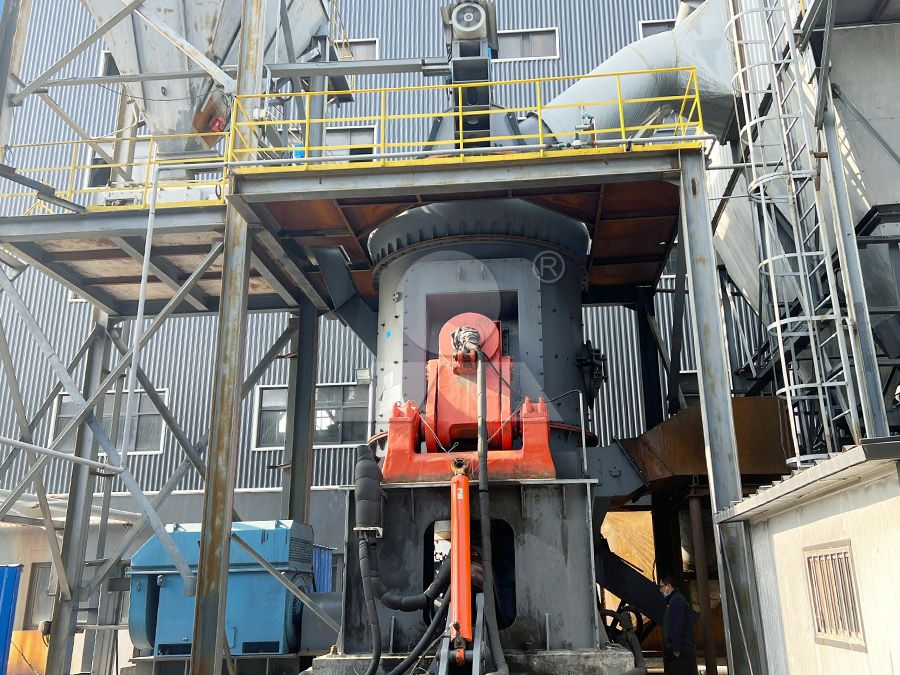
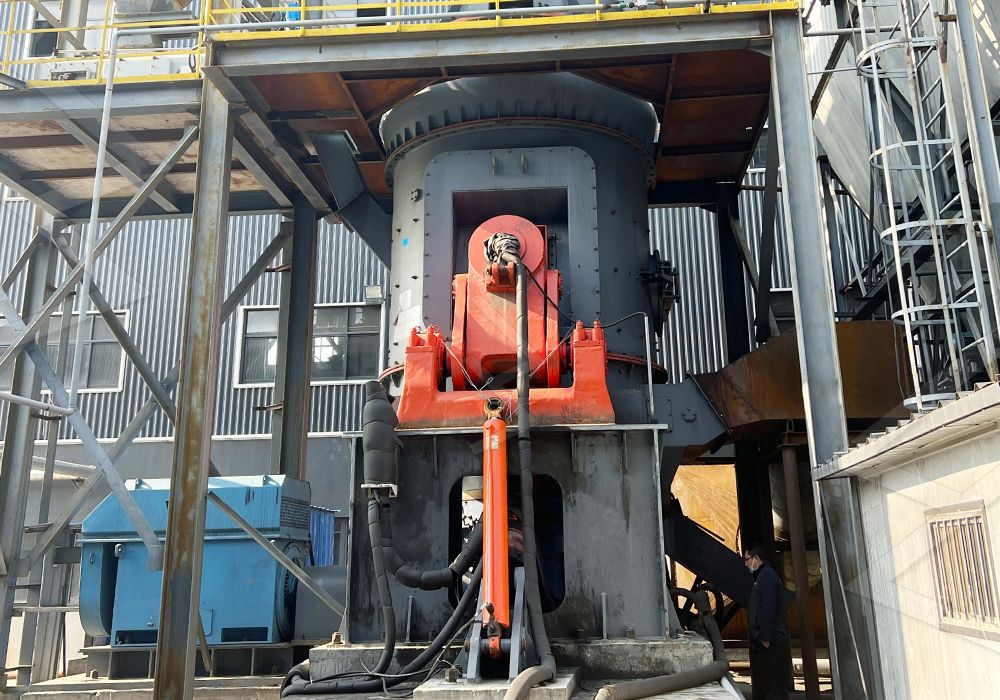
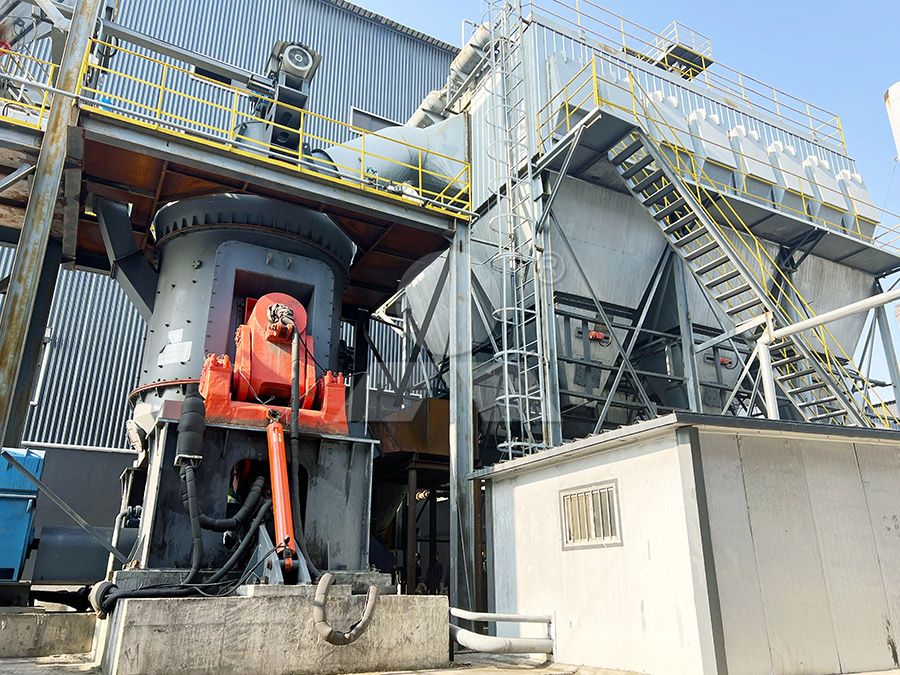
The LM Vertical Slag Mill integrates drying, grinding, powder selection, and conveying into a single, compact unit. With a capacity range of 7-100 T/H, it is perfectly suited for an 80 TPH line. Its unique grinding device and high-performance wear-resistant materials are designed to handle the harsh abrasiveness of slag, significantly reducing operating costs associated with part replacement. Furthermore, its energy consumption is about 30% ~ 40% lower than a traditional ball mill system, a massive saving given the scale of operation.
Supporting Equipment Configuration
A complete production line involves more than just the mill. A typical configuration for an 80 TPH steel slag line would include:
- Jaw Crusher: For primary crushing of larger slag pieces to a manageable size (<50mm).
- Bucket Elevator & Hopper: For vertical transport and storage of crushed material.
- Vibrating Feeder: To ensure a consistent and even feed rate into the mill.
- LM Vertical Slag Mill: The core grinding unit.
- Baghouse Dust Collector/Pulse Collector: Essential for meeting environmental standards and ensuring a clean operation.
- Induced Draft Fan: Creates the necessary air flow for material transport and separation within the system.
- Control System: An automated PLC system for monitoring and controlling the entire process.
Cost Analysis Breakdown
The total investment cost (CAPEX) can be broken down into several key areas:
- Equipment Purchase (~60%): This is the largest chunk, dominated by the cost of the vertical mill itself, the crusher, and the dust collection system.
- Civil Works & Installation (~15%): Costs for foundation construction, structural steel, and professional installation.
- Electrical & Automation (~10%): Wiring, switchgear, and the control system.
- Spare Parts Inventory (~10%): An initial stock of critical wear parts like grinding rollers and liners.
- Miscellaneous & Contingency (~5%): Engineering, commissioning, and unforeseen expenses.
Operational expenditure (OPEX) is where the efficiency of the LM Vertical Slag Mill truly shines. The primary costs are:
- Power Consumption: The mill’s low energy usage is the biggest factor in keeping OPEX low.
- Wear Parts Replacement: The high wear-resistance of the mill’s components extends service life, reducing frequency and cost of changes.
- Labor: The high degree of automation requires minimal human intervention.
- Maintenance: Simple and reliable design, with features like a hydraulic roller turning-out device, keeps maintenance quick and cheap.
Why Choose Our LM Vertical Slag Mill?
For projects of this magnitude, reliability and total cost of ownership are everything. Our LM Vertical Slag Mill is not just another grinder; it’s a solution built for the specific challenges of slag. Its integrated design saves space and reduces initial investment, while its operational efficiencies guarantee lower running costs for years to come. The final product fineness is uniform and highly marketable.
For applications requiring even finer powders or processing of less abrasive materials, we also offer our advanced LUM Ultrafine Vertical Grinding Mill. While its capacity is lower, it excels in producing superfine powders with superior particle size distribution for high-value applications.
Conclusion
Configuring an 80 TPH steel slag production line is a significant undertaking, but with the right equipment, it becomes a highly viable and profitable venture. By selecting a purpose-built mill like our LM Vertical Slag Mill, investors can capitalize on the efficiency, durability, and low operational costs needed to ensure a strong return on investment in the competitive construction materials market.