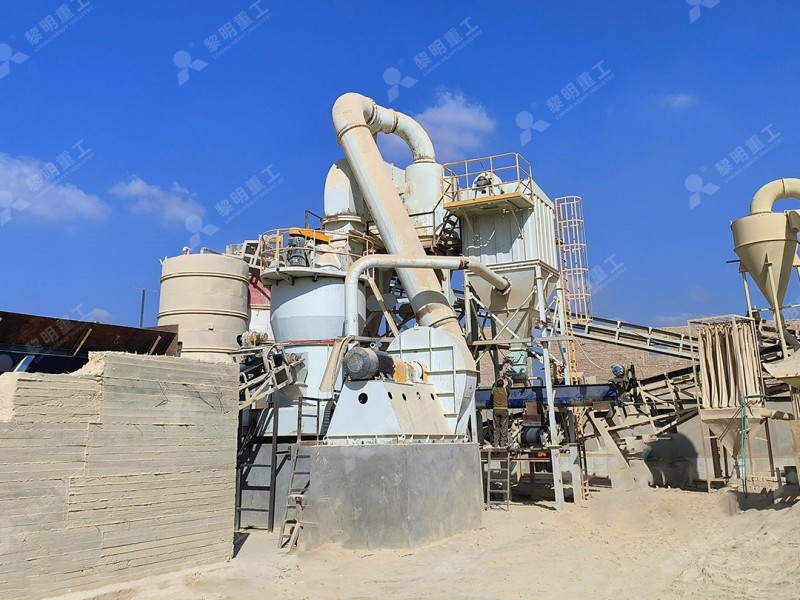
Research on High-Efficiency and Energy-Saving Limestone Powder Production Process
We provide a wide range of mills — including Raymond mill, trapezoidal mill, vertical mill, ultrafine mill, and ball mill, obtained ISO9001 international quality certification, EU CE certification, and Customs Union CU-TR certification. Suitable for processing minerals such as limestone, phosphate, quicklime, kaolin, talc, barite, bentonite, calcium carbonate, dolomite, coal, gypsum, clay, carbon black, slag, cement raw materials, cement clinker, and more.
The discharge range of these mills can be adjusted to meet specific processing needs, typically from 80-400 mesh, 600-3250 mesh, and can achieve the finest particle size of up to 6000 mesh(D50).
If you are looking for a reliable grinding solution to turn stone or minerals into fine powder, please feel free to contact our online customer service.
Research on High-Efficiency and Energy-Saving Limestone Powder Production Process
In the modern industrial landscape, the demand for high-quality limestone powder is ever-increasing, driven by its extensive applications in construction, chemicals, agriculture, and environmental protection. However, traditional grinding methods often fall short in terms of energy efficiency, operational costs, and environmental impact. This research delves into innovative production processes that prioritize both high efficiency and energy conservation, with a particular focus on advanced milling technologies.
Challenges in Traditional Limestone Grinding
Conventional ball mills and Raymond mills, while widely used, are notorious for their high energy consumption, significant noise pollution, and substantial dust emissions. The grinding efficiency of these systems is often compromised by outdated mechanical designs, leading to excessive wear and tear, frequent maintenance downtime, and inconsistent product fineness. Moreover, the inability to precisely control particle size distribution results in wasted energy and suboptimal product quality.
Advancements in Grinding Technology
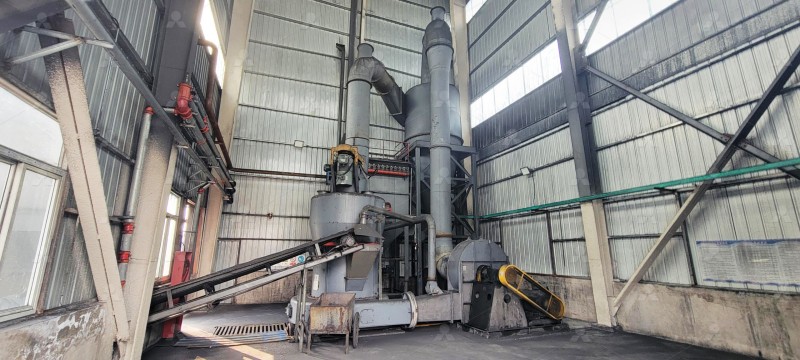
The industry has witnessed a paradigm shift with the introduction of ultrafine grinding mills designed to address these challenges. Among these, the MW Ultrafine Grinding Mill stands out as a revolutionary solution. With an input size capacity of 0-20 mm and a throughput ranging from 0.5 to 25 tph, this mill is engineered for customers requiring ultra-fine powder production. Its integration of an efficient pulse dust collector and muffler significantly reduces dust and noise, ensuring minimal environmental impact.
Key features of the MW Ultrafine Grinding Mill include:
- Higher Yielding, Lower Energy Consumption: Newly designed grinding curves enhance efficiency, offering 40% higher capacity than jet or stirred grinding mills and double the yield of ball mills, while consuming only 30% of the energy of jet mills.
- Adjustable Fineness (325-2500 meshes): A cage-type powder selector with German technology ensures precise separation, allowing customization based on yield, fineness, and sieving rate requirements.
- Eco-Friendly Operation: The absence of rolling bearings and screws in the grinding chamber eliminates concerns about mechanical failures, while external lubrication enables continuous 24/7 operation.
Case Study: Implementing MW Mill in Limestone Processing
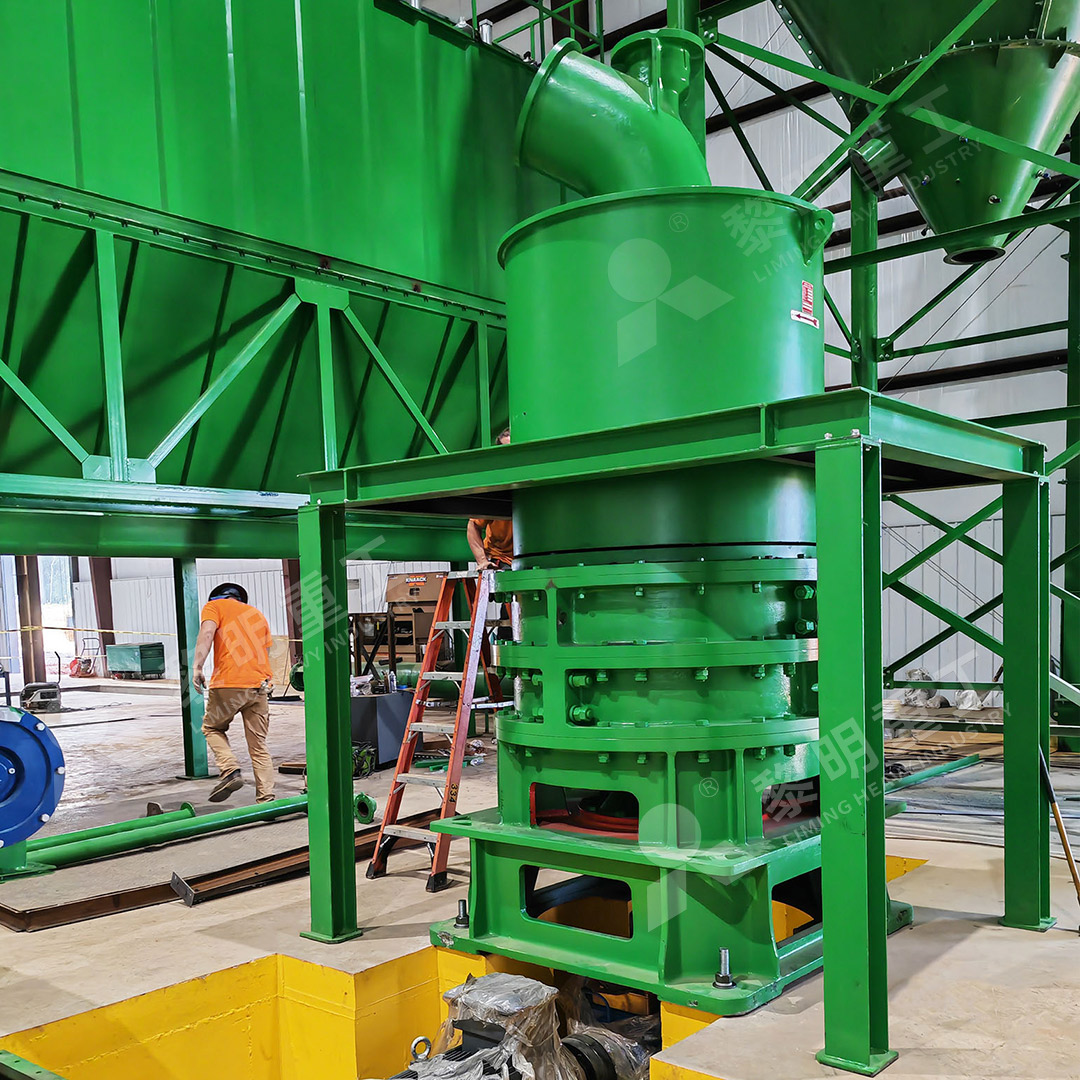
A recent implementation in a Chinese limestone processing plant demonstrated remarkable results. By replacing an outdated ball mill with the MW Ultrafine Grinding Mill, the plant achieved a 45% reduction in energy consumption while increasing production capacity by 50%. The product fineness consistently met d97 ≤ 5μm standards, and the built-in pulse dust collector ensured compliance with stringent environmental regulations.
Another notable solution is the LUM Ultrafine Vertical Grinding Mill, which excels in processing superfine dry powders of non-metal ores like limestone. Its unique roller shell and lining plate grinding curve facilitate efficient material layer formation, enabling high-rate finished product output in a single pass. With features like PLC-controlled multi-head powder separating technology and double position-limiting for stability, the LUM mill reduces energy consumption by 30%-50% compared to conventional mills.
Conclusion
The transition to high-efficiency, energy-saving limestone powder production is not merely a trend but a necessity for sustainable industrial growth. Technologies like the MW Ultrafine Grinding Mill and LUM Ultrafine Vertical Grinding Mill offer compelling advantages, from reduced operational costs and enhanced product quality to minimized environmental footprints. As the industry continues to evolve, adopting these advanced milling solutions will be crucial for companies aiming to maintain competitiveness while adhering to green manufacturing principles.