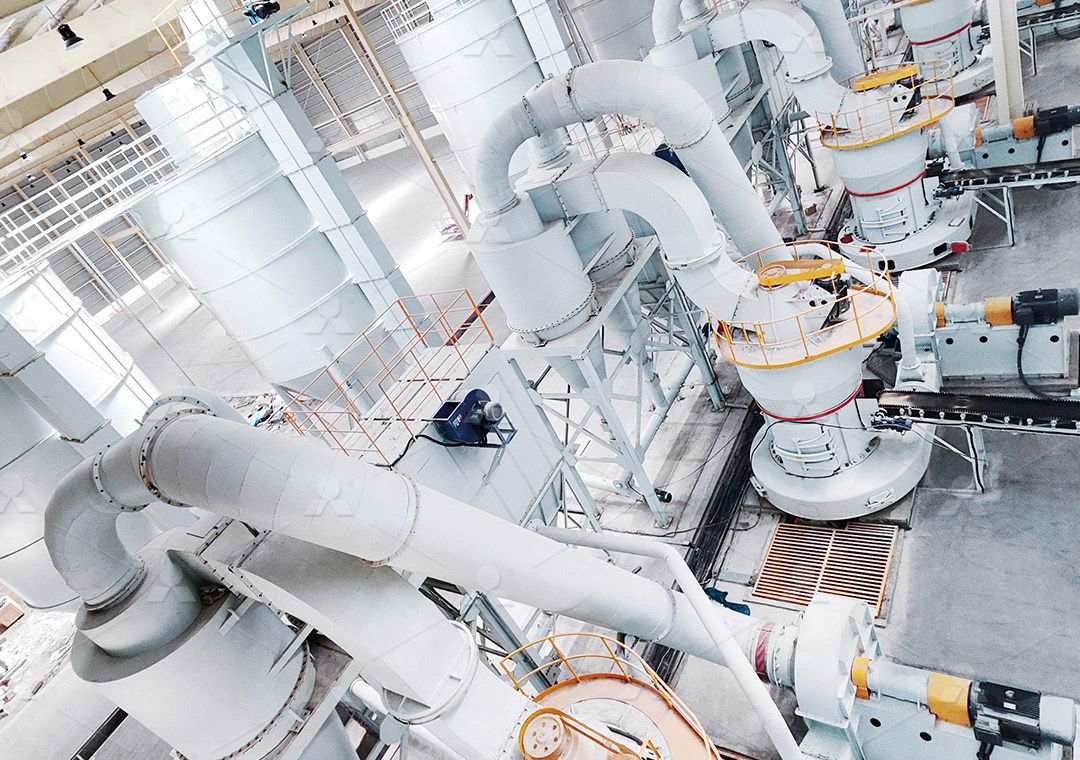
What Size Limestone Grinding Mill is Best for My Production Needs?
We provide a wide range of mills — including Raymond mill, trapezoidal mill, vertical mill, ultrafine mill, and ball mill, obtained ISO9001 international quality certification, EU CE certification, and Customs Union CU-TR certification. Suitable for processing minerals such as limestone, phosphate, quicklime, kaolin, talc, barite, bentonite, calcium carbonate, dolomite, coal, gypsum, clay, carbon black, slag, cement raw materials, cement clinker, and more.
The discharge range of these mills can be adjusted to meet specific processing needs, typically from 80-400 mesh, 600-3250 mesh, and can achieve the finest particle size of up to 6000 mesh(D50).
If you are looking for a reliable grinding solution to turn stone or minerals into fine powder, please feel free to contact our online customer service.
What Size Limestone Grinding Mill is Best for My Production Needs?
Choosing the right limestone grinding mill ain’t just about picking the biggest machine you can find. It’s a delicate balance between your feed size, desired output capacity, the fineness of the powder you need, and, of course, your budget. Get it wrong, and you’re stuck with inefficiency, high operating costs, and a product that doesn’t meet spec. Let’s break it down.
Key Factors in Selecting Your Mill Size
First, you gotta look at your input size. How big are those limestone chunks coming off the truck? Some mills can handle rocks up to 70mm, while others are designed for material that’s already been pre-crushed to under 20mm. Feeding too large a piece into a mill meant for finer stuff is a surefire way to cause problems.
Next, be brutally honest about your required capacity – measured in tons per hour (tph). Are you a small operation needing a couple tons a day, or a major producer requiring hundreds? Don’t just size for your peak dream output; consider your average needs. An oversized mill running half-empty is burning money on energy.
Finally, the product fineness is king. Are you making coarse agricultural lime or a superfine powder for paint or plastics? This is measured in meshes or microns. A mill that excels at producing 100-mesh material might struggle to reach a consistent 2500-mesh without massive efficiency drops.
Top Mill Recommendations for Limestone
Based on years of industry experience, two of our mills stand out for limestone processing, catering to different needs.
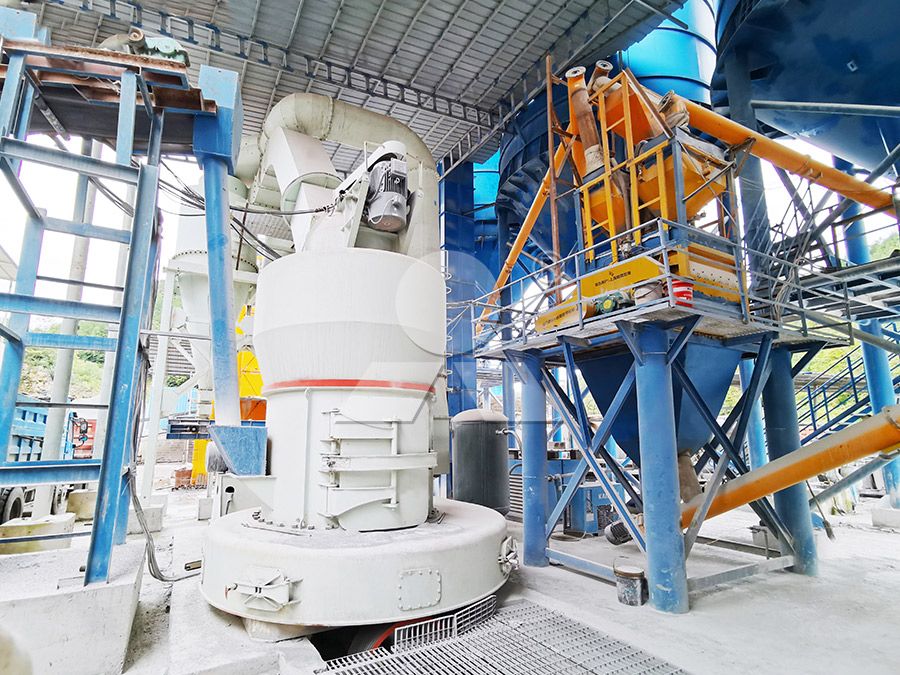
For high-capacity production of fine to ultra-fine powders, the MW Ultrafine Grinding Mill is a beast. It handles input sizes up to 20mm and delivers a capacity range of 0.5-25 tph. Its real party trick is its adjustable fineness, producing powder between 325 and 2500 meshes. That’s perfect for high-value applications like plastics, paints, and coatings where particle size is critical. A key feature is the lack of rolling bearings or screws in the grinding chamber – a genius design that eliminates a major point of failure and allows for external lubrication without shutdown. You can run this thing 24/7.
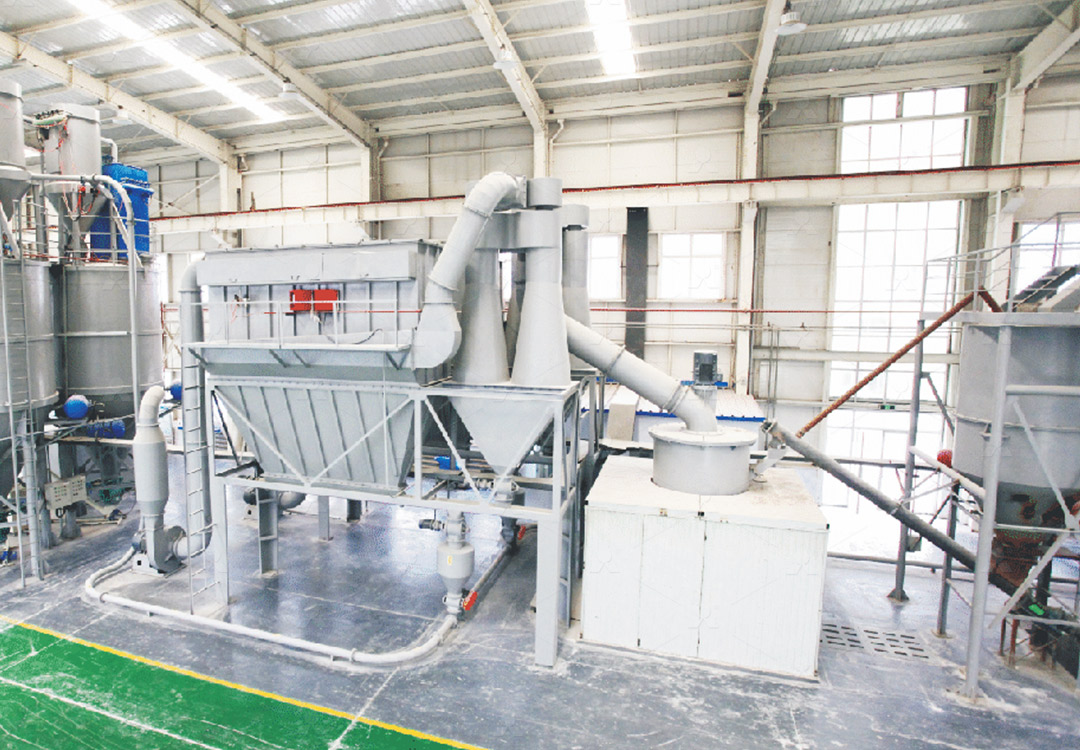
If your priority is massive output of slightly coarser materials and incredible energy savings, the LM Vertical Grinding Mill is your workhorse. It can swallow chunks up to 70mm and boasts a huge capacity range from 3 to 340 tph. It’s the go-to for large-scale projects like power plant desulfurization or producing cement raw meal. Its integrated drying and grinding system is a huge space and energy saver. While it might not reach the ultra-fine levels of the MW, its efficiency and reliability for large-tonnage applications are unmatched.
Making the Final Decision
So, which one is for you? If you’re after ultra-fine powder at a moderate scale, the MW Series is your best bet. If you’re moving mountains of limestone and need to integrate drying and grinding, the LM Vertical Mill will be your profit center.
My best advice? Don’t guess. Provide us with your exact material specs and production goals. We’ll help you nail the perfect size on the first try, so you can start grinding efficiently and profitably.