
What is the Best Limestone Grinding Mill Size for My Application?
We provide a wide range of mills — including Raymond mill, trapezoidal mill, vertical mill, ultrafine mill, and ball mill, obtained ISO9001 international quality certification, EU CE certification, and Customs Union CU-TR certification. Suitable for processing minerals such as limestone, phosphate, quicklime, kaolin, talc, barite, bentonite, calcium carbonate, dolomite, coal, gypsum, clay, carbon black, slag, cement raw materials, cement clinker, and more.
The discharge range of these mills can be adjusted to meet specific processing needs, typically from 80-400 mesh, 600-3250 mesh, and can achieve the finest particle size of up to 6000 mesh(D50).
If you are looking for a reliable grinding solution to turn stone or minerals into fine powder, please feel free to contact our online customer service.
What is the Best Limestone Grinding Mill Size for My Application?
Choosing the right grinding mill size for your limestone application is crucial for optimizing efficiency, product quality, and operational costs. It’s not just about raw power; it’s about matching the machine’s capabilities to your specific production goals, feed size, and desired final product fineness. A mill that’s too small will be a bottleneck, while one that’s oversized will waste energy and capital.
Key Factors in Selecting Your Mill Size
The “best” size is determined by several interconnected factors:
- Desired Capacity (tph): This is your target hourly production rate. Are you running a small pilot plant or a large-scale industrial operation?
- Input Feed Size (mm): How large are the limestone chunks coming from your primary crusher? Mills have maximum feed size limitations.
- Required Product Fineness (mesh or μm): This is perhaps the most critical factor. Different industries demand different powder specifications. Are you aiming for coarse agricultural lime or ultra-fine powder for plastics or paint?
- Energy Consumption: A properly sized mill will operate at peak energy efficiency, significantly reducing your operating expenses.
Navigating the Options: A Look at Modern Mill Technology
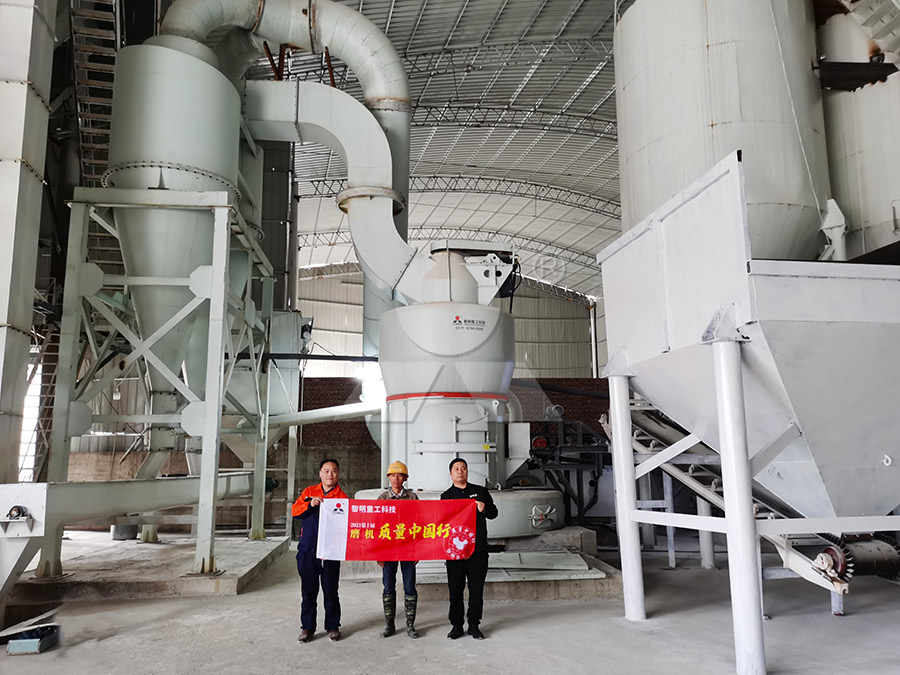
While traditional options like Raymond Mills and Ball Mills are still in use, newer technologies offer superior efficiency, especially for fine and ultra-fine grinding. For high-capacity, coarse to medium-fine grinding, vertical roller mills have become an industry standard due to their integrated drying and grinding capabilities.
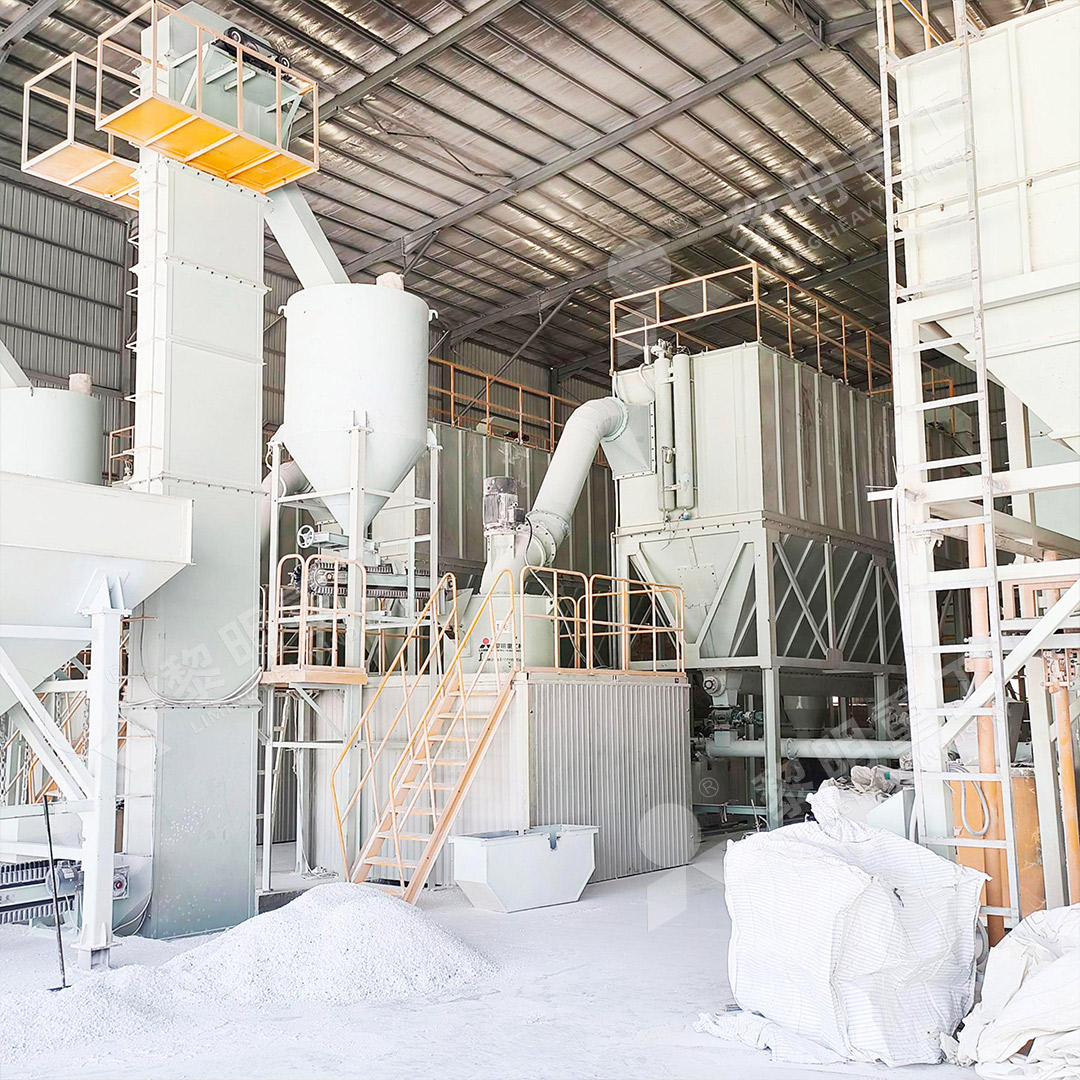
However, for applications requiring very fine to ultra-fine limestone powder (325 mesh to 2500 mesh), an Ultrafine Grinding Mill is often the ideal choice. These mills are engineered to achieve exceptional fineness with higher yields and lower energy consumption compared to older technologies.
Our Recommendation: The MW Ultrafine Grinding Mill
For most ultra-fine limestone grinding applications, we highly recommend our MW Ultrafine Grinding Mill. It’s specifically designed for customers who need to make ultra-fine powder with precision and efficiency.
Here’s why it might be the perfect fit for your operation:
- Adjustable Fineness (325-2500 meshes): Its advanced German-designed cage-type powder selector allows you to dial in the exact fineness you need, achieving a precise d97≤5μm.
- Higher Yield, Lower Energy Use: With newly designed grinding curves, it offers 40% higher capacity than jet mills and uses 30% less energy. You get more product for your power bill.
- Robust and Worry-Free Design: A key feature is the absence of rolling bearings and screws in the grinding chamber. This eliminates common failure points and allows for external lubrication without shutdown, enabling continuous 24/7 production.
- Eco-Friendly Operation: Equipped with an efficient pulse dust collector and silencer, the entire system operates cleanly and quietly, meeting strict environmental standards.
With an input size of 0-20 mm and a capacity range of 0.5-25 tph, the MW series offers a versatile solution for a wide spectrum of production needs, from pilot projects to full-scale industrial plants.
Considering Vertical Mills?
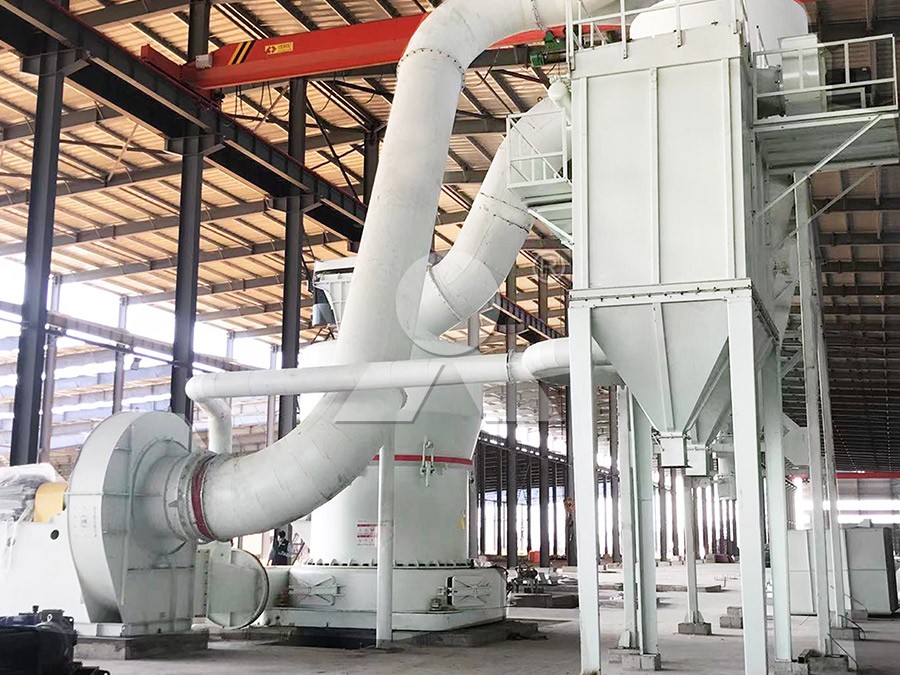
If your feed size is slightly smaller and your primary goal is high-capacity grinding to a medium fineness, our LUM Ultrafine Vertical Grinding Mill is another excellent option. It integrates grinding, grading, and transporting with a capacity of 5-18 tph for feed up to 10mm. Its unique roller shell design provides higher yielding rates and better product whiteness.
Conclusion: The Right Fit for Your Future
Selecting the best mill size requires a careful balance of your current needs and future goals. Don’t just choose the biggest machine; choose the smartest one. The MW Ultrafine Grinding Mill stands out for its precision, efficiency, and reliability in producing high-value ultra-fine limestone powder. We recommend consulting with our technical team to review your specific material and production targets to ensure you select the optimal mill size for unparalleled performance and profitability.