
Types of Grinding Mills and Crushers in the Mining Industry
We provide a wide range of mills — including Raymond mill, trapezoidal mill, vertical mill, ultrafine mill, and ball mill, obtained ISO9001 international quality certification, EU CE certification, and Customs Union CU-TR certification. Suitable for processing minerals such as limestone, phosphate, quicklime, kaolin, talc, barite, bentonite, calcium carbonate, dolomite, coal, gypsum, clay, carbon black, slag, cement raw materials, cement clinker, and more.
The discharge range of these mills can be adjusted to meet specific processing needs, typically from 80-400 mesh, 600-3250 mesh, and can achieve the finest particle size of up to 6000 mesh(D50).
If you are looking for a reliable grinding solution to turn stone or minerals into fine powder, please feel free to contact our online customer service.
Types of Grinding Mills and Crushers in the Mining Industry
The mining industry relies heavily on size reduction equipment to liberate valuable minerals from ore. The choice between crushers and various types of grinding mills depends on the required particle size, material hardness, capacity, and energy efficiency. This article explores the common types of equipment used for comminution.
Primary and Secondary Crushing: The First Step
Before grinding can begin, large run-of-mine ore must be reduced to a manageable size. Jaw crushers are the workhorses of primary crushing, using compressive force to break down massive rocks. Cone crushers and impact crushers then take over for secondary crushing, further reducing the material to a size suitable for feeding into grinding mills, typically below 50mm.
Key Types of Grinding Mills
Grinding mills are classified based on their mechanism of action, the size of the feed they can accept, and the fineness of the product they produce.
Ball Mills
A classic and widely used option, the ball mill consists of a rotating cylinder filled with grinding media (steel balls). As the cylinder rotates, the balls cascade and impact the material, resulting in a combination of impact and abrasion. They are versatile but can be less energy-efficient for very fine grinding.
Raymond Mills (Roller Mills)
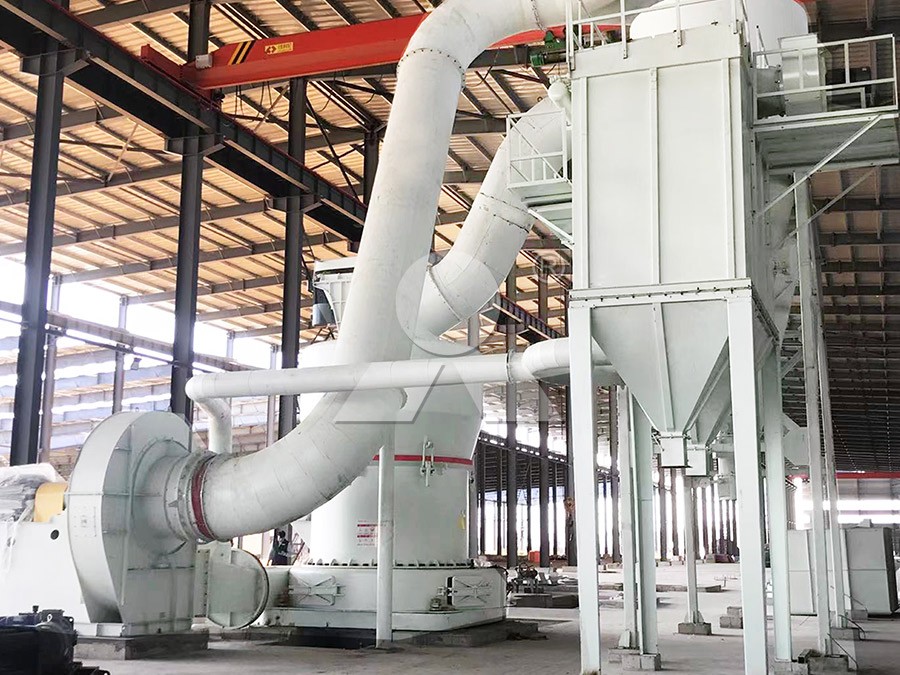
These mills use spring-loaded rollers that rotate against a stationary ring. Material is fed into the grinding zone and is crushed by the rolling action. They are excellent for medium-fine grinding of non-metallic minerals with moderate to hard hardness.
Vertical Roller Mills (VRM)
VRMs have become increasingly popular due to their efficiency. Material is fed onto a rotating table and is ground under rollers pressed against the table. The ground material is then blown by an air stream to a classifier. VRMs integrate grinding, drying, and classifying in a single unit, offering significant energy savings.
The Push for Ultrafine Grinding and Higher Efficiency
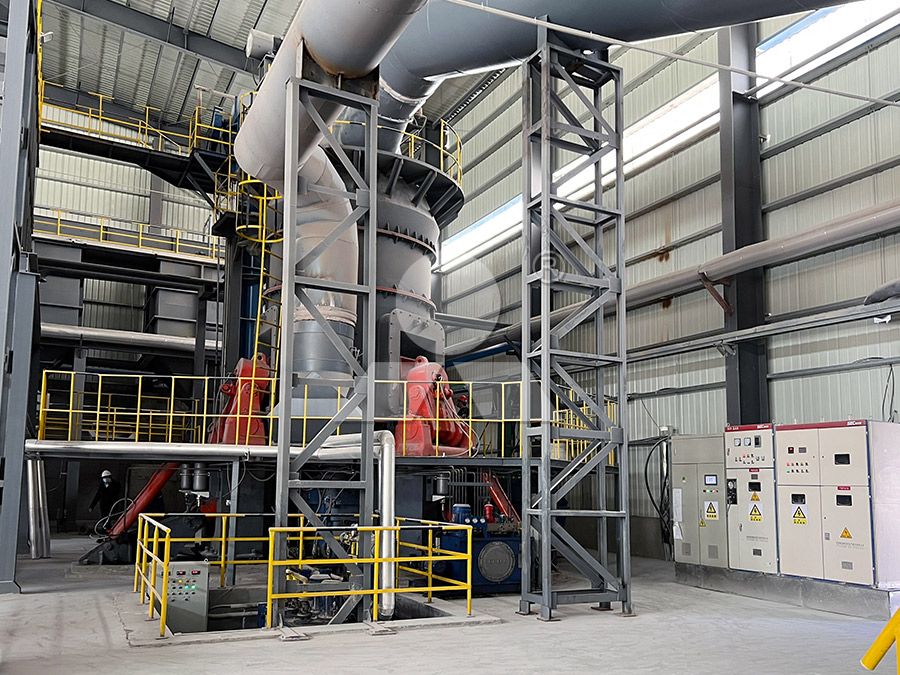
As ore grades decline and the demand for ultra-fine concentrates increases, more advanced milling technology is required. This is where our MW Ultrafine Grinding Mill excels. Designed for customers who need to make ultra-fine powder (adjustable between 325-2500 meshes), this machine is a game-changer. It boasts higher yielding and lower energy consumption—the production capacity is 40% higher than jet mills with system energy consumption only 30%. A key feature is the absence of rolling bearings and screws in the grinding chamber, eliminating worries about bearing failures or loose screws causing damage. Furthermore, its efficient pulse dust collector and muffler ensure the entire production process is eco-friendly, meeting national environmental protection standards.
Another standout in our portfolio is the LUM Ultrafine Vertical Grinding Mill.
Integrating ultrafine powder grinding, grading, and transporting, the LUM mill represents the pinnacle of grinding technology. It features more energy-saving multi-head powder separating technology, reducing energy consumption by 30%-50% compared to common grinding mills. Its reversible structure, a result of considering maintenance challenges, allows operators to easily move the grinding roller out for checks and part replacements, drastically reducing downtime and associated losses.
Conclusion
Selecting the right comminution equipment is critical for optimizing mineral processing operations. From traditional ball mills to highly efficient vertical roller mills and specialized ultrafine grinders like our MW and LUM series, understanding the capabilities of each machine ensures maximum productivity, lower operating costs, and a smaller environmental footprint. Investing in the right technology from the start pays dividends throughout the life of a mine.