
Competitive Analysis of the Mica Powder Industry: Market Leaders & Key Players
We provide a wide range of mills — including Raymond mill, trapezoidal mill, vertical mill, ultrafine mill, and ball mill, obtained ISO9001 international quality certification, EU CE certification, and Customs Union CU-TR certification. Suitable for processing minerals such as limestone, phosphate, quicklime, kaolin, talc, barite, bentonite, calcium carbonate, dolomite, coal, gypsum, clay, carbon black, slag, cement raw materials, cement clinker, and more.
The discharge range of these mills can be adjusted to meet specific processing needs, typically from 80-400 mesh, 600-3250 mesh, and can achieve the finest particle size of up to 6000 mesh(D50).
If you are looking for a reliable grinding solution to turn stone or minerals into fine powder, please feel free to contact our online customer service.
Competitive Analysis of the Mica Powder Industry: Market Leaders & Key Players
The global mica powder market is experiencing robust growth, driven by increasing demand from the cosmetics, paint, and construction industries. As a key component in products requiring shimmer, insulation, or reinforcement, mica powder’s versatility makes it a highly sought-after material. This analysis delves into the competitive landscape, highlighting major players and technological advancements shaping the industry.
Market Overview and Key Drivers
Mica powder is primarily used as a filler, extender, and pigment in various applications. The cosmetics industry, in particular, leverages its light-reflecting properties in makeup products, while the construction sector values it for its durability in coatings and plastics. With Asia-Pacific dominating production—thanks to abundant natural reserves in countries like India and China—the market is characterized by intense competition and innovation in processing technologies.
Leading Players and Competitive Strategies
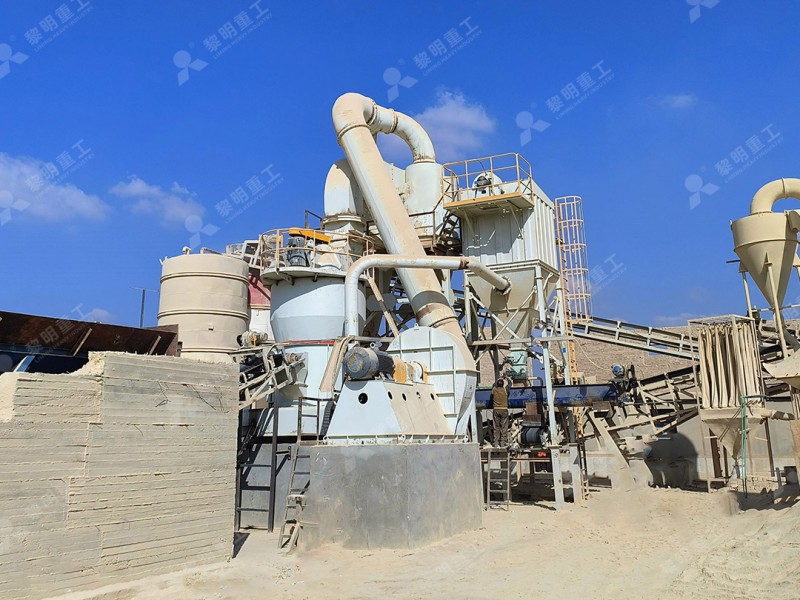
Major companies such as Imerys S.A., BASF SE, and The Earth Pigments Company hold significant market share. These players focus on expanding their product portfolios through R&D investments and strategic acquisitions. For instance, Imerys has enhanced its milling capabilities to produce ultra-fine grades tailored for high-end cosmetics, while BASF leverages its chemical expertise to develop surface-treated mica for improved dispersion.
Regional players, particularly in India and China, compete on cost-efficiency, offering standard-grade mica at competitive prices. However, they face challenges in meeting stringent environmental regulations, pushing them to adopt greener technologies.
Technological Innovations in Grinding Mills
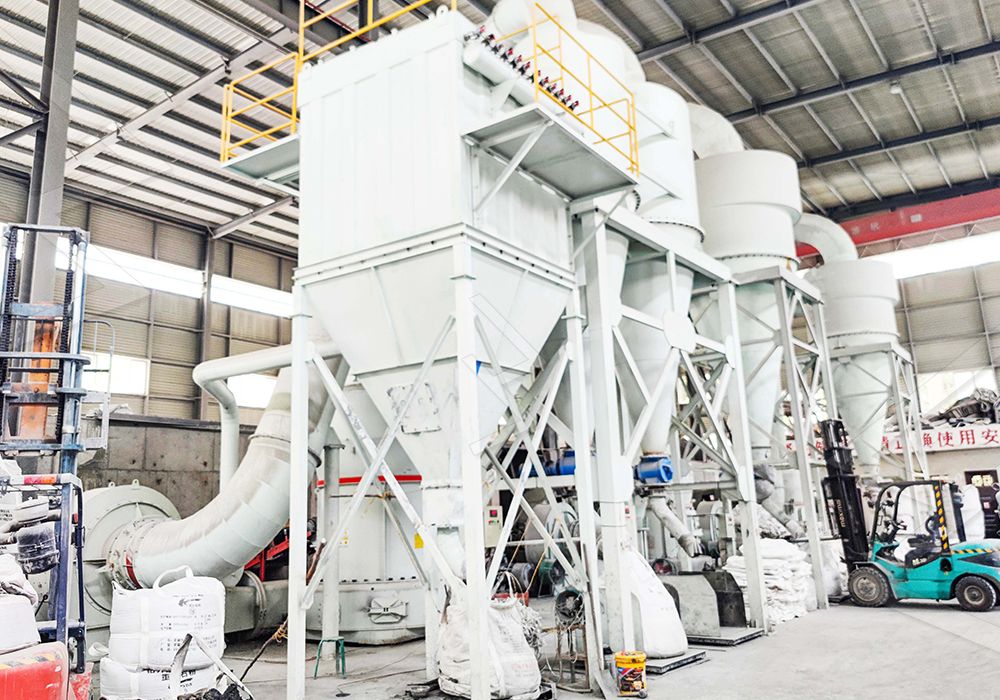
Advanced grinding mills are critical to achieving the fine particle sizes (often below 10μm) required for premium applications. Key innovations include energy-efficient designs, precise particle size control, and eco-friendly operations. Among these, MW Ultrafine Grinding Mill stands out for its exceptional performance. With an input size of 0-20 mm and capacity of 0.5-25 tph, it produces powders between 325-2500 meshes while reducing energy consumption by 30% compared to jet mills. Its dust-free and noise-reduced operation aligns with global sustainability trends, making it ideal for processing mica, limestone, and talc.
Future Outlook and Recommendations
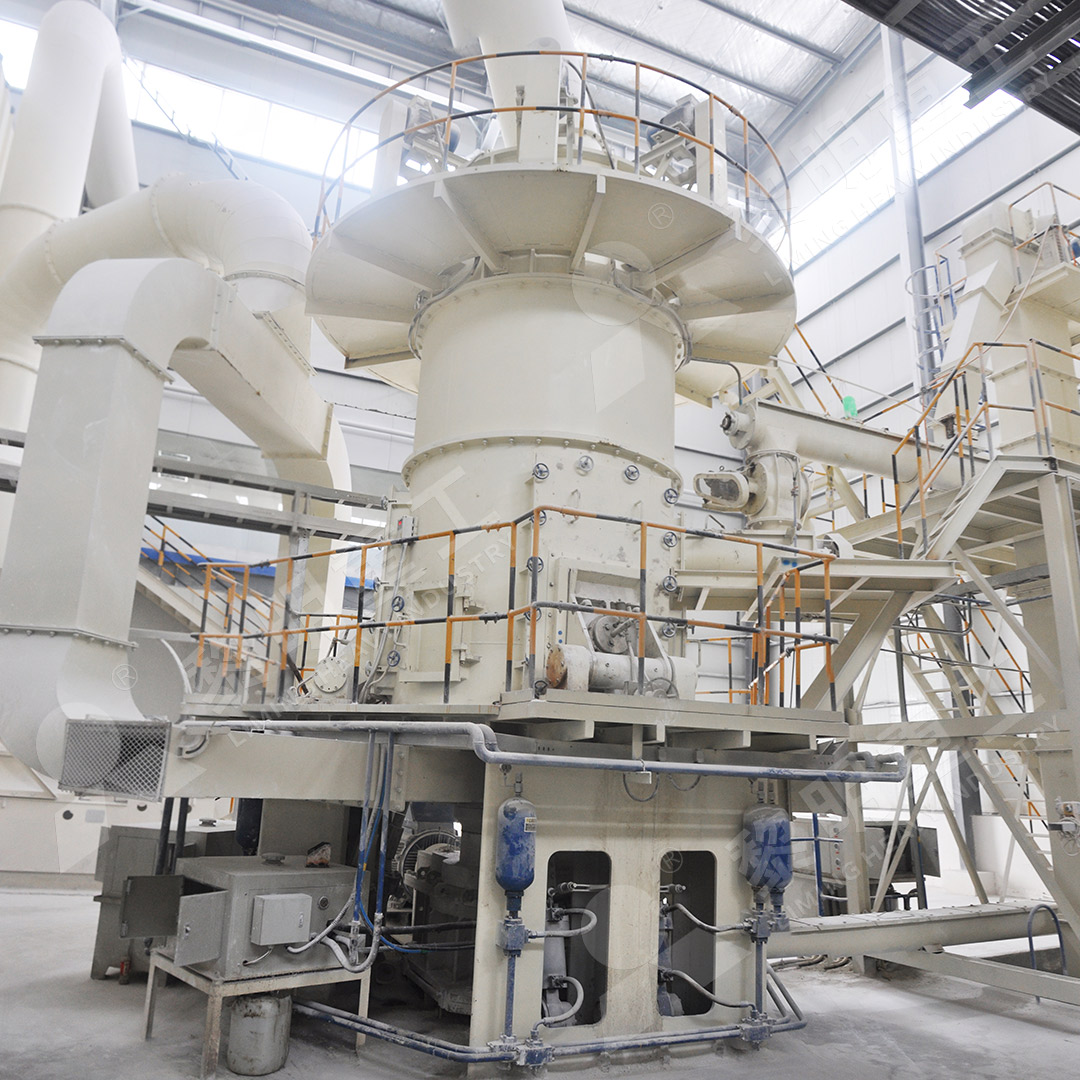
The mica powder market is poised for further growth, with innovations in nano-sized particles and sustainable processing leading the way. Companies should invest in technologies that offer higher yield, lower operational costs, and minimal environmental impact. For those seeking a competitive edge, LUM Ultrafine Vertical Grinding Mill is another excellent option. It handles inputs up to 10 mm with a capacity of 5-18 tph, featuring multi-head powder separating technology for precise fineness control and 30-50% energy savings. Its reversible structure simplifies maintenance, reducing downtime—a crucial factor for high-volume producers.
In conclusion, while established players dominate the mica powder industry, technological adoption remains a key differentiator. Investing in advanced grinding solutions like MW and LUM mills can enhance product quality and operational efficiency, positioning companies for success in this dynamic market.