
How to Adjust Particle Size in Gypsum Powder Production
We provide a wide range of mills — including Raymond mill, trapezoidal mill, vertical mill, ultrafine mill, and ball mill, obtained ISO9001 international quality certification, EU CE certification, and Customs Union CU-TR certification. Suitable for processing minerals such as limestone, phosphate, quicklime, kaolin, talc, barite, bentonite, calcium carbonate, dolomite, coal, gypsum, clay, carbon black, slag, cement raw materials, cement clinker, and more.
The discharge range of these mills can be adjusted to meet specific processing needs, typically from 80-400 mesh, 600-3250 mesh, and can achieve the finest particle size of up to 6000 mesh(D50).
If you are looking for a reliable grinding solution to turn stone or minerals into fine powder, please feel free to contact our online customer service.
How to Adjust Particle Size in Gypsum Powder Production
Gypsum powder is a fundamental material in construction, agriculture, and various industrial applications. One of the most critical quality parameters is its particle size distribution. Achieving the desired fineness not only affects the product’s performance, such as setting time and strength in plaster but also its marketability. For producers, mastering particle size adjustment is key to operational flexibility and meeting diverse customer specifications.
Key Factors Influencing Gypsum Particle Size
Several variables within the milling process directly impact the final product’s granulometry. Understanding and controlling these factors is the first step toward precise size adjustment.
- Grinding Mill Type and Settings: The choice of mill is paramount. Different mills—like ball mills, Raymond mills, or more advanced ultrafine grinding mills—have inherent capabilities regarding fineness range and efficiency. Within a specific mill, the gap between grinding rollers and the ring, the speed of the classifier, and the grinding pressure are primary adjustable parameters.
- Classifier Speed: This is often the most direct and effective control. The integrated powder separator or classifier acts as a gatekeeper. Increasing its rotational speed allows only the finest particles to pass through and be collected, resulting in a finer product. Conversely, reducing the speed permits coarser particles to exit the milling chamber.
- Feed Rate and Material Characteristics: The rate at which raw gypsum (< 20mm) is fed into the mill must be stable and consistent. A overloaded mill will result in coarser, uneven grinding. The moisture content and hardness of the initial gypsum rock also play a role; drier, more brittle material typically grinds finer more easily.
- Airflow Volume: In many modern mills, airflow is used to transport and classify the powder. The volume and pressure of this air influence how long particles remain in the grinding zone and how effectively they are separated. Optimizing airflow is crucial for achieving a tight particle size distribution.
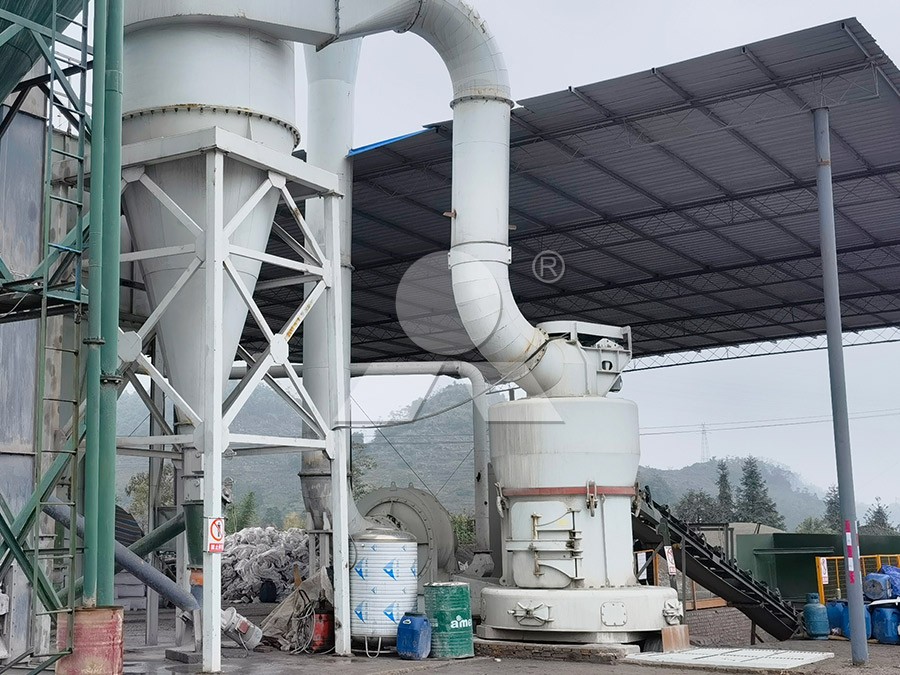
Recommended Solution: MW Ultrafine Grinding Mill
For operations requiring precise control over a wide range of fineness, especially in the ultra-fine spectrum, a specialized mill is necessary. Our MW Ultrafine Grinding Mill is engineered specifically for this purpose. It is an ideal piece of equipment for customers who need to make ultra-fine powder from materials like gypsum.
A standout feature for particle size control is its cage-type powder selector, which adopts German technologies. This design effectively increases the precision of powder separation. Furthermore, a multi-head cage-type powder selector can be configured based on your specific requirements for yield, fineness, and sieving rate. This allows the product fineness to be seamlessly adjusted between 325 and 2500 meshes, with the ability to achieve a precise d97 ≤5μm in a single pass.
Beyond precision, the MW Mill offers significant operational advantages. Its innovative design has no rolling bearings or screws in the grinding chamber, eliminating common failure points and concerns about loose parts causing damage. This translates to higher reliability and less unplanned downtime. Additionally, it is equipped with an efficient pulse dust collector and muffler, ensuring the entire production process is eco-friendly with reduced dust and noise.
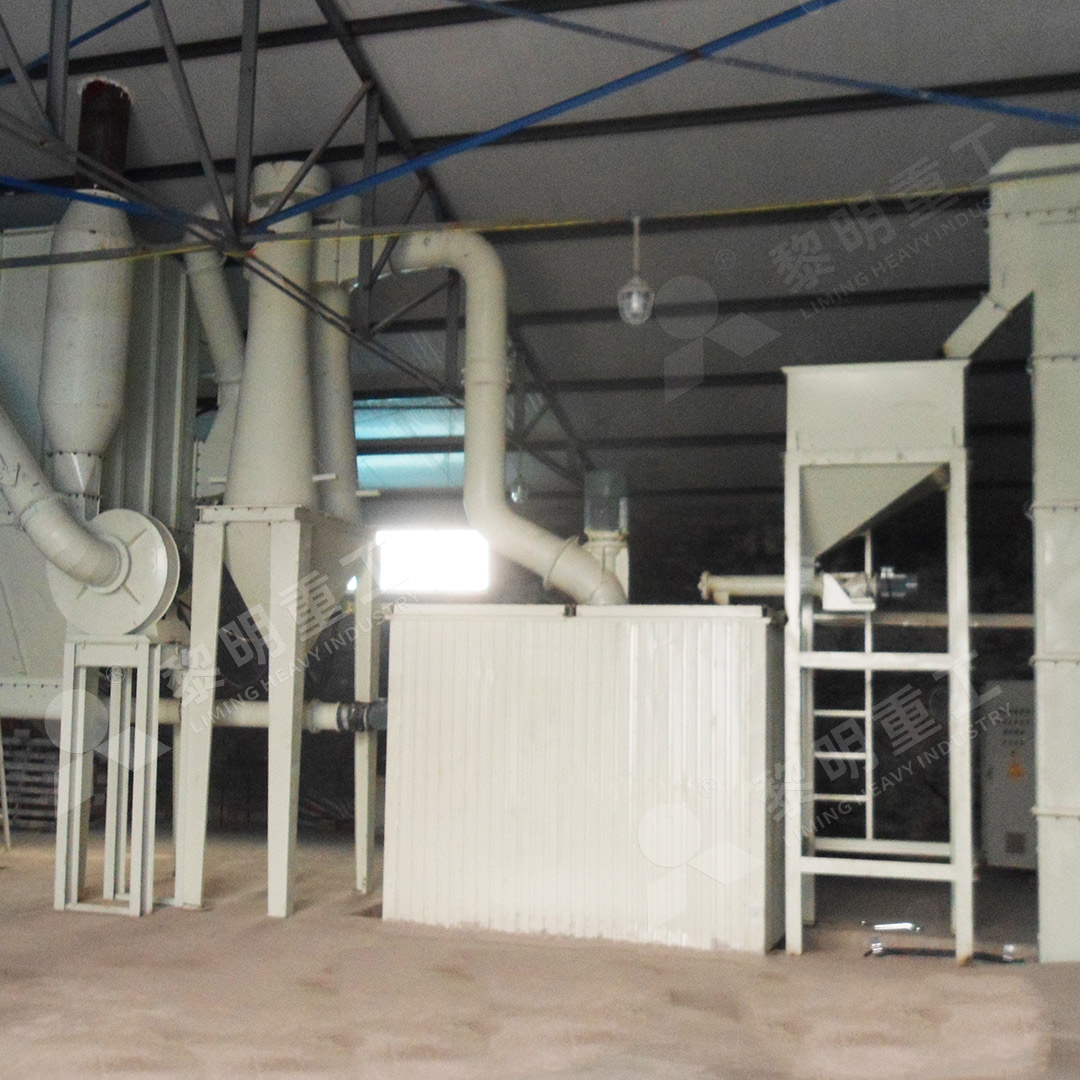
Operational Tips for Consistent Quality
Adjusting size isn’t just about turning a dial; it’s about a holistic approach to process stability.
- Monitor Consistently: Regularly sample and test the product fineness using laser particle analyzers or sieve analysis. This data is essential for making informed adjustments.
- Adjust Gradually: When changing classifier speed or feed rate, make small, incremental adjustments and allow the system to stabilize before assessing the results. Sudden, large changes can destabilize the entire grinding process.
- Prioritize Preventative Maintenance: Wear on grinding rollers and rings will gradually reduce milling efficiency and alter the particle size distribution. A regular maintenance schedule for these vulnerable parts is non-negotiable for consistent product quality.
Conclusion
Mastering particle size adjustment in gypsum powder production is a blend of selecting the right technology and implementing precise process controls. By investing in advanced milling equipment like the MW Ultrafine Grinding Mill and understanding the interplay between classifier speed, feed rate, and airflow, producers can effortlessly switch between different product grades to meet market demands, enhance product value, and maintain a competitive edge. Remember, consistency is key, and that is achieved through vigilant monitoring and stable operation.