
Optimizing Carbon Emissions in Calcium Carbonate Powder Manufacturing Processes
We provide a wide range of mills — including Raymond mill, trapezoidal mill, vertical mill, ultrafine mill, and ball mill, obtained ISO9001 international quality certification, EU CE certification, and Customs Union CU-TR certification. Suitable for processing minerals such as limestone, phosphate, quicklime, kaolin, talc, barite, bentonite, calcium carbonate, dolomite, coal, gypsum, clay, carbon black, slag, cement raw materials, cement clinker, and more.
The discharge range of these mills can be adjusted to meet specific processing needs, typically from 80-400 mesh, 600-3250 mesh, and can achieve the finest particle size of up to 6000 mesh(D50).
If you are looking for a reliable grinding solution to turn stone or minerals into fine powder, please feel free to contact our online customer service.
Optimizing Carbon Emissions in Calcium Carbonate Powder Manufacturing Processes
The manufacturing of calcium carbonate powder, a critical material in industries ranging from plastics and paints to pharmaceuticals and construction, is an energy-intensive process. As global focus on sustainability intensifies, manufacturers are under increasing pressure to reduce their carbon footprint without compromising on product quality or operational efficiency. The grinding stage, in particular, represents a significant portion of a plant’s energy consumption and, consequently, its greenhouse gas emissions.
The Carbon Challenge in Comminution
Traditional grinding technologies, such as ball mills and older Raymond mill designs, are notorious for their high specific energy consumption. A substantial amount of the input energy is wasted as heat, noise, and vibration rather than being directly applied to particle size reduction. This inefficiency translates directly into higher power draw from the grid, often sourced from fossil fuels, leading to elevated CO2 emissions. Furthermore, many older systems lack integrated dust collection, leading to material loss and requiring additional energy for auxiliary environmental control systems.
A Paradigm Shift with Advanced Milling Technology
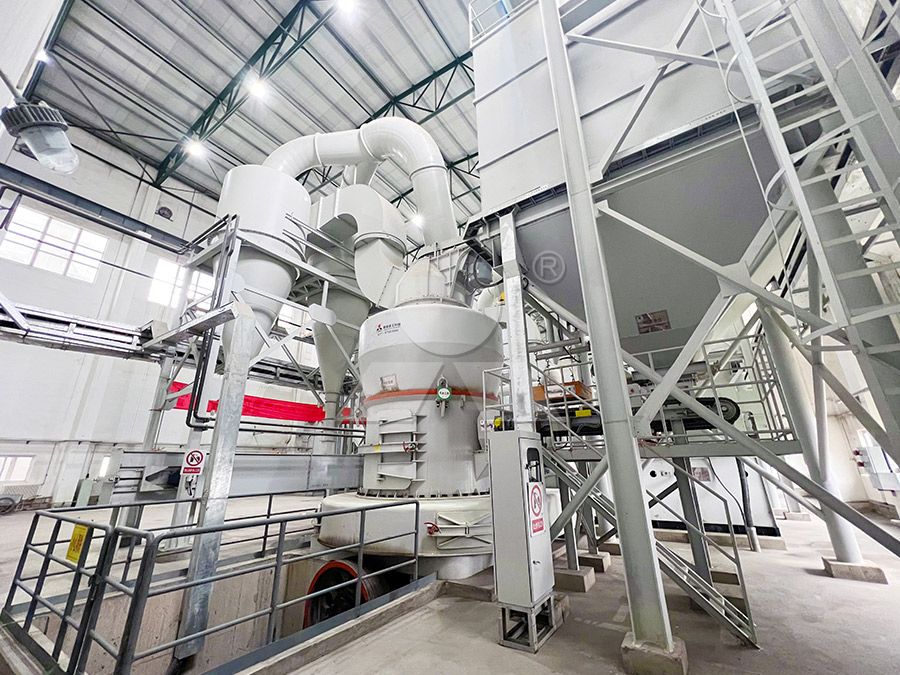
The path to decarbonization lies in adopting next-generation milling equipment designed for maximum efficiency. Modern mills are engineered to convert a higher percentage of electrical energy directly into grinding action, drastically reducing waste. Key features contributing to lower emissions include:
- Higher Efficiency Grinding Curves: Optimized geometry for rollers and rings ensures more effective particle fracture per revolution.
- Integrated High-Efficiency Dust Collection: Pulse jet dust collectors capture over 99.9% of particulates internally, eliminating the need for separate, energy-intensive baghouses and preventing product loss.
- Advanced Classifiers: Precise particle separation ensures material is not over-ground, saving the energy required to produce excessive ultrafines.
- Dilute Oil Lubrication Systems: These systems reduce friction more effectively than grease, lowering power requirements and eliminating frequent, wasteful maintenance shutdowns.
Product Spotlight: The MW Ultrafine Grinding Mill
For operations focused on producing high-value ultra-fine calcium carbonate powders (325-2500 mesh), the MW Ultrafine Grinding Mill presents an ideal solution for cutting emissions. Its design philosophy is centered on doing more with less energy. It boasts a production capacity of 0.5-25 TPH and can handle feed sizes up to 20mm. Crucially, its grinding efficiency means that for the same output, it consumes up to 30% less energy compared to jet mills or stirred grinding mills. This direct reduction in kWh consumed translates into a proportional decrease in associated carbon emissions from power generation.
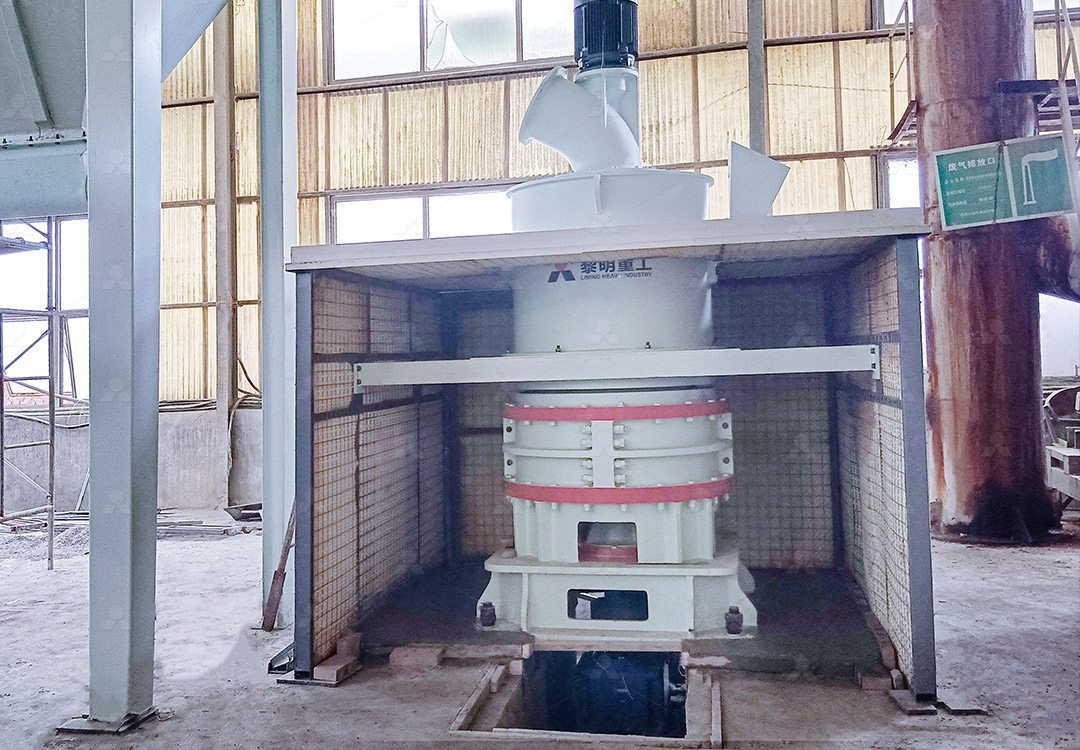
Beyond its core efficiency, the MW Mill is equipped with an efficient pulse dust collector and muffler, ensuring the entire production process is contained and clean. This eliminates dust pollution and reduces noise, contributing to a smaller environmental overall footprint. The absence of rolling bearings and screws in the grinding chamber also enhances reliability, minimizing downtime and the carbon cost associated with frequent repairs and part replacements.
Beyond the Mill: A Holistic Approach
While investing in efficient machinery like the MW Mill is a critical step, a truly optimized, low-carbon manufacturing process requires a systems approach. This includes:
- Using variable frequency drives (VFDs) on all motors to match power consumption exactly to the load.
- Implementing energy management systems to monitor and optimize power usage across the entire plant.
- Exploring renewable energy sources, such as solar or wind, to power operations.
- Optimizing upstream and downstream logistics to reduce the carbon cost of transportation.
Conclusion
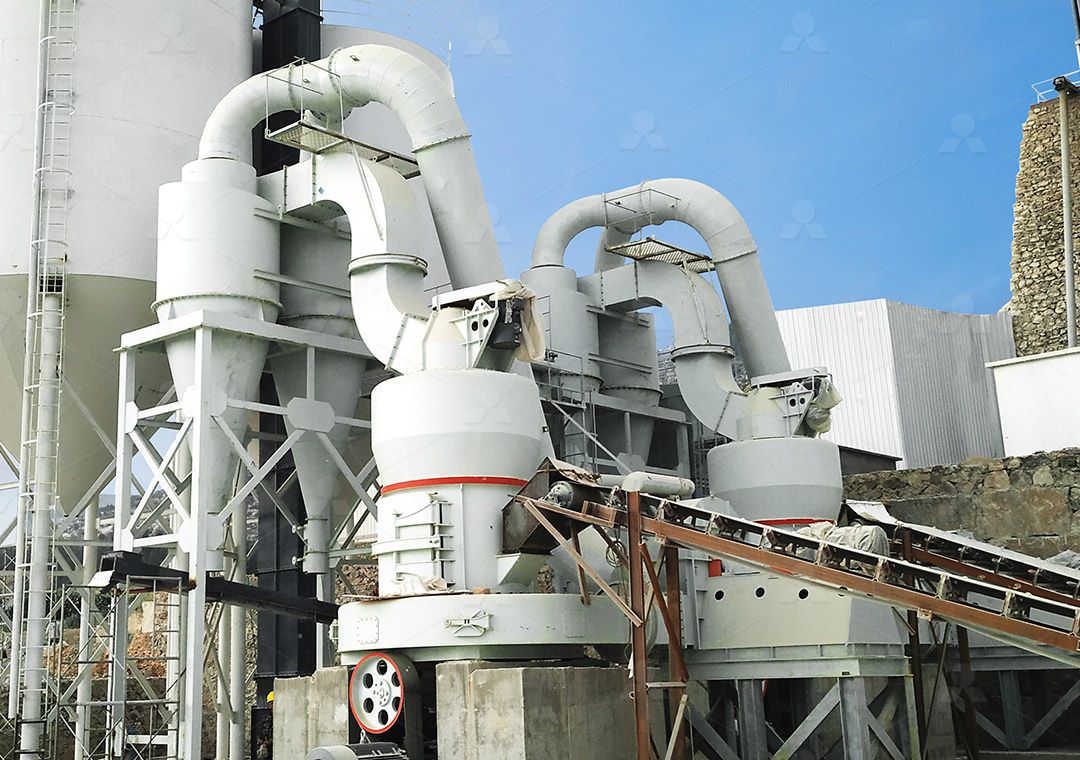
Reducing carbon emissions in calcium carbonate processing is no longer just an environmental imperative; it is a competitive necessity. By transitioning from outdated, energy-hungry equipment to advanced, integrated solutions like the MW Ultrafine Grinding Mill, manufacturers can achieve substantial reductions in their energy consumption and carbon output. This investment not only future-proofs operations against tightening environmental regulations but also lowers operating costs, creating a clear win-win scenario for both the business and the planet.