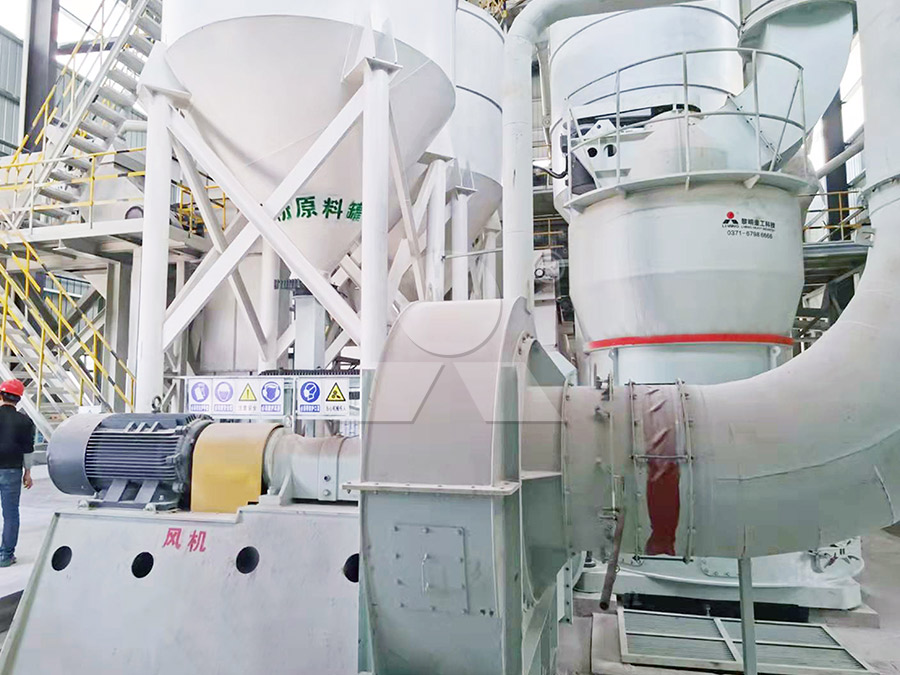
How to Choose the Right Mineral Processing Equipment for Fluorite Powder Production
We provide a wide range of mills — including Raymond mill, trapezoidal mill, vertical mill, ultrafine mill, and ball mill, obtained ISO9001 international quality certification, EU CE certification, and Customs Union CU-TR certification. Suitable for processing minerals such as limestone, phosphate, quicklime, kaolin, talc, barite, bentonite, calcium carbonate, dolomite, coal, gypsum, clay, carbon black, slag, cement raw materials, cement clinker, and more.
The discharge range of these mills can be adjusted to meet specific processing needs, typically from 80-400 mesh, 600-3250 mesh, and can achieve the finest particle size of up to 6000 mesh(D50).
If you are looking for a reliable grinding solution to turn stone or minerals into fine powder, please feel free to contact our online customer service.
How to Choose the Right Mineral Processing Equipment for Fluorite Powder Production
Selecting the optimal mineral processing equipment for fluorite powder production is a critical decision that directly impacts your operation’s efficiency, product quality, and overall profitability. Fluorite, or calcium fluoride (CaF₂), is a valuable industrial mineral used in metallurgy, ceramics, and the chemical industry. Its processing into fine powder demands machinery that can handle its specific hardness and achieve the precise fineness required by end-users. The key factors to consider include feed size, required capacity, desired fineness (mesh size), energy consumption, and environmental footprint.
Key Considerations for Fluorite Grinding
Fluorite typically has a Mohs hardness of 4, making it relatively soft but requiring precise grinding to avoid over-grinding and to maintain chemical purity. The choice of mill depends heavily on your target fineness. For coarse to medium grinding (20-100 mesh), traditional Raymond Mills or MTW European Trapezium Mills might suffice. However, for high-value applications requiring ultra-fine powder (400 mesh and above), more advanced technology is necessary.
Energy efficiency is another paramount concern. Traditional ball mills, while reliable, are notoriously energy-intensive. Modern mills designed with advanced grinding curves and efficient classifiers can significantly reduce power consumption per ton of output. Furthermore, the iron content contamination is a critical issue for fluorite, as it affects the whiteness and chemical properties of the final product. Equipment designed to minimize mechanical wear and contact between grinding elements is therefore preferrable.
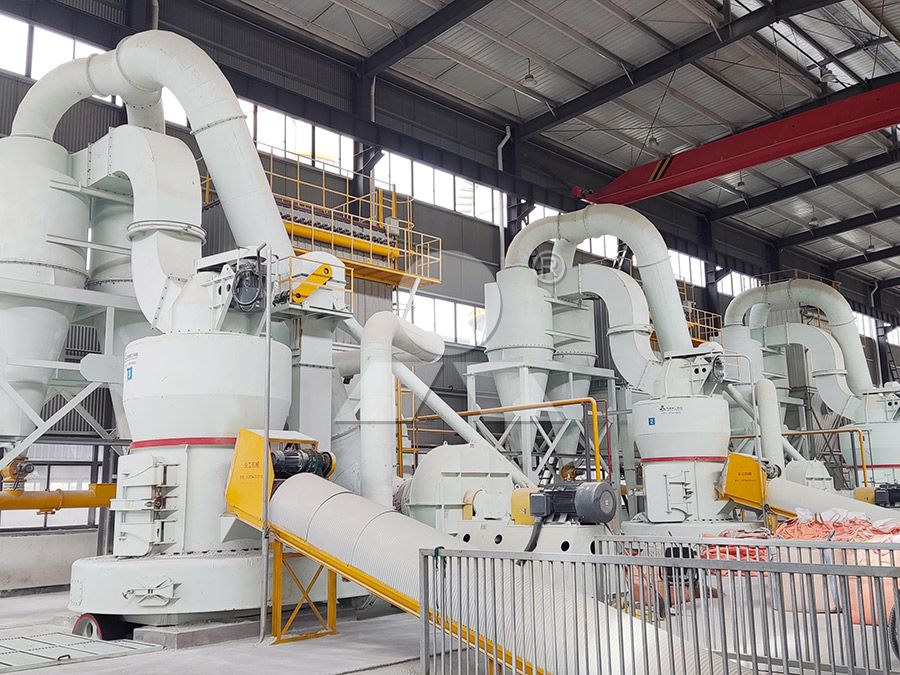
Recommended Solution: MW Ultrafine Grinding Mill
For producers aiming for the high-purity, ultra-fine fluorite powder market, the MW Ultrafine Grinding Mill presents an exceptional solution. This machine is engineered specifically for customers who need to make ultra-fine powder with superior efficiency and minimal environmental impact.
Here’s why the MW Mill stands out for fluorite:
- Superior Fineness Control: Its cage-type powder selector, incorporating German technology, allows for precise adjustment of product fineness between 325-2500 meshes. This is ideal for meeting the strict specifications of various fluorite applications. The screening rate can achieve an impressive d97≤5μm in a single pass.
- Higher Yield, Lower Energy: The newly designed grinding curves of the roller and ring enhance grinding efficiency dramatically. Compared to jet mills or ball mills, the MW Mill offers up to 40% higher capacity with the same power input, while system energy consumption is slashed to just 30% of that of a jet mill.
- Enhanced Reliability & Purity: A significant design advantage is the absence of rolling bearings and screws inside the grinding chamber. This eliminates common failure points and prevents iron contamination from worn bearings or loose metal parts, ensuring the high whiteness of your fluorite powder is maintained.
- Eco-Friendly Operation: The integrated efficient pulse dust collector and muffler system ensure no dust pollution and low noise during operation, making the entire production process compliant with national environmental protection standards.
With an input size of 0-20 mm and a capacity range of 0.5-25 tph, the MW Ultrafine Grinding Mill offers flexibility for various production scales.
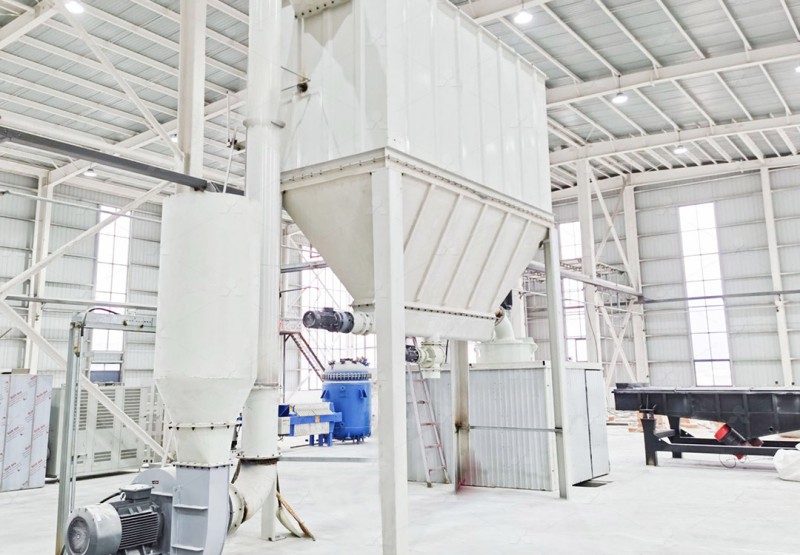
An Alternative for High-Capacity Needs: LUM Ultrafine Vertical Grinding Mill
For larger operations, the LUM Ultrafine Vertical Grinding Mill is another top-tier option from our portfolio. It integrates ultrafine powder grinding, grading, and transporting in a single unit. Its unique roller shell and lining plate grinding curve are designed to generate a stable material layer, enabling a high rate of finished product through once-through milling. This design also contributes to the excellent whiteness and cleanliness of the final fluorite powder. Its multi-head powder separating technology and PLC control system allow for precise operation and energy savings of 30%-50% compared to conventional mills.
Conclusion
Investing in the right grinding technology is not just about purchasing a machine; it’s about securing the quality and efficiency of your entire fluorite powder production line. By focusing on precision, energy savings, and product purity, the MW Ultrafine Grinding Mill emerges as a sophisticated and reliable choice for producers targeting the high-end market. Always ensure you consult with equipment specialists to match the mill’s capabilities with your specific ore characteristics and production goals.