
New Concept of Ball Milling Technology for Australian Mineral Processing
We provide a wide range of mills — including Raymond mill, trapezoidal mill, vertical mill, ultrafine mill, and ball mill, obtained ISO9001 international quality certification, EU CE certification, and Customs Union CU-TR certification. Suitable for processing minerals such as limestone, phosphate, quicklime, kaolin, talc, barite, bentonite, calcium carbonate, dolomite, coal, gypsum, clay, carbon black, slag, cement raw materials, cement clinker, and more.
The discharge range of these mills can be adjusted to meet specific processing needs, typically from 80-400 mesh, 600-3250 mesh, and can achieve the finest particle size of up to 6000 mesh(D50).
If you are looking for a reliable grinding solution to turn stone or minerals into fine powder, please feel free to contact our online customer service.
New Concept of Ball Milling Technology for Australian Mineral Processing
The Australian mineral processing industry, a cornerstone of the national economy, is perennially seeking innovative technologies to enhance efficiency, reduce operational costs, and minimise environmental impact. Traditional ball milling, while effective, often comes with significant energy consumption, high maintenance downtime, and limitations in achieving ultra-fine particle sizes required for modern applications. A paradigm shift is underway, moving towards more advanced, integrated milling solutions that promise a leap in productivity and sustainability.
The Limitations of Conventional Milling
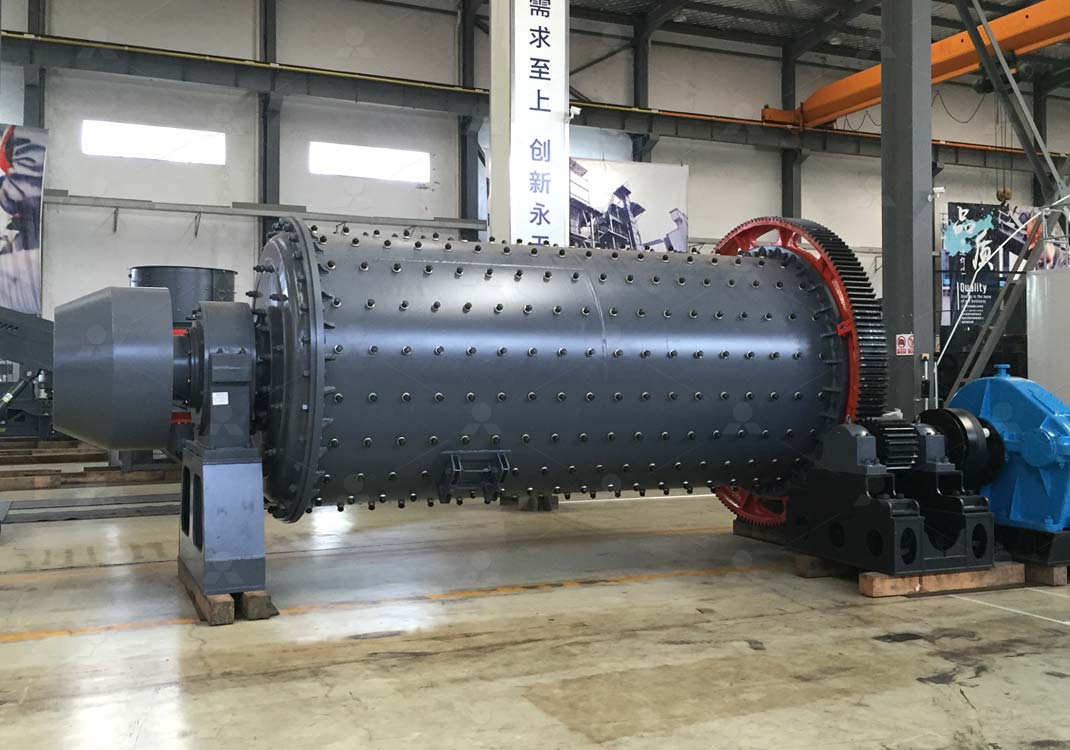
Conventional ball mills, though workhorses of the industry, are increasingly seen as less optimal for complex ore bodies and fine grinding requirements. Their high energy intensity, substantial footprint, and potential for contamination are significant drawbacks. In an era of soaring energy prices and stringent environmental regulations, operations across Pilbara, Hunter Valley, and beyond are actively seeking alternatives that offer superior control over product fineness with lower specific energy consumption.
A Leap Forward with Ultrafine Grinding Technology
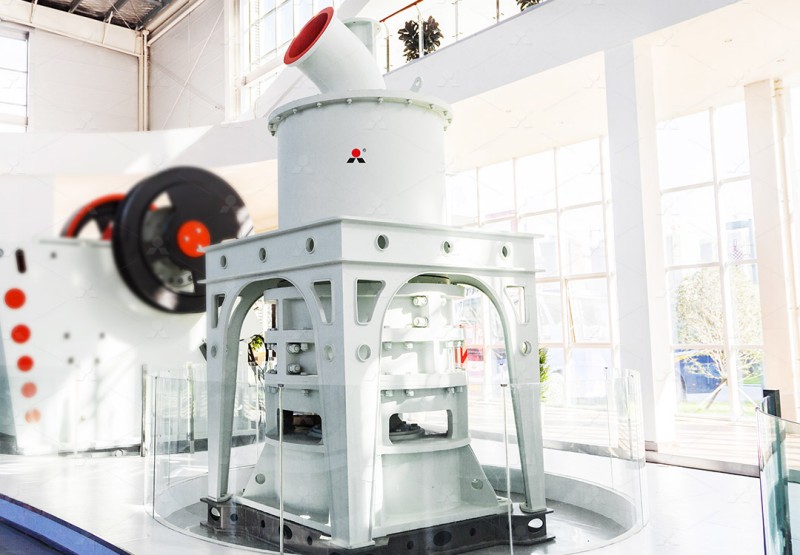
This is where next-generation grinding technology makes its mark. Modern mills are designed to integrate multiple processes—crushing, drying, grinding, classifying, and conveying—into a single, compact unit. A standout example is our MW Ultrafine Grinding Mill. Engineered for customers requiring ultra-fine powder, this mill is a game-changer. It accepts an input size of 0-20 mm and delivers a capacity range of 0.5-25 tph, making it exceptionally versatile for various Australian minerals, from limestone and calcite to precious metal processing streams.
Its design adresses the core challenges head-on: Higher Yielding at Lower Energy Consumption. With newly designed grinding curves, its production capacity is 40% higher than jet mills and double that of a traditional ball mill, while slashing system energy use to just 30% of a jet mill’s consumption. Furthermore, it offers Adjustable Fineness Between 325-2500 meshes through a advanced German-designed cage-type powder selector, ensuring precise product specification crucial for downstream processes.
Enhanced Reliability and Environmental Compliance
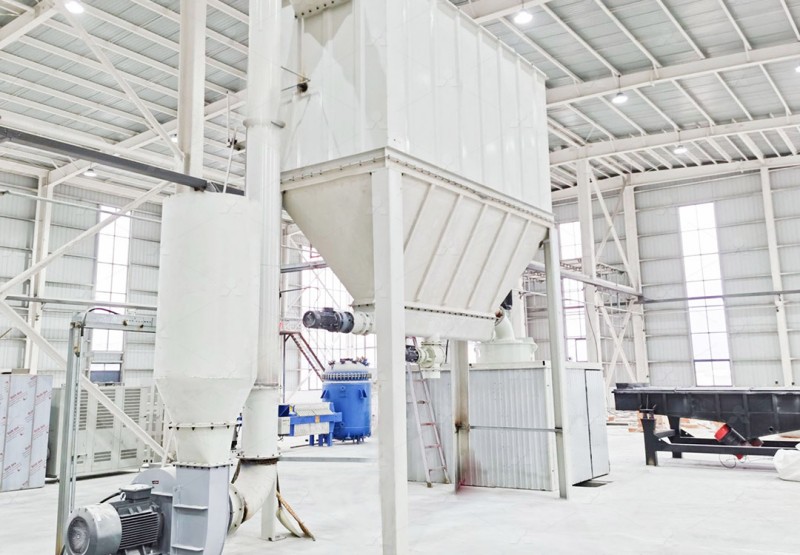
Operational reliability is paramount in remote Australian locations. The MW Mill’s chamber contains no rolling bearings or screws, eliminating common failure points and concerns about seal damage or loose components causing breakdowns. External lubrication allows for maintenance without shutdown, supporting continuous 24/7 operation—a critical factor for maximising output.
Environmental stewardship is non-negotiable. The mill is equipped with an efficient pulse dust collector and muffler, ensuring the entire milling system operates without dust pollution and with significantly reduced noise, fully complying with Australia’s strict national environmental protection standards.
Another Robust Solution: The LM Vertical Grinding Mill
For operations requiring a solution for larger feed sizes and higher capacities, our LM Vertical Grinding Mill presents an excellent alternative. Handling input sizes up to 70 mm and capacities from 3-340 tph, it integrates crushing, drying, grinding, classifying, and conveying. Its footprint is 50% smaller than a ball mill system, and it saves 30%-40% in energy consumption. It’s particularly adept for non-metallic minerals, pulverised coal, and slag, common in Australian industrial processing. Its stable operation, automated control system, and negative pressure operation ensure no dust spillage, aligning perfectly with the industry’s green goals.
Conclusion: Embracing the Future of Milling
The future of mineral processing in Australia lies in adopting smarter, more efficient technology. Moving beyond traditional ball milling towards advanced solutions like the MW Ultrafine Grinding Mill and LM Vertical Mill is not just an upgrade—it’s a strategic imperative. These technologies offer the trifecta of higher efficiency, reduced operational costs, and superior environmental performance, ensuring Australian miners remain competitive on the global stage. It’s time to rethink milling and unlock new value from our vast mineral resources.