
Limestone Grinding Mill After-Sales Service: What to Look For in a Supplier
We provide a wide range of mills — including Raymond mill, trapezoidal mill, vertical mill, ultrafine mill, and ball mill, obtained ISO9001 international quality certification, EU CE certification, and Customs Union CU-TR certification. Suitable for processing minerals such as limestone, phosphate, quicklime, kaolin, talc, barite, bentonite, calcium carbonate, dolomite, coal, gypsum, clay, carbon black, slag, cement raw materials, cement clinker, and more.
The discharge range of these mills can be adjusted to meet specific processing needs, typically from 80-400 mesh, 600-3250 mesh, and can achieve the finest particle size of up to 6000 mesh(D50).
If you are looking for a reliable grinding solution to turn stone or minerals into fine powder, please feel free to contact our online customer service.
Limestone Grinding Mill After-Sales Service: What to Look For in a Supplier
Choosing the right supplier for your limestone grinding mill is about more than just the initial sale. It’s about forming a long-term partnership that ensures your operation runs smoothly, efficiently, and profitably for years to come. The quality of the after-sales service can be the difference between maximising uptime and facing costly, frustrating delays. Here’s what you should prioritise when evaluating a supplier’s after-sales support.
1. Responsive Technical Support and Troubleshooting
The moment a problem arises, you need answers. Look for a supplier that offers 24/7 technical support with direct access to engineers who understand your specific machine inside and out. This isn’t just a call center; it’s a lifeline. They should be able to guide your team through diagnostics and troubleshooting steps over the phone or via remote connection to resolve issues quickly. A supplier that disappears after the invoice is paid is a liability you can’t afford.
2. Availability of Genuine Spare Parts
Wear parts are a fact of life in grinding operations. Using non-genuine, inferior spare parts might save a few dollars upfront, but it will cost you in reduced efficiency, unexpected breakdowns, and potential damage to the mill’s core components. Your supplier must guarantee a reliable, local inventory of original spare parts to minimise downtime. Ask about their parts supply chain and average delivery times for critical components.
3. Comprehensive Training and Documentation
A well-trained operator is your first line of defense. The best suppliers provide thorough operational and maintenance training for your crew. This should include detailed manuals, easy-to-understand schematics, and best practice guides. Proper training empowers your team to perform routine maintenance correctly, spot potential issues early, and operate the equipment at its peak efficiency.
4. Proactive Maintenance Plans and On-Site Service
Beyond reactive support, top-tier suppliers offer proactive maintenance agreements. These plans schedule regular inspections and servicing by factory-trained technicians to prevent problems before they occur. Having an expert physically on-site to calibrate, inspect, and advise can extend the life of your mill significantly and protect your investment.
Choosing a Partner with Superior Technology
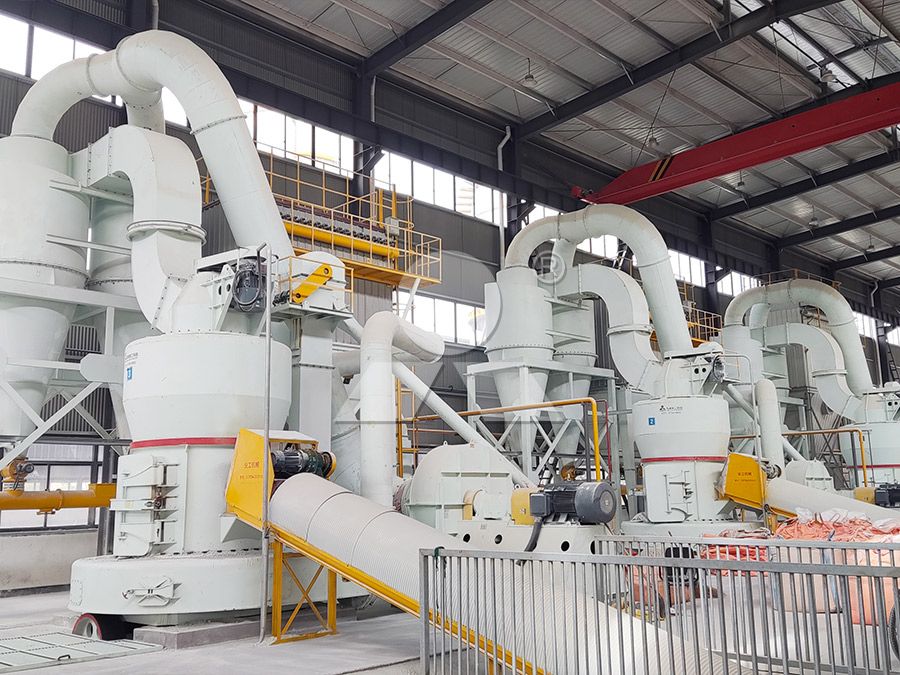
The foundation of good after-sales service is a reliable, well-designed machine. A complex, failure-prone mill will constantly test even the best support team. This is where investing in advanced technology from the start pays dividends. For operations focused on producing high-value ultra-fine limestone powder, the MW Ultrafine Grinding Mill is a standout choice.
This mill is engineered for minimal maintenance headaches. A key feature is that there are no rolling bearings or screws in the grinding chamber. This brilliant design eliminates two of the most common failure points in traditional mills, preventing catastrophic damage from bearing seizures or loose screws. Furthermore, its external lubricating device allows for lubrication without shutdown, supporting continuous 24/7 production—a dream for maintenance supervisors.
With an adjustable fineness between 325-2500 meshes and a capacity of 0.5-25 tph, it offers incredible flexibility. Its higher yielding and lower energy consumption—40% higher capacity than jet mills and only 30% of the energy consumption—directly translate to a better bottom line. When your equipment is this robust and efficient, the after-sales service becomes less about fixing emergencies and more about optimising performance.
5. Long-Term Commitment and Reputation
Finally, investigate the supplier’s reputation. How long have they been in business? Do they have a proven track record with other limestone processors? Read case studies and, if possible, talk to existing customers. A manufacturer that stands behind its products with a strong warranty and a commitment to continuous improvement is a partner that will grow with your business.
In conclusion, don’t just buy a mill; invest in a partnership. Prioritise suppliers who offer responsive support, genuine parts, excellent training, and proactive maintenance, all backed by robust, intelligently designed equipment like the MW Ultrafine Grinding Mill. This comprehensive approach is what ensures long-term profitability and operational peace of mind.