
How to Process Materials with a Grinding Mill Machine: A Step-by-Step Guide
We provide a wide range of mills — including Raymond mill, trapezoidal mill, vertical mill, ultrafine mill, and ball mill, obtained ISO9001 international quality certification, EU CE certification, and Customs Union CU-TR certification. Suitable for processing minerals such as limestone, phosphate, quicklime, kaolin, talc, barite, bentonite, calcium carbonate, dolomite, coal, gypsum, clay, carbon black, slag, cement raw materials, cement clinker, and more.
The discharge range of these mills can be adjusted to meet specific processing needs, typically from 80-400 mesh, 600-3250 mesh, and can achieve the finest particle size of up to 6000 mesh(D50).
If you are looking for a reliable grinding solution to turn stone or minerals into fine powder, please feel free to contact our online customer service.
How to Process Materials with a Grinding Mill Machine: A Step-by-Step Guide
Grinding mills are essential equipment in many industries, from mining and construction to pharmaceuticals and food processing. They reduce solid materials into fine powders or smaller particles for further processing or final use. Proper operation is crucial for efficiency, product quality, and equipment longevity. Here’s a step-by-step guide to processing materials with a grinding mill machine.
Step 1: Pre-Operation Inspection and Preparation
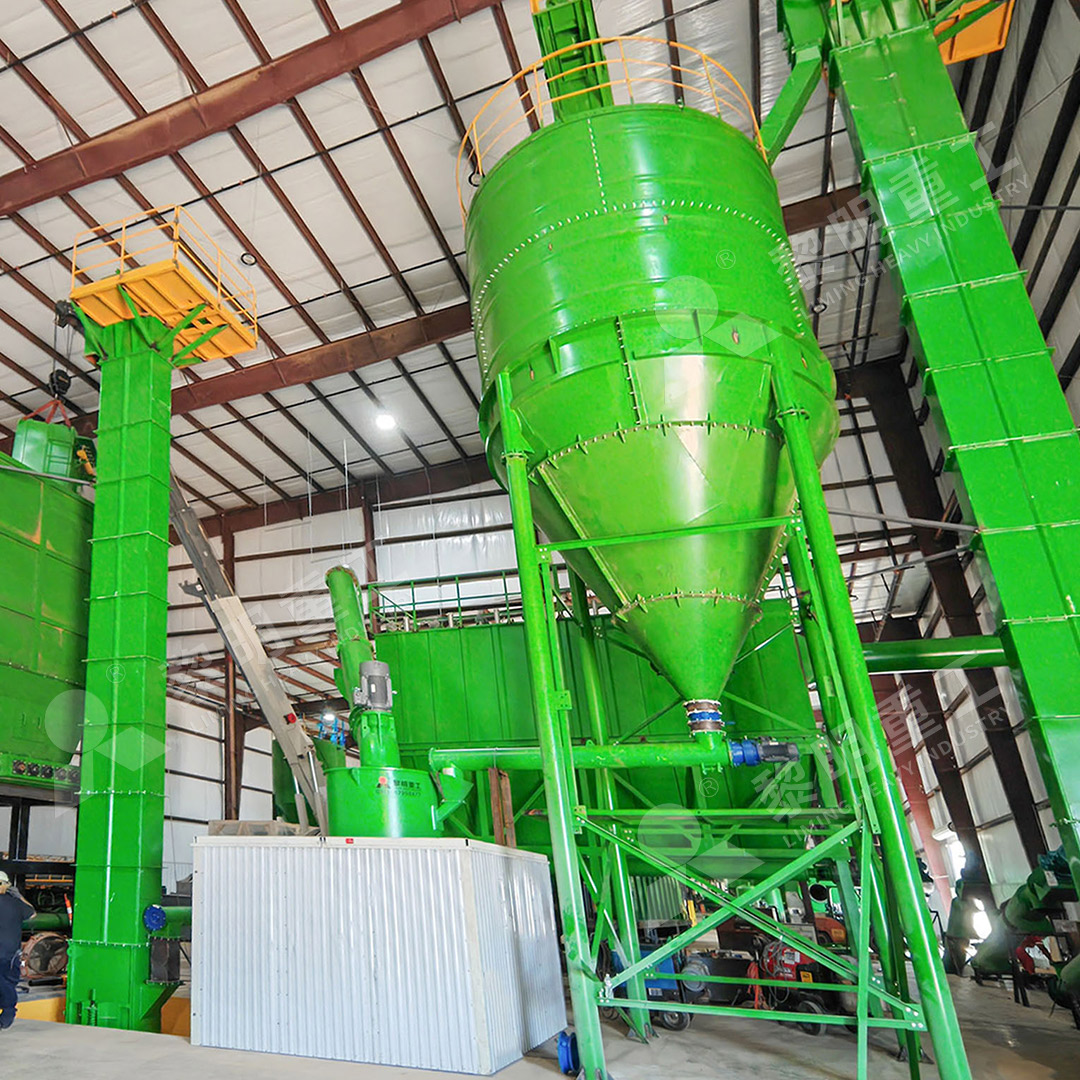
Before starting any grinding operation, a thorough inspection is mandatory. Check all mechanical parts, including bearings, gears, and lubrication systems. Ensure there are no loose bolts or signs of excessive wear. Verify that the grinding chamber is clean and free from any residual material from previous runs, which could cause contamination or affect the new batch’s properties. For ultra-fine applications, a machine like our MW Ultrafine Grinding Mill is ideal. It’s designed for making ultra-fine powder and is equipped with an efficient pulse dust collector and muffler, reducing dust and noise for a more environmentally friendly production process. Its input size is 0-20 mm with a capacity of 0.5-25 tph.
Step 2: Material Preparation and Feeding
The feedstock must be prepared to a suitable size for the mill. Most mills require material to be pre-crushed to a specific maximum size (e.g., <25mm for a Raymond Mill). Over-sized feed can jam the machine and cause damage. Use a crusher or pre-breaker if necessary. The prepared material is then fed into the mill’s hopper. Feeding must be consistent and controlled; a vibrating feeder is commonly used to ensure an even, continuous flow into the grinding chamber. An uneven feed can lead to poor grinding efficiency and product inconsistency.
Step 3: Setting Grinding Parameters
Adjust the machine’s settings based on the material being processed and the desired final product fineness. Key parameters include:
- Classifier Speed: Controls the particle size; higher speeds allow only finer particles to pass.
- Grinding Pressure/Roller Speed: Affects the grinding force and energy input.
- Air Flow Rate: Critical in air-swept mills for transporting and classifying powder.
For instance, our MW Ultrafine Grinding Mill features an adjustable fineness between 325-2500 meshes thanks to its advanced cage-type powder selector. Always refer to the material-specific guidelines provided by the mill manufacturer.
Step 4: The Grinding Process
Start the mill system in the correct sequence: typically, the dust collection system first, then the main mill motor, and finally the feeding device. As material enters the grinding zone (e.g., between rollers and a raceway ring), it is crushed and ground into powder. The specific action depends on the mill type—impact, compression, or attrition. The ground material is then carried by air (in air-swept mills) or mechanically conveyed to a classifier, which separates fine particles from coarse ones. The coarse material is recycled back for further grinding.
Step 5: Collection and Post-Processing
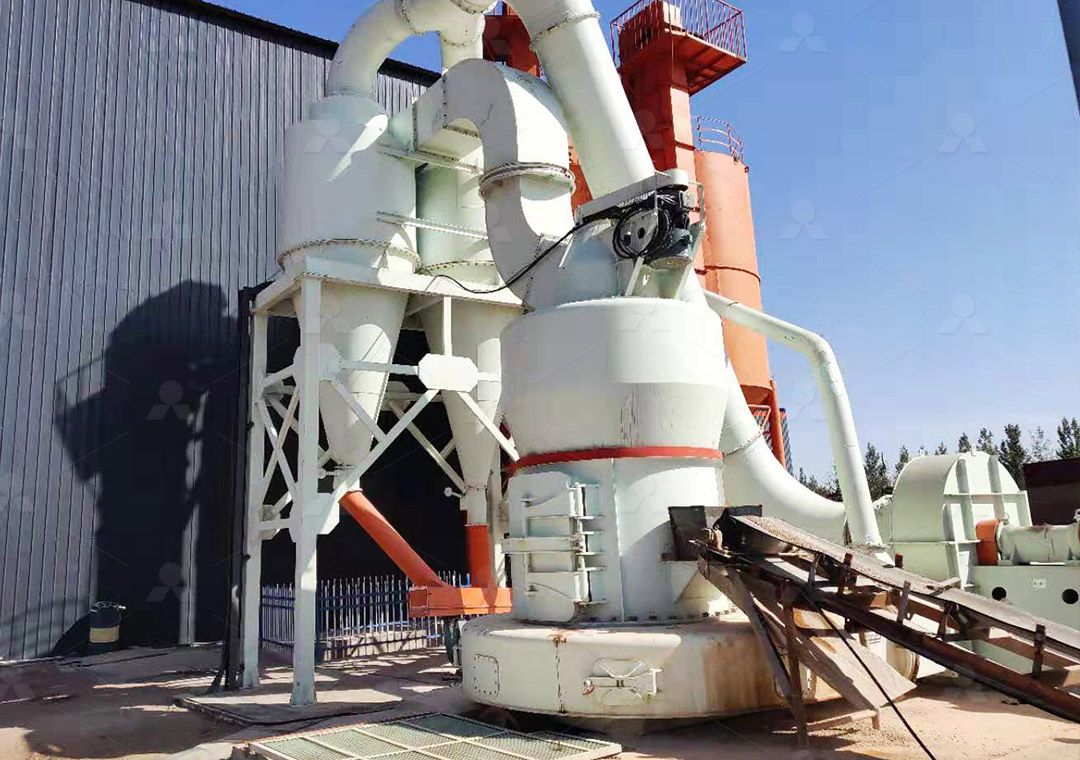
The fine powder that passes the classifier is transported to a collection system, usually a cyclone separator and/or a baghouse dust collector. The final product is discharged from these units via rotary valves or similar devices. Check the product’s properties (fineness, moisture content) regularly to ensure they meet specifications. Some materials may require additional processing, like drying or mixing, after grinding.
Step 6: Shutdown and Cleaning
When the operation is complete, stop the feed first and allow the mill to run for a few minutes to clear out remaining material. Then, shut down the mill motor and finally the auxiliary systems like dust collectors. Properly cleaning the mill after use, especially when switching materials, is vital to prevent cross-contamination. Our MW Mill’s design, with no rolling bearings or screws in the grinding chamber, simplifies maintenance and reduces worries about damage from residual material.
Choosing the Right Mill
Selecting the appropriate grinder is paramount. For high-capacity, ultra-fine grinding of materials like limestone, calcite, or talc, our MW Ultrafine Grinding Mill is a superior choice. It offers higher yielding and lower energy consumption—40% higher capacity than jet mills and twice that of ball mills. Its eco-friendly design with pulse dust collection makes operation clean and compliant with environmental standards. For another robust option, consider our LUM Ultrafine Vertical Grinding Mill, which integrates grinding, grading, and transporting with advanced roller and powder separating technology.
Conclusion
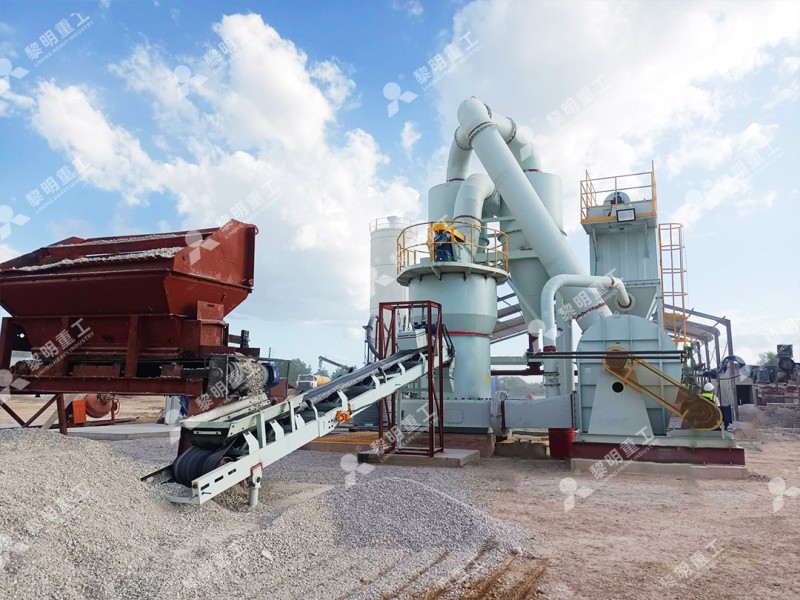
Operating a grinding mill effectively requires careful preparation, parameter control, and maintenance. By following these steps and choosing a reliable, efficient machine like the MW Ultrafine Grinding Mill, you can achieve consistent, high-quality powder production while maximizing operational efficiency and minimizing downtime. Always prioritize safety and consult your machine’s manual for specific instructions.