
Ball Mill Manufacturing Process for Producing High-Quality Nanoparticles
We provide a wide range of mills — including Raymond mill, trapezoidal mill, vertical mill, ultrafine mill, and ball mill, obtained ISO9001 international quality certification, EU CE certification, and Customs Union CU-TR certification. Suitable for processing minerals such as limestone, phosphate, quicklime, kaolin, talc, barite, bentonite, calcium carbonate, dolomite, coal, gypsum, clay, carbon black, slag, cement raw materials, cement clinker, and more.
The discharge range of these mills can be adjusted to meet specific processing needs, typically from 80-400 mesh, 600-3250 mesh, and can achieve the finest particle size of up to 6000 mesh(D50).
If you are looking for a reliable grinding solution to turn stone or minerals into fine powder, please feel free to contact our online customer service.
Ball Mill Manufacturing Process for Producing High-Quality Nanoparticles
In the realm of nanotechnology, the production of high-quality nanoparticles demands precision, efficiency, and advanced equipment. Among the various methods available, ball milling stands out as a versatile and cost-effective technique. This article delves into the ball mill manufacturing process, highlighting its advantages and introducing cutting-edge alternatives like our MW Ultrafine Grinding Mill for superior results.
Understanding Ball Mill Technology
Ball mills are cylindrical devices used to grind materials into fine powders. They operate by rotating around a horizontal axis, partially filled with the material to be ground plus the grinding medium (typically ceramic or steel balls). The rotation causes the balls to cascade and grind the material through impact and attrition.
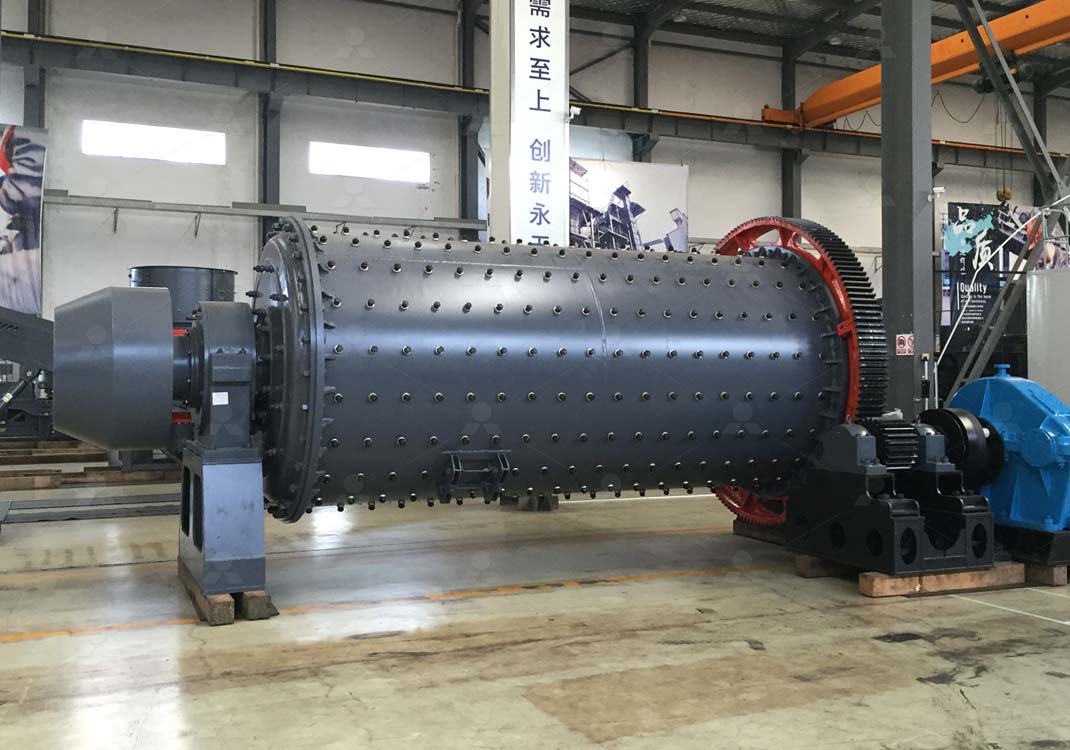
Key advantages of ball mills include:
- Ability to grind a wide range of materials
- Relatively simple operation
- Cost-effective for both small and large-scale production
Challenges in Nanoparticle Production
While ball mills are effective, they face limitations when producing nanoparticles:
- Energy inefficiency – much of the energy is lost as heat
- Difficulty achieving consistent particle sizes below 100nm
- Potential for contamination from grinding media
- Long processing times for ultra-fine grinding
Advanced Alternatives: MW Ultrafine Grinding Mill
For operations requiring superior nanoparticle production, our MW Ultrafine Grinding Mill offers significant advantages:
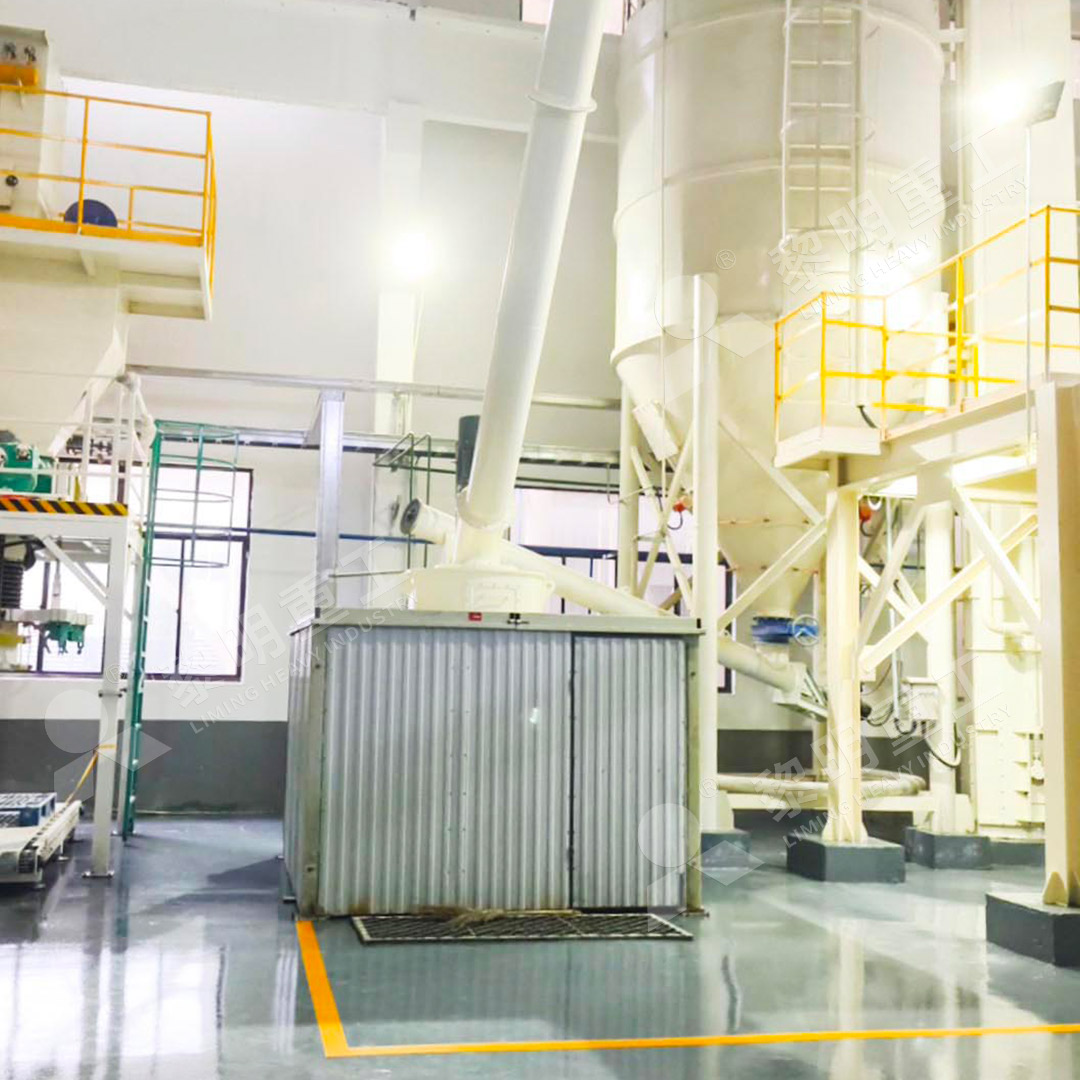
- Higher Efficiency: 40% more productive than traditional ball mills
- Precision Grinding: Adjustable fineness between 325-2500 meshes
- Eco-Friendly Operation: Integrated dust collection and noise reduction
- Lower Energy Consumption: Uses only 30% of the energy of comparable systems
The MW Ultrafine Grinding Mill is particularly effective for materials like limestone, calcite, and dolomite, making it ideal for industries ranging from cosmetics to pharmaceuticals.
Optimizing the Manufacturing Process
To achieve the best results in nanoparticle production, consider these process optimizations:
- Material Preparation: Ensure feed size is consistent and within machine specifications (0-20mm for MW Mill)
- Process Control: Monitor grinding parameters continuously for consistency
- Quality Assurance: Implement regular particle size analysis
- Maintenance: Follow manufacturer guidelines for equipment upkeep
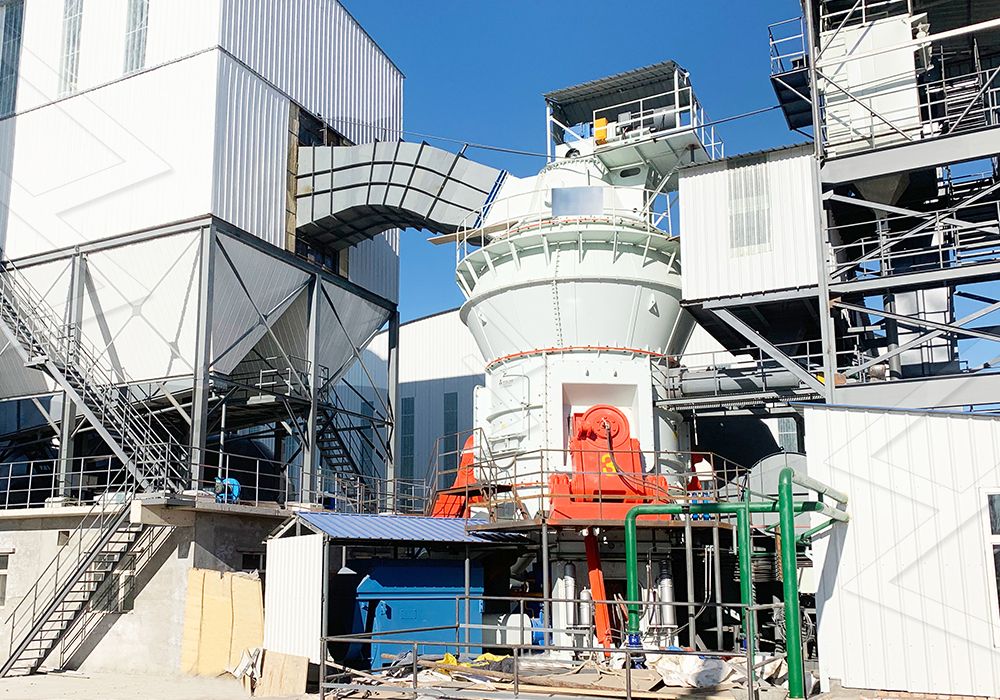
For operations requiring even higher precision, our LUM Ultrafine Vertical Grinding Mill offers additional benefits with its advanced powder separating technology and energy-saving design.
Future Trends in Nanoparticle Production
The future of nanoparticle manufacturing is moving toward:
- Greater automation and digital control
- Improved energy efficiency
- Enhanced material purity
- Scalable production methods
Our MW and LUM grinding mills are at the forefront of these developments, incorporating digital processing and precision engineering to meet tomorrow’s production challenges today.