
10 Things You Need to Know Before Buying a Lime Grinding Mill
We provide a wide range of mills — including Raymond mill, trapezoidal mill, vertical mill, ultrafine mill, and ball mill, obtained ISO9001 international quality certification, EU CE certification, and Customs Union CU-TR certification. Suitable for processing minerals such as limestone, phosphate, quicklime, kaolin, talc, barite, bentonite, calcium carbonate, dolomite, coal, gypsum, clay, carbon black, slag, cement raw materials, cement clinker, and more.
The discharge range of these mills can be adjusted to meet specific processing needs, typically from 80-400 mesh, 600-3250 mesh, and can achieve the finest particle size of up to 6000 mesh(D50).
If you are looking for a reliable grinding solution to turn stone or minerals into fine powder, please feel free to contact our online customer service.
10 Things You Need to Know Before Buying a Lime Grinding Mill
So, you’re in the market for a lime grinding mill? Smart move. Lime is a versatile material used in everything from construction and agriculture to chemichal processing and environmental remediation. But not all grinding mills are created equal. Choosing the wrong one can lead to inefficiency, high operating costs, and a final product that doesn’t meet spec. After years in the industry, here are the ten crucial factors you MUST consider before writing that check.
1. Understand Your Required Fineness (Mesh Size)
This is arguably the most important starting point. What fineness does your end product need to be? Are you aiming for a coarse agricultural lime or an ultra-fine powder for industrial fillers? This will immediately narrow down your mill type. For superfine powders exceeding 325 mesh, you’ll need specialized equipment like an ultrafine grinding mill.
2. Calculate Your Necessary Capacity (TPH)
Be realistic about your production needs. Are you running a small operation needing 0.5 tons per hour, or a large-scale plant requiring 25+ TPH? Don’t just look at today’s numbers; factor in future growth. Buying a mill that’s already at max capacity is a recipe for needing a new one too soon. Underutilizing a massive mill is just burning money on capital and energy costs.
3. Energy Consumption: The Silent Budget Killer
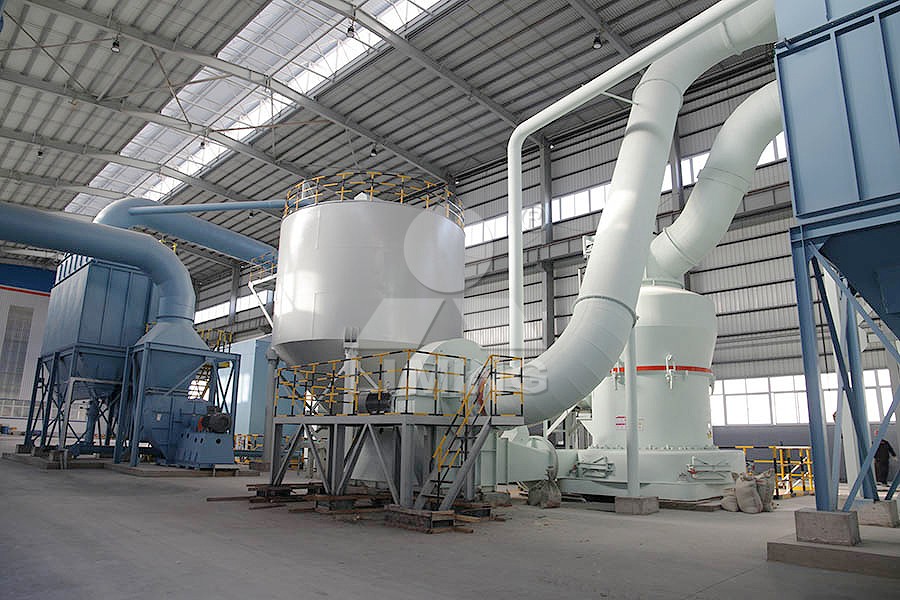
Look beyond the sticker price. The real cost of a mill is in its power consumption over years of operation. Traditional ball mills are notorious energy hogs. Modern mills, especially vertical roller mills and ultrafine grinders, are designed for significantly lower energy consumption per ton of output. This is where you’ll see your ROI.
4. The Total Cost of Ownership: More Than Just the Machine
This includes maintenance, spare parts availability, wear part longevity, and potential downtime. A cheaper mill with expensive, hard-to-find spare parts will cost you more in the long run. Opt for manufacturers known for robust construction and excellent after-sales support.
5. Dust and Noise Control: It’s 2024, Not 1924
Environmental regulations and worker safety are non-negotiable. A modern mill should operate cleanly. Look for integrated systems with efficient pulse dust collectors and mufflers. You shouldn’t need a separate, expensive dust collection setup. A clean operation is a safe and compliant one.
6. Ease of Maintenance and Accessibility
How easy is it to access the grinding chamber for inspection or to replace wear parts? Some older designs require complex disassembly. Newer designs feature clever engineering, like no rolling bearings or screws in the grinding chamber, which eliminates common failure points and allows for external lubrication without shutdown. This is a game-changer for continuous 24/7 operations.
7. The Technology Inside: Grinding Curves & Powder Selection
This is where the magic happens. The design of the grinding rollers and rings (their “curves”) drastically affects efficiency. Similarly, the powder selector technology determines how precisely you can separate fine from coarse powder. German-designed cage-type selectors, for example, offer far superior precision and adjustable fineness compared to old-fashioned blade types.
8. Automation and Control Systems
Can you accurately control grinding pressure, roller speed, and feed rate? Modern PLC-controlled systems allow for precise, repeatable adjustments to maintain product quality and optimize efficiency, something manual systems struggle with.
9. Build Quality and Digital Manufacturing
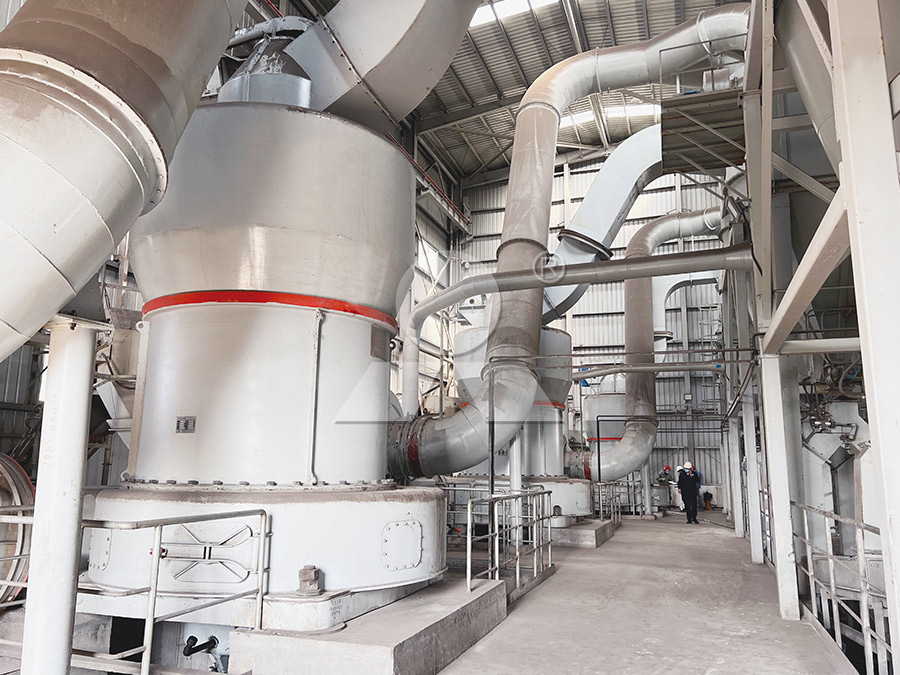
Is the mill built with precision? Look for manufacturers that use CNC machine tools for core components. High machining precision translates to better balance, less vibration, longer life, and consistent performance. Don’t settle for rough welding and approximations.
10. The Manufacturer’s Reputation and Support
Who are you buying from? Do they have a proven track record? Can they provide genuine spare parts and technical support years down the line? A machine is only as good as the company standing behind it.
A Top-Tier Recommendation: The MW Ultrafine Grinding Mill
Based on these ten criteria, one of our flagship products, the MW Ultrafine Grinding Mill, consistently stands out for lime processing, especially when ultra-fine powders are the goal.
Here’s why it adresses all the points above:
- Fineness & Capacity: It produces powder between 325-2500 meshes (d97 ≤5μm) at a capacity of 0.5-25 TPH, handling an input size of 0-20mm. That’s incredibly versatile.
- Energy Efficiency: Its newly designed grinding curves make it 40% more efficient than jet mills and use only 30% of the energy. It doubles the output of a ball mill. The savings are substantial.
- Clean & Quiet: It comes equipped with an efficient pulse dust collector and muffler, making the entire system eco-friendly and compliant from day one.
- Low Maintenance Design: The genius lack of rolling bearings and screws in the grinding chamber is a huge advantage. You avoid catastrophic bearing failures and loose screws damaging the machine. Lubrication is done externally without stopping production.
- Precision Engineering: Features a German-tech multi-head cage-type powder selector for precise fineness control and high sieving rates.
For those needing exceptional fineness with lower energy bills and minimal downtime, the MW Series is an investment that pays for itself. We also offer the robust LUM Ultrafine Vertical Grinding Mill for applications requiring slightly different parameters, featuring advanced roller technology and exceptional stability.
Do your homework. Know your specs. And choose a partner, not just a supplier. Your grinding mill is the heart of your operation—make sure it’s a strong one.