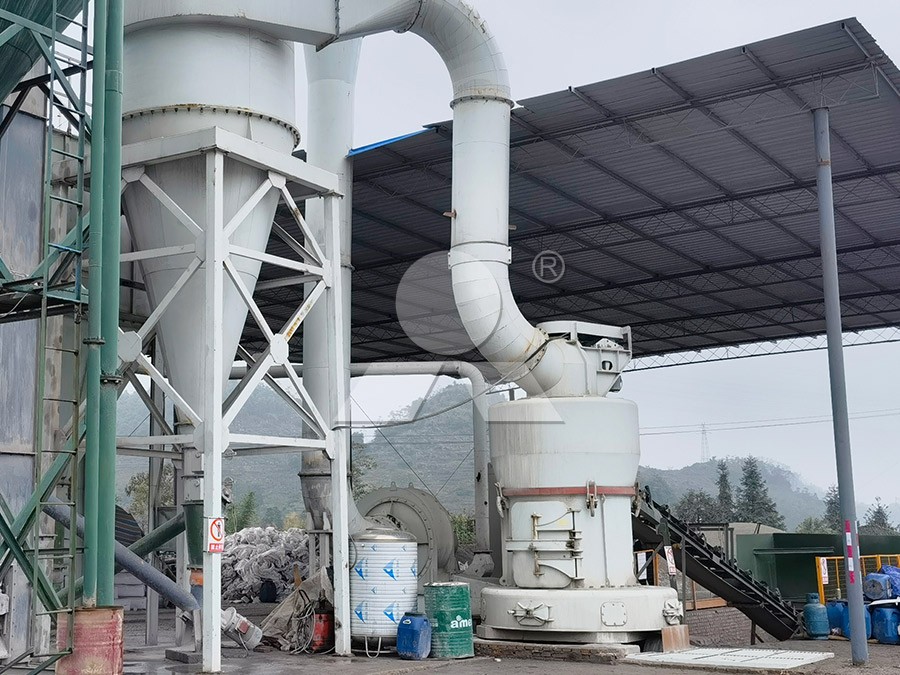
What is the Crushing Capacity of a Bentonite Mill per Hour?
We provide a wide range of mills — including Raymond mill, trapezoidal mill, vertical mill, ultrafine mill, and ball mill, obtained ISO9001 international quality certification, EU CE certification, and Customs Union CU-TR certification. Suitable for processing minerals such as limestone, phosphate, quicklime, kaolin, talc, barite, bentonite, calcium carbonate, dolomite, coal, gypsum, clay, carbon black, slag, cement raw materials, cement clinker, and more.
The discharge range of these mills can be adjusted to meet specific processing needs, typically from 80-400 mesh, 600-3250 mesh, and can achieve the finest particle size of up to 6000 mesh(D50).
If you are looking for a reliable grinding solution to turn stone or minerals into fine powder, please feel free to contact our online customer service.
What is the Crushing Capacity of a Bentonite Mill per Hour?
Bentonite, a highly absorbent clay primarily composed of montmorillonite, is a critical material in numerous industries, from foundry and drilling to agriculture and environmental remediation. A common question we encounter from our clients is: What is the crushing capacity of a bentonite mill per hour? The answer, as with most industrial machinery, is not a single figure but depends on a complex interplay of factors. This article will break down these variables and highlight how selecting the right equipment, like our advanced grinding mills, can maximize your hourly output.
Key Factors Influencing Bentonite Mill Capacity
The hourly throughput of a bentonite grinding plant is not set in stone. Several critical elements directly impact the final production figure:
- Feed Size: The initial size of the bentonite lumps fed into the mill is paramount. Larger chunks require more energy and time to break down. A mill receiving 0-20mm feed will have a significantly higher hourly capacity than one processing 50mm+ lumps.
- Desired Fineness (Mesh Size): This is perhaps the most significant factor. Grinding bentonite to a coarse 100-mesh is a much faster process than achieving an ultra-fine 2500-mesh powder. The finer the end product, the more passes the material must make through the grinding zone, reducing overall hourly tonnage.
- Moisture Content: Bentonite is naturally hydrophilic. High moisture content can cause material to stick to the grinding rollers and chamber walls, leading to clogging, reduced efficiency, and lower output. Efficient drying within the mill system is crucial.
- Hardness & Composition: The specific mineral composition of the bentonite deposit can affect its grindability. Softer, purer clay will process faster than harder material with more quartz or other abrasive impurities.
- Mill Technology and Design: The type of mill you use is the foundation of your capacity. Older technologies like Raymond mills or ball mills offer lower capacities compared to modern, high-efficiency grinding solutions.
Modern Mill Solutions for Maximizing Bentonite Output
To achieve high hourly capacities, especially for fine and ultra-fine bentonite powders, traditional mills often fall short. This is where Liming Heavy Industry’s innovative grinding technologies excel. We don’t believe in a one-size-fits-all solution, so we offer a range of mills to meet specific capacity and fineness requirements.
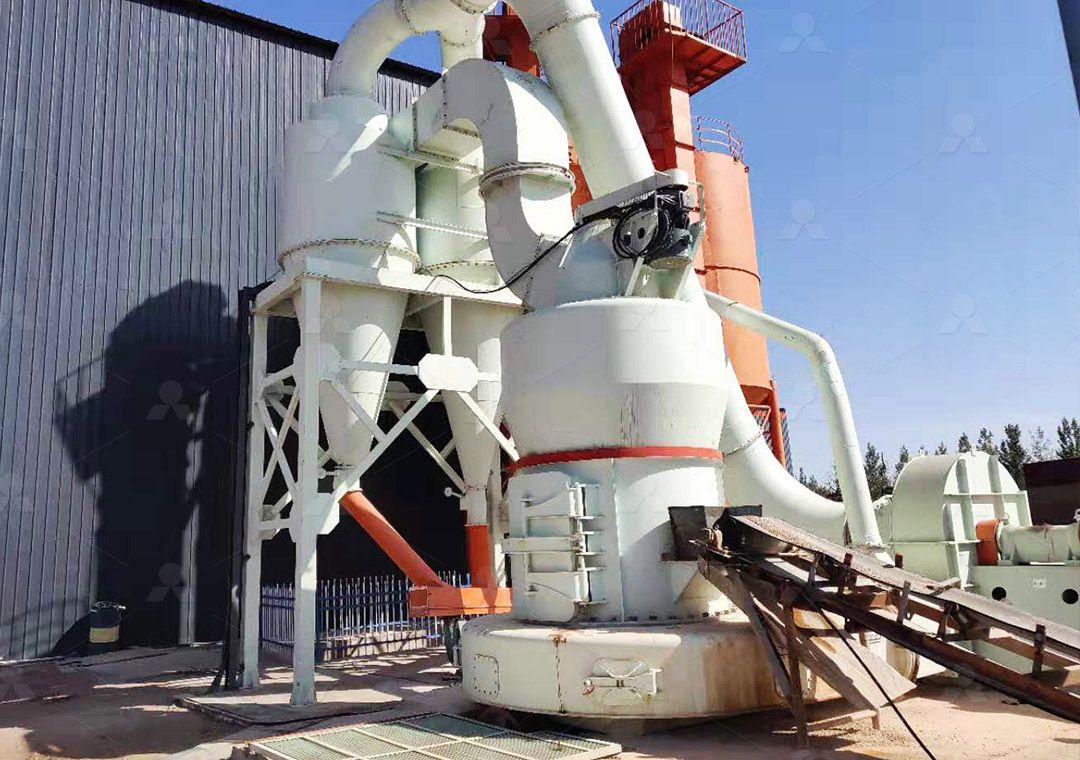
For clients focused on high-capacity production of ultra-fine bentonite powder, our MW Ultrafine Grinding Mill is an exceptional choice. This machine is engineered for customers who need to make ultra-fine powder efficiently. With an input size of 0-20 mm and a capacity range of 0.5-25 tons per hour, it’s built for robust performance. Its newly designed grinding curves of the roller and ring enhance efficiency, boasting a production capacity 40% higher than jet mills and double that of ball mills for the same power consumption. Furthermore, its cage-type powder selector allows you to precisely adjust the fineness between 325-2500 meshes, giving you complete control over the product specification and its corresponding throughput rate.
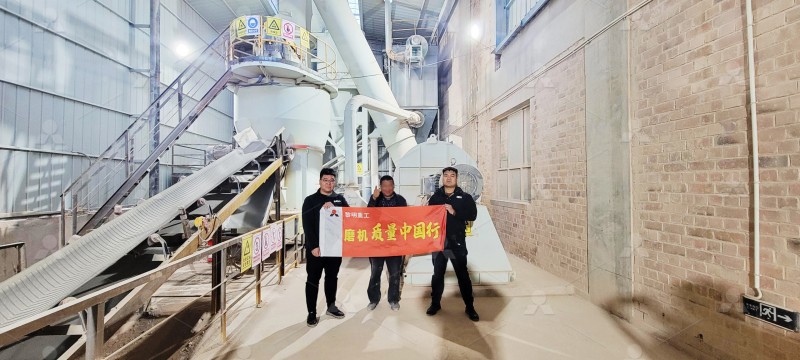
Another standout performer for bentonite is the MTW-Z European Trapezium Mill. This mill is particularly well-suited for bentonite applications (it’s literally listed in its applications!). It features a diluted oil lubrication system for the grinding roller, which is maintenance-free and reduces operating costs. The absence of a shovel blade cylinder in its grinding chamber allows for larger ventilation area and smaller air-conveying resistance, directly boosting grinding efficiency and supporting a capacity range of 3-55 tons per hour with an input size of 0-50mm.
Conclusion: It’s About the Right System
So, what is the crushing capacity of a bentonite mill per hour? It can range from less than 1 tph for ultra-fine processing in small-scale operations to over 50 tph for coarser grinds in large industrial plants. The key to unlocking high, consistent, and efficient hourly output lies not just in a machine, but in a well-designed system and the right technology partner.
At Liming Heavy Industry, we provide more than just machinery; we provide crushing and grinding solutions tailored to your raw material and production goals. By analyzing your bentonite’s properties and your target product specs, we can recommend the optimal mill—whether it’s the MW Series for ultra-fine powder or the MTW-Z Series for high-efficiency grinding—to ensure you achieve your desired hourly capacity and operational efficiency.