
Best Alpaca Fiber Mills in Washington State for Processing Fleece
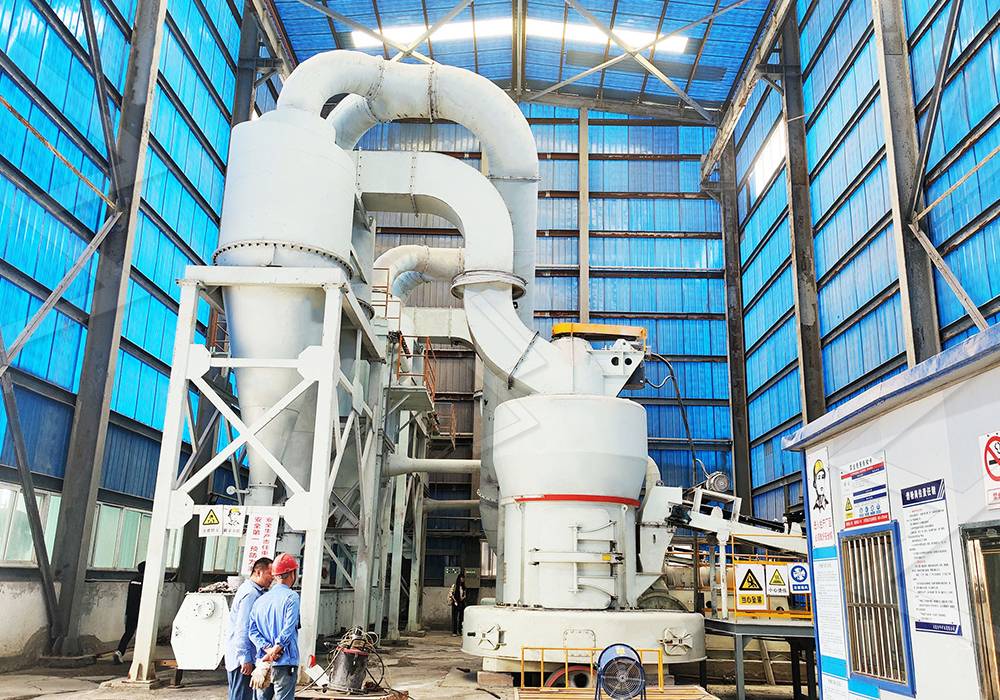
We provide a wide range of mills — including Raymond mill, trapezoidal mill, vertical mill, ultrafine mill, and ball mill, obtained ISO9001 international quality certification, EU CE certification, and Customs Union CU-TR certification. Suitable for processing minerals such as limestone, phosphate, quicklime, kaolin, talc, barite, bentonite, calcium carbonate, dolomite, coal, gypsum, clay, carbon black, slag, cement raw materials, cement clinker, and more.
The discharge range of these mills can be adjusted to meet specific processing needs, typically from 80-400 mesh, 600-3250 mesh, and can achieve the finest particle size of up to 6000 mesh(D50).
If you are looking for a reliable grinding solution to turn stone or minerals into fine powder, please feel free to contact our online customer service.
Finding the Right Mill for Your Alpaca Fleece in the Pacific Northwest
Washington State, with its rich agricultural heritage and thriving community of fiber artists and farmers, is home to some exceptional alpaca fiber processing mills. For alpaca owners and breeders, choosing the right mill is crucial to transforming raw, sometimes coarse fleece into luxurious, market-ready yarn or roving. The process requires specialized equipment that can handle the unique properties of alpaca fiber without damaging its natural softness and luster.
Key Considerations When Choosing a Mill
When evaluating mills in Washington, consider their experience with alpaca specifically. Not all mills handle this specialty fiber well. Look for facilities that offer:
- Gentle processing that maintains staple length
- Thorough cleaning and de-hairing capabilities
- Custom blending options with other fibers
- Transparent pricing and turnaround times
- Eco-friendly processing methods
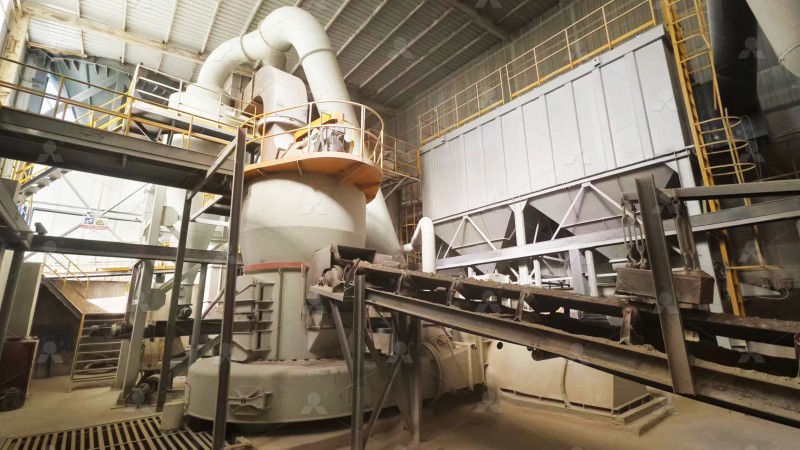
Many Washington mills have embraced advanced technology to improve their processing quality. For operations that also handle by-products or need to process materials for other agricultural purposes, having reliable grinding equipment is essential. We’ve found that our MW Ultrafine Grinding Mill has been particularly valuable for farmers diversifying their operations. With an input size of 0-20 mm and capacity of 0.5-25 tph, it’s perfect for processing various materials that might complement a fiber operation.
Top Washington Mills for Alpaca Fiber
While we don’t endorse specific mills, Washington boasts several highly-regarded facilities known for their expertise with alpaca fiber. These mills typically feature:
- Climate-controlled processing rooms
- Specialized carding equipment for fine fibers
- Small-batch capabilities for boutique producers
- Organic processing certifications
- Local pickup and delivery options
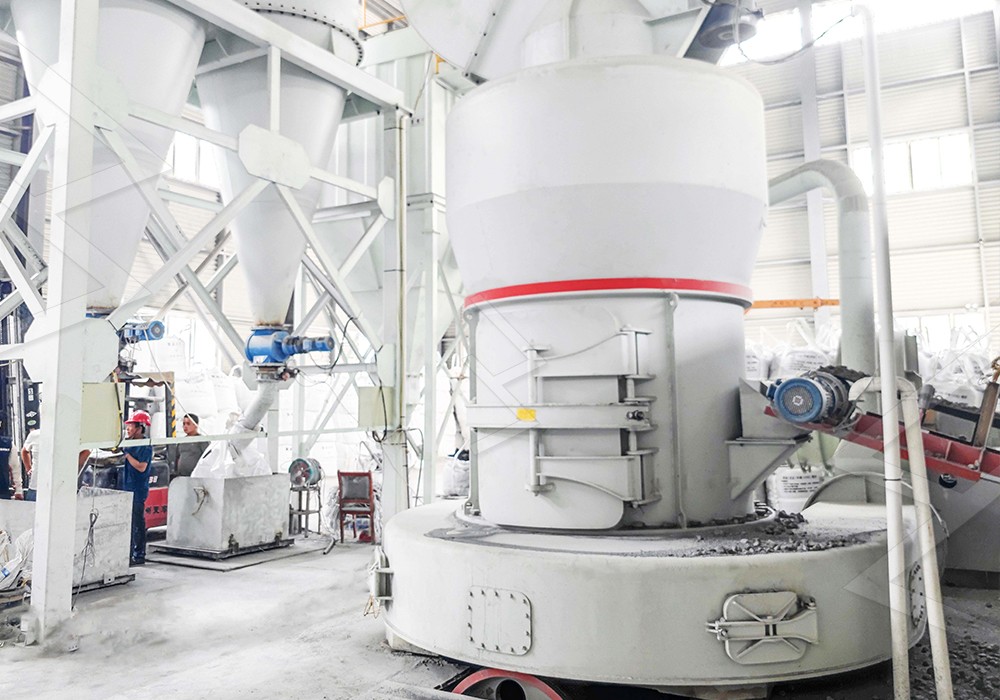
For mills looking to expand their services or farmers needing to process agricultural materials, our LUM Ultrafine Vertical Grinding Mill offers exceptional efficiency. Independently designed with the latest grinding roller technology, it handles materials from 0-10 mm at 5-18 tph capacity, making it ideal for various processing needs beyond fiber production.
Why Washington Mills Stand Out
The best Washington mills understand the particular needs of alpaca fiber—they know how to handle different micron counts, how to minimize noil production, and how to create consistent blends. Their expertise often comes from years of working directly with alpaca breeders and understanding the unique characteristics of this luxurious fiber.
Preparing Your Fleece for Mill Processing
To get the best results from any mill, proper fleece preparation is essential. Washington mills typically recommend:
- Skirting thoroughly to remove vegetation and debris
- Keeping fleeces from different animals separate
- Providing clear instructions for your desired end product
- Communicating any special handling requirements
Whether you’re processing a few pounds of fiber or several hundred, Washington’s mills offer the expertise and equipment needed to transform raw alpaca fleece into beautiful, marketable products. The combination of traditional craftsmanship and modern technology makes the state’s fiber processing industry truly exceptional.