
Water Slag Grinding Mill Operation Video: Process & Equipment Overview
We provide a wide range of mills — including Raymond mill, trapezoidal mill, vertical mill, ultrafine mill, and ball mill, obtained ISO9001 international quality certification, EU CE certification, and Customs Union CU-TR certification. Suitable for processing minerals such as limestone, phosphate, quicklime, kaolin, talc, barite, bentonite, calcium carbonate, dolomite, coal, gypsum, clay, carbon black, slag, cement raw materials, cement clinker, and more.
The discharge range of these mills can be adjusted to meet specific processing needs, typically from 80-400 mesh, 600-3250 mesh, and can achieve the finest particle size of up to 6000 mesh(D50).
If you are looking for a reliable grinding solution to turn stone or minerals into fine powder, please feel free to contact our online customer service.
Water Slag Grinding Mill Operation Video: Process & Equipment Overview
Ever wondered how industrial by-products like water slag get transformed into valuable construction materials? A well-shot operation video can be incredibly revealing, showing the entire process from raw material to finished powder. Let’s break down what you’d typically see in a comprehensive water slag grinding mill video and the key equipment involved.
The Grinding Process: A Step-by-Step Look
A typical video starts with the raw water slag, a glassy, granular material that is a by-product of blast furnaces. The material is first fed into a crusher to reduce its size to a manageable level, usually below 20mm. From there, a vibrating feeder transfers it evenly into the grinding chamber. This is where the real magic happens. Inside the mill, rollers or balls exert tremendous pressure on the slag, crushing and grinding it against a stationary ring or table. The video would show how the centrifugal force causes the material to move outward, being ground finer and finer as it passes under the rollers.
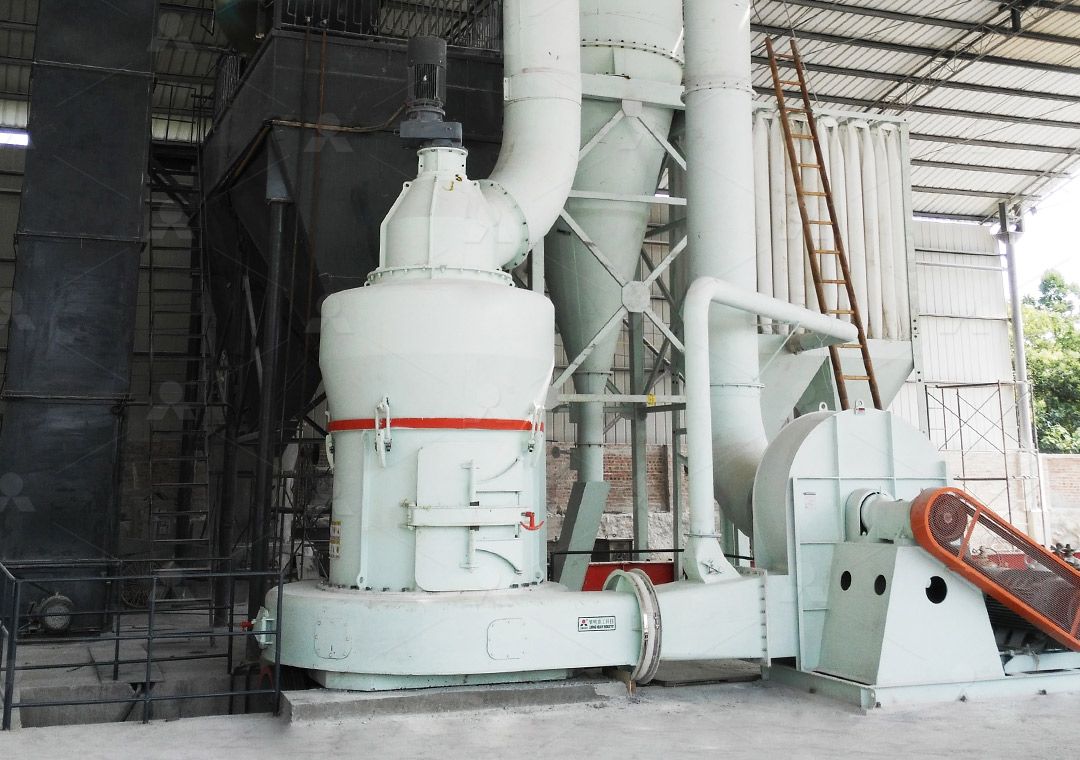
After grinding, the powdered slag is carried upward by a stream of air generated by a large blower. This is a critical phase. The air stream carries the fine particles into a high-efficiency separator, often a cage-type or rotor-type classifier. Here, the video would demonstrate how the separator works: coarse particles are rejected and fall back into the grinding chamber for further milling, while the perfectly fine powder continues with the air flow. The final product is then collected in a cyclone powder collector or a baghouse dust collector, ensuring minimal waste and high product yield.
Essential Equipment in the System
It’s not just about the main mill. A complete grinding line is a symphony of coordinated machinery. The jaw crusher for initial size reduction, the bucket elevator for vertical transport, and the vibrating feeder for consistent material flow are all stars in their own right. However, the heart of the operation remains the grinding mill itself. The efficiency, fineness, and overall cost of operation hinge on its design.
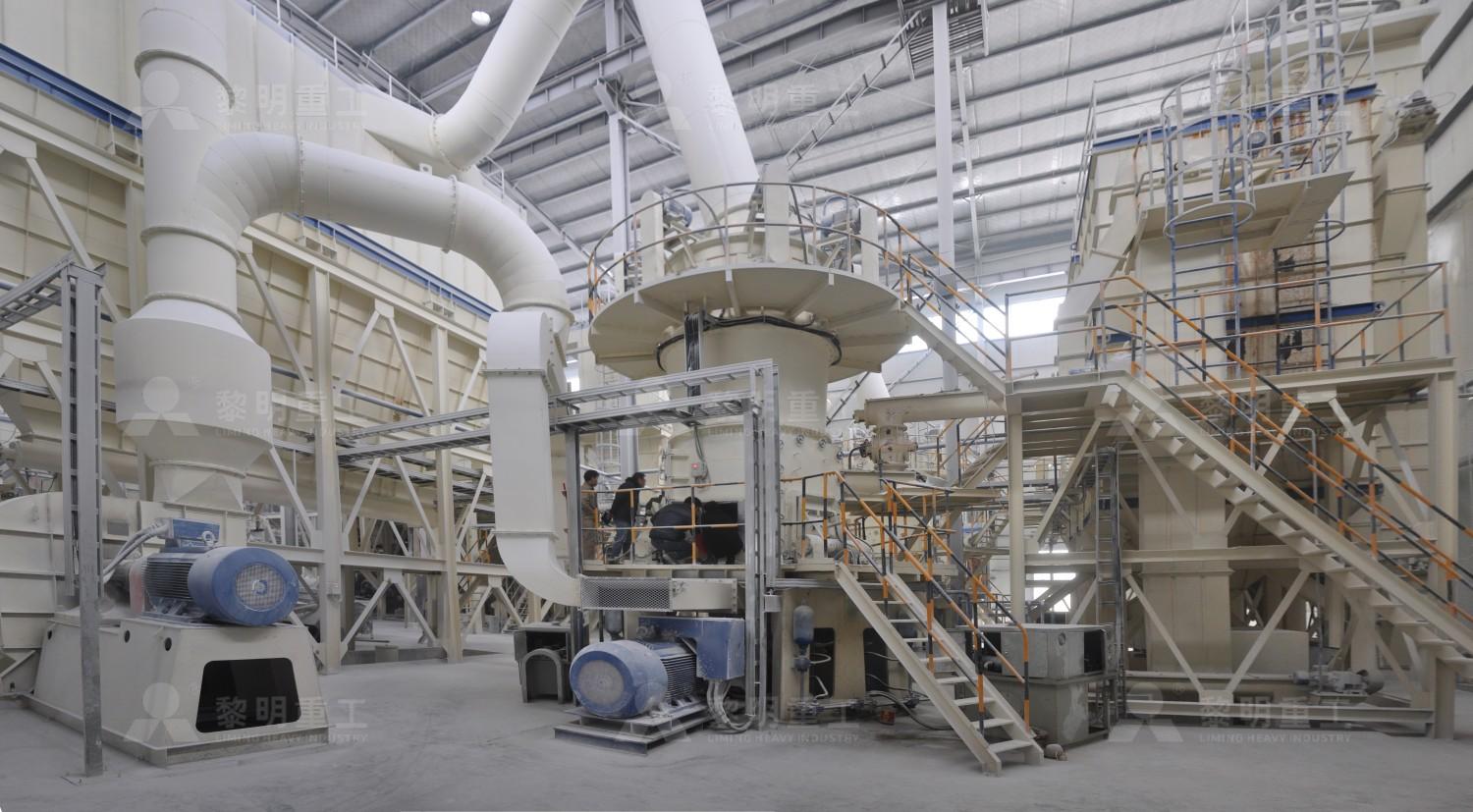
For processing abrasive materials like water slag, reliability and low maintenance are non-negotiable. This is where our MW Ultrafine Grinding Mill truly excels. Designed for customers needing ultra-fine powder, this machine is a workhorse. With an input size of 0-20 mm and a capacity range of 0.5-25 tph, it’s versatile for various project scales. A key feature you’d appreciate is the absence of rolling bearings and screws in the grinding chamber. This brilliant design eliminates worries about bearing failures or loose screws causing downtime – a common headache in other mills. Furthermore, its efficient pulse dust collector and muffler make the entire production process remarkably clean and quiet, meeting strict environmental standards without sacrificing performance.
Why Operation Videos Matter
Watching a video isn’t just about seeing equipment move; it’s about understanding the flow, the scale, and the precision engineering involved. You can observe the stability of the mill, the consistency of the powder output, and the overall cleanliness of the operation. For those considering a new installation or an upgrade, seeing our LUM Ultrafine Vertical Grinding Mill in action could be the deciding factor. It integrates grinding, grading, and transporting into a single, compact unit. Its unique roller shell and lining plate grinding curve are designed to easily generate a material layer, enabling a high rate of finished product in a single pass. This means higher efficiency and better product whiteness. With an input size of 0-10 mm and capacity of 5-18 tph, it’s another superb choice for precision slag processing.
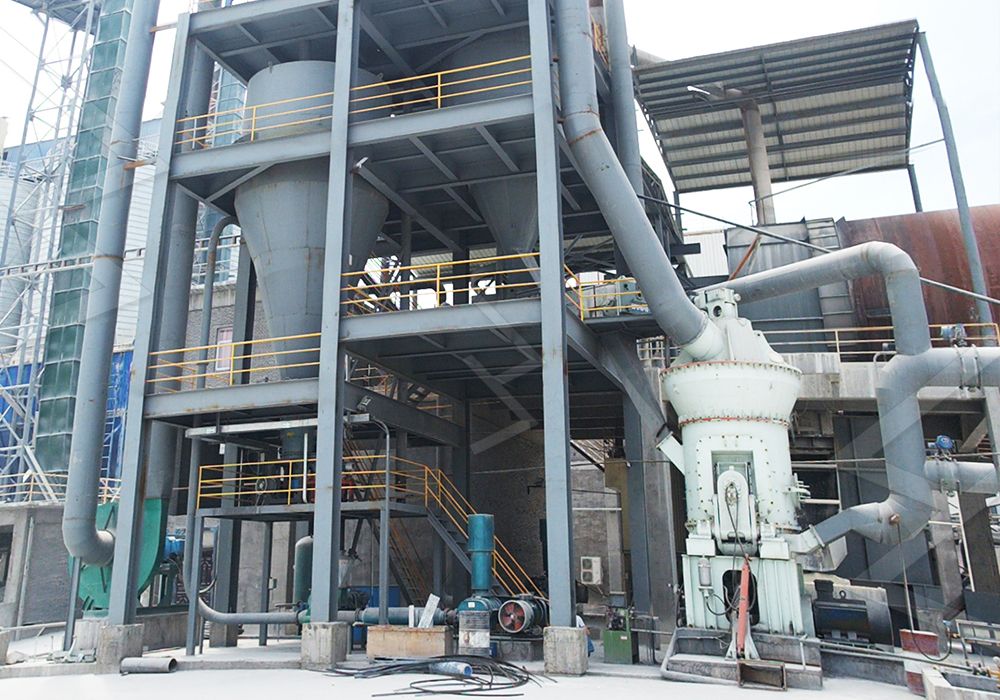
In conclusion, a detailed operation video provides unparalleled insight into the grinding process. It highlights the importance of each equipment component and showcases the technological advancements in modern mills like our MW and LUM series. When choosing equipment, prioritize reliability, energy efficiency, and environmental compliance – features that are clearly visible in a well-documented operational overview.