
Intelligently Controlled Kaolin Mill: Optimizing Particle Size and Production Efficiency
We provide a wide range of mills — including Raymond mill, trapezoidal mill, vertical mill, ultrafine mill, and ball mill, obtained ISO9001 international quality certification, EU CE certification, and Customs Union CU-TR certification. Suitable for processing minerals such as limestone, phosphate, quicklime, kaolin, talc, barite, bentonite, calcium carbonate, dolomite, coal, gypsum, clay, carbon black, slag, cement raw materials, cement clinker, and more.
The discharge range of these mills can be adjusted to meet specific processing needs, typically from 80-400 mesh, 600-3250 mesh, and can achieve the finest particle size of up to 6000 mesh(D50).
If you are looking for a reliable grinding solution to turn stone or minerals into fine powder, please feel free to contact our online customer service.
Intelligently Controlled Kaolin Mill: Optimizing Particle Size and Production Efficiency
In the world of industrial minerals, kaolin stands out for its versitility and widespread application. From paper coating and ceramics to plastics and paints, the demand for high-purity, precisely sized kaolin powder is ever-growing. However, achieving the optimal particle size distribution while maintaining production efficiency presents a significant challenge for many operations. Traditional milling methods often fall short, plagued by inconsistent output, high energy consumption, and excessive maintenance downtime. The key to unlocking superior product quality and operational profitability lies in the adoption of intelligently controlled grinding technology.
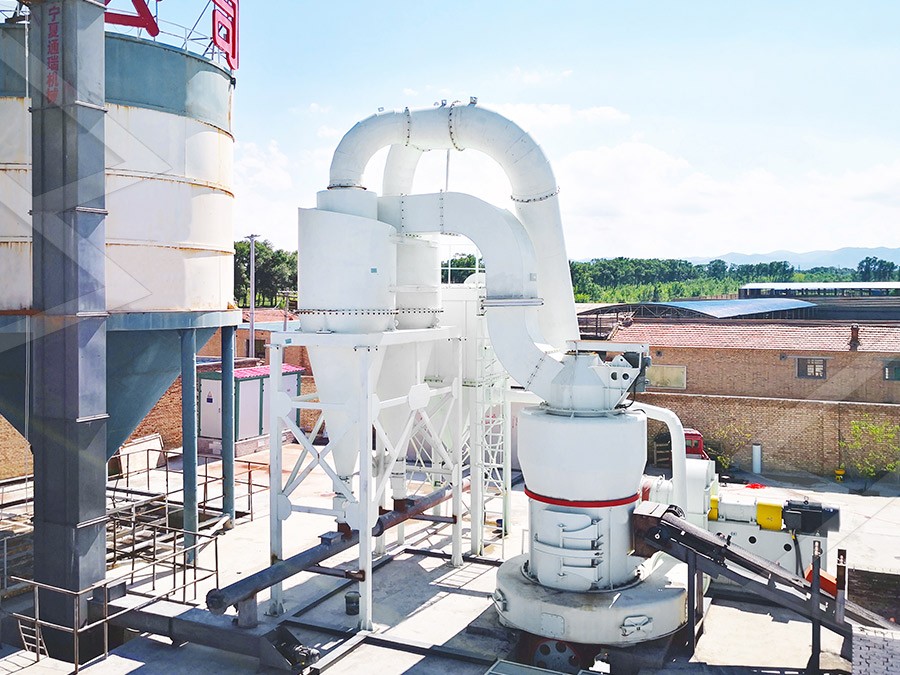
The heart of a modern kaolin processing plant is its grinding mill. Unlike conventional ball mills, which can be inefficient and offer limited control over fineness, advanced mills leverage digital automation and sophisticated mechanical design. These systems utilize programmable logic controllers (PLCs) to precisely adjust grinding pressure, rotational speed, and classifier settings in real-time. This allows operators to dial in exact particle size specifications, often between 325 and 2500 meshes, with remarkable consistency. The result is a product that meets stringent quality standards batch after batch, reducing waste and enhancing the value of the final product.
Beyond Consistency: The Efficiency Dividend
Intelligent control isn’t just about quality; it’s a major driver of operational efficiency. Modern mills are engineered for higher yielding and lower energy consumption. For instance, newly designed grinding curves for rollers and rings significantly enhance grinding efficiency. Some advanced models can achieve production capacities 40% higher than jet mills or stirred grinding mills for the same power input. Furthermore, features like external lubrication systems allow for maintenance without shutdowns, enabling continuous 24/7 production and maximizing plant uptime.
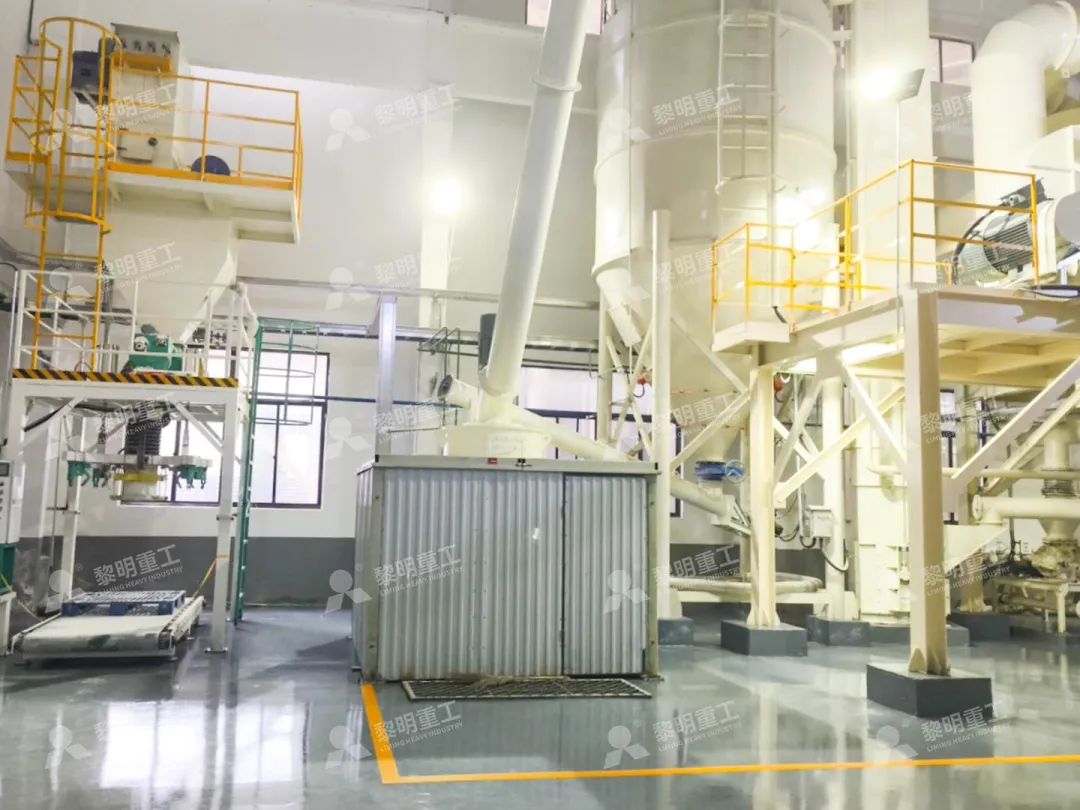
For operations focused on ultra-fine kaolin powder, we highly recommend considering our MW Ultrafine Grinding Mill. This machine is specifically designed for customers needing to make ultra-fine powder. It boasts a cage-type powder selector with German technology, effectively increasing the precision of powder separation and allowing adjustable fineness between 325-2500 meshes. A significant advantage for kaolin processing is its design: there are no rolling bearings or screws in the grinding chamber. This eliminates worries about damage to these components and prevents machine failure from loose screws, a common headache in abrasive applications. With an input size of 0-20 mm and a capacity range of 0.5-25 tph, it’s an ideal solution for high-precision kaolin production. It’s also equipped with an efficient pulse dust collector and muffler, making the entire production process more environmentally friendly—a critical consideration today.
The Role of Advanced Classifier Technology
An often-overlooked aspect of particle size optimization is the powder separator. Intelligently controlled mills often employ multi-head cage-type powder selectors. This technology completely solves the problems of high-precision cutting of powder diameter and fast switching between different production demands. By accurately controlling the rotating speed of the separator’s rotor, operators can effortlessly shift the fineness of the final product, offering tremendous flexibility to meet varying customer specifications without costly mechanical changes or prolonged downtime.
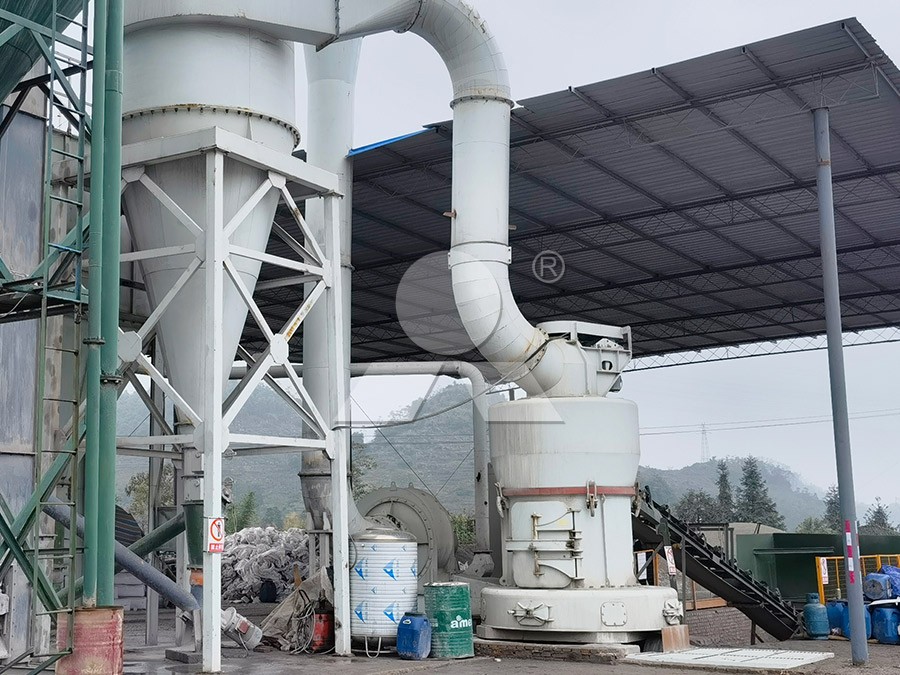
Another excellent option for kaolin processing is our LUM Ultrafine Vertical Grinding Mill. It integrates ultrafine powder grinding, grading, and transporting into a single, compact unit. Its unique roller shell and lining plate grinding curve design makes it easier to generate a stable material layer, enabling a high rate of finished product in a single pass. This enhances whiteness and cleanliness—key quality metrics for kaolin. It also features double position-limiting technology, which protects the mill from destructive impacts caused by vibration, ensuring remarkable operational stability. With an input size of 0-10 mm and a capacity of 5-18 tph, it represents a robust and reliable choice for producing superior kaolin powders.
Conclusion: The Smart Path Forward
Transitioning to an intelligently controlled milling system is no longer a luxury but a necessity for kaolin producers aiming to compete in a demanding global market. The synergy of advanced mechanical engineering and digital control systems delivers unparalleled control over particle size, dramatically reduces energy consumption, and minimizes operational interruptions. By investing in technology like the MW or LUM series mills, operations can achieve new levels of product quality, efficiency, and environmental sustainability, future-proofing their business for years to come.