Aluminium Foil Cold Rolling Mill Manufacturers in Germany: Technology and Quality Standards
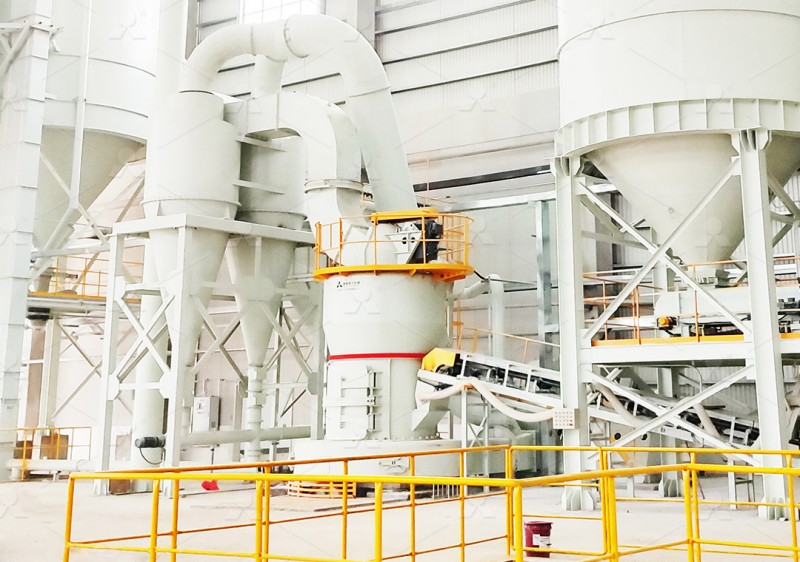
We provide a wide range of mills — including Raymond mill, trapezoidal mill, vertical mill, ultrafine mill, and ball mill, obtained ISO9001 international quality certification, EU CE certification, and Customs Union CU-TR certification. Suitable for processing minerals such as limestone, phosphate, quicklime, kaolin, talc, barite, bentonite, calcium carbonate, dolomite, coal, gypsum, clay, carbon black, slag, cement raw materials, cement clinker, and more.
The discharge range of these mills can be adjusted to meet specific processing needs, typically from 80-400 mesh, 600-3250 mesh, and can achieve the finest particle size of up to 6000 mesh(D50).
If you are looking for a reliable grinding solution to turn stone or minerals into fine powder, please feel free to contact our online customer service.
Aluminium Foil Cold Rolling Mill Manufacturers in Germany: Technology and Quality Standards
Germany has long been synonymous with precision engineering, innovation, and uncompromising quality in the manufacturing sector. When it comes to aluminium foil cold rolling mills, German manufacturers set the global benchmark for technological advancement and reliability. These mills are critical in producing ultra-thin, high-strength aluminium foil used in packaging, electronics, and aerospace industries. The cold rolling process involves passing aluminium sheets through multiple rollers at room temperature to achieve the desired thickness, surface finish, and mechanical properties. German engineering excels in this domain, integrating automation, precision control systems, and energy-efficient designs to ensure optimal performance.
One of the key technological highlights is the use of advanced hydraulic gap control (AGC) systems, which maintain consistent thickness tolerances within microns. Coupled with shape control systems, these mills produce foil with uniform flatness, essential for high-speed packaging lines. German manufacturers also prioritize sustainability, incorporating regenerative braking systems to recover energy during deceleration and using eco-friendly coolants and lubricants. The build quality is exceptional, with robust frames, carbide-coated rollers, and predictive maintenance features that minimize downtime. Quality standards adhere to stringent DIN and ISO certifications, ensuring every mill meets safety, performance, and environmental regulations.
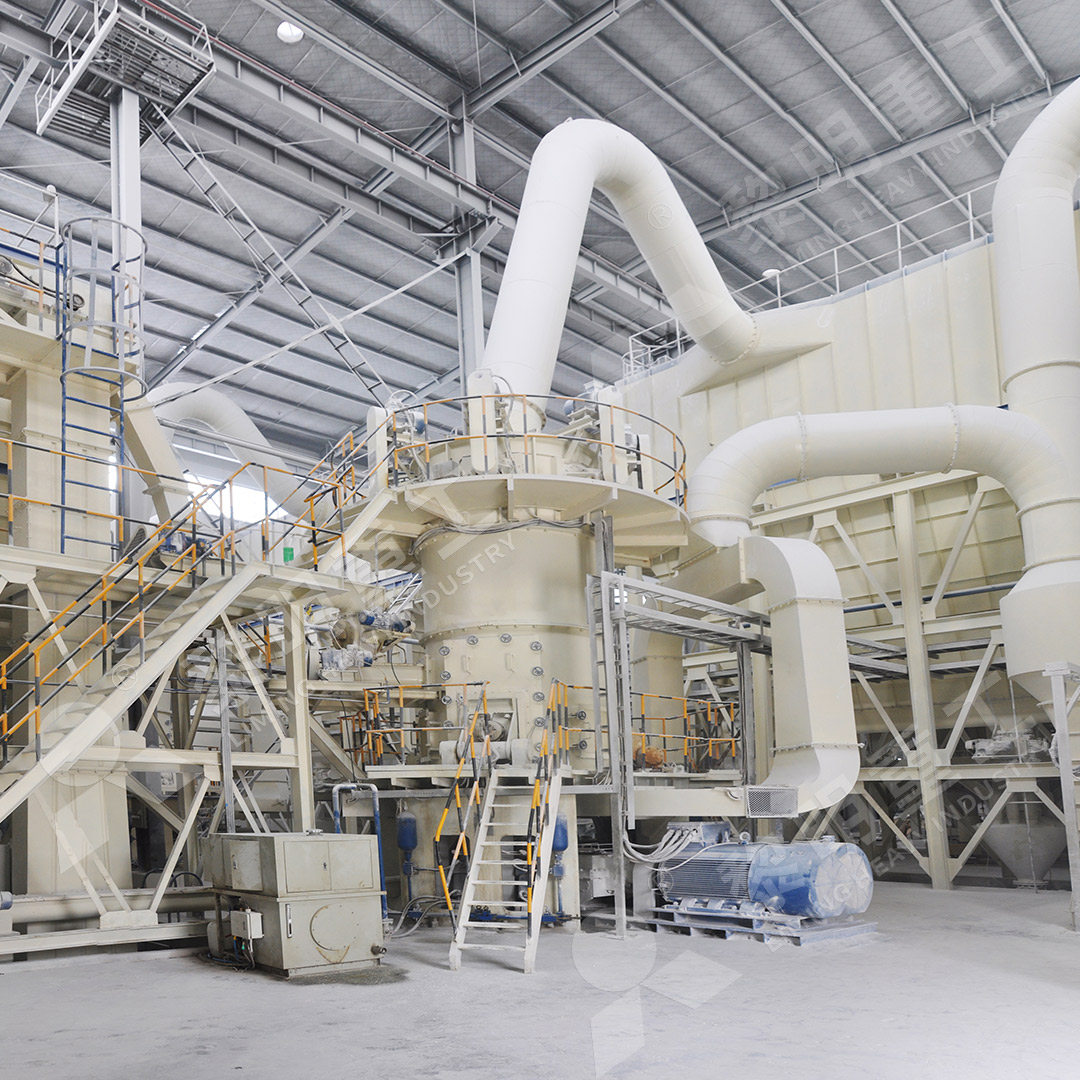
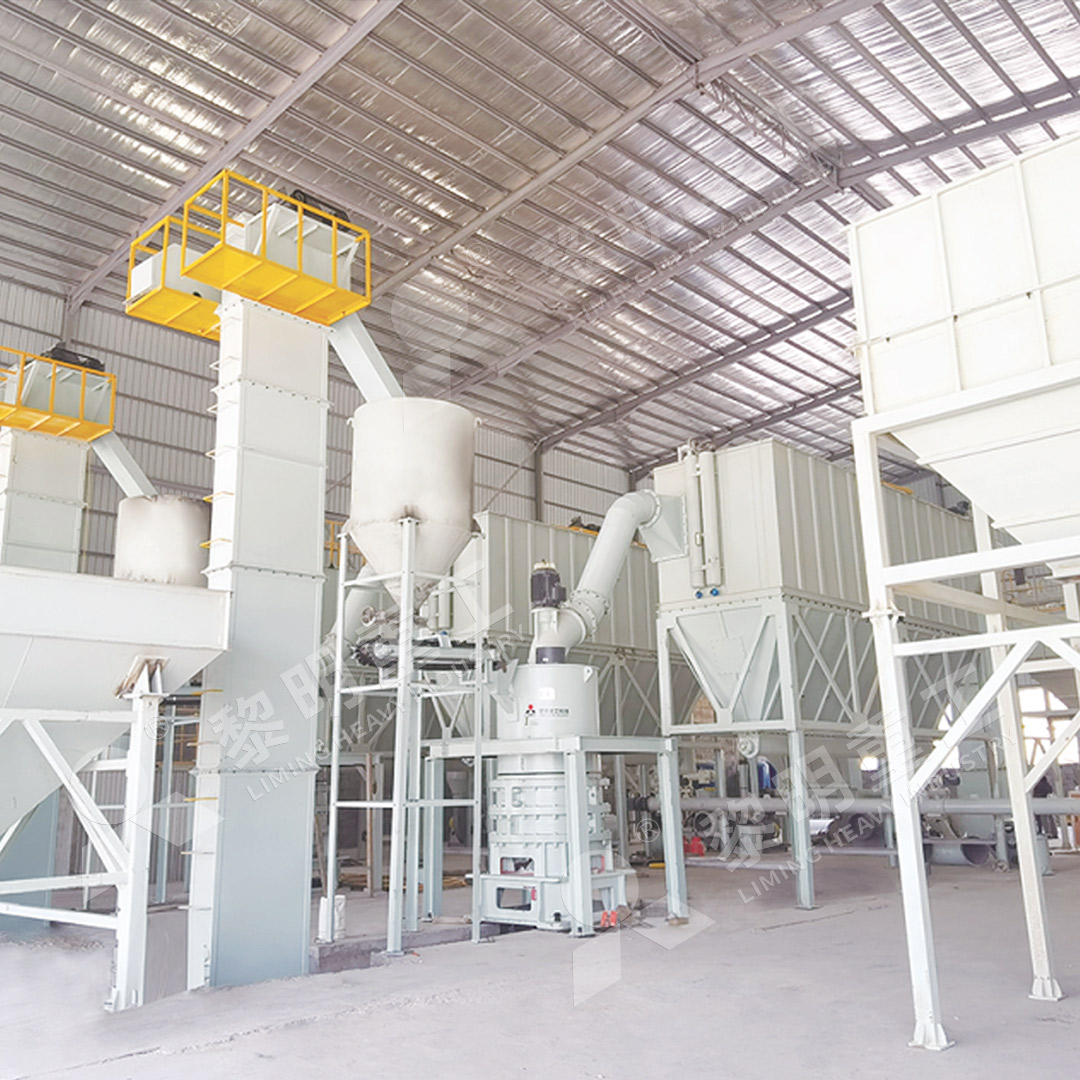
In parallel, industries reliant on fine powder processing, such as coatings, cosmetics, and chemicals, require equally advanced grinding solutions. For instance, the MW Ultrafine Grinding Mill is a standout equipment designed for producing ultra-fine powders with high efficiency. With an input size of 0-20 mm and a capacity ranging from 0.5 to 25 tph, it handles materials like limestone, calcite, and barite effortlessly. Its innovative features, such as higher yielding with 40% increased capacity compared to jet mills and adjustable fineness between 325-2500 meshes, make it ideal for applications demanding precise particle size distribution. The mill’s dust removal system and muffler ensure eco-friendly operation, aligning with Germany’s emphasis on environmental standards.
Another notable product is the LUM Ultrafine Vertical Grinding Mill, which combines Taiwanese roller technology and German powder separating techniques. It offers energy savings of 30%-50% and features a reversible structure for easier maintenance. With an input size of 0-10 mm and capacity of 5-18 tph, it excels in processing superfine dry powders for non-metal ores, supporting industries that value both quality and sustainability.
German cold rolling mills often incorporate digital twin technology for simulation and optimization, reducing trial runs and material waste. The integration of IoT sensors allows real-time monitoring of roller alignment, temperature, and vibration, ensuring consistent output. As global demand for thinner, lighter aluminium foil grows, German manufacturers continue to lead with R&D in nano-surface treatments and AI-driven predictive analytics. These innovations not only enhance productivity but also reduce carbon footprints, echoing Germany’s commitment to Industry 4.0 and green manufacturing.
In conclusion, the synergy between Germany’s aluminium foil cold rolling mills and auxiliary equipment like ultrafine grinding mills underscores a holistic approach to industrial excellence. By adhering to rigorous quality standards and embracing cutting-edge technology, German manufacturers provide solutions that are both high-performing and environmentally responsible. For businesses seeking reliability in powder processing, the MW and LUM mills represent the pinnacle of innovation, mirroring the precision that defines German engineering.