
Equipment for Crushing Water Slag and Steel Slag into Fine Powder
We provide a wide range of mills — including Raymond mill, trapezoidal mill, vertical mill, ultrafine mill, and ball mill, obtained ISO9001 international quality certification, EU CE certification, and Customs Union CU-TR certification. Suitable for processing minerals such as limestone, phosphate, quicklime, kaolin, talc, barite, bentonite, calcium carbonate, dolomite, coal, gypsum, clay, carbon black, slag, cement raw materials, cement clinker, and more.
The discharge range of these mills can be adjusted to meet specific processing needs, typically from 80-400 mesh, 600-3250 mesh, and can achieve the finest particle size of up to 6000 mesh(D50).
If you are looking for a reliable grinding solution to turn stone or minerals into fine powder, please feel free to contact our online customer service.
Transforming Industrial Byproducts into Valuable Resources
In the metallurgical and steel industries, the generation of slag—specifically water slag and steel slag—is an inevitable byproduct. Traditionally viewed as waste, these materials now represent a significant opportunity for resource recovery and value addition when processed correctly. The key to unlocking this potential lies in advanced crushing and grinding technology that can transform these hard, abrasive materials into ultra-fine powders for use in cement, concrete, and other construction applications.
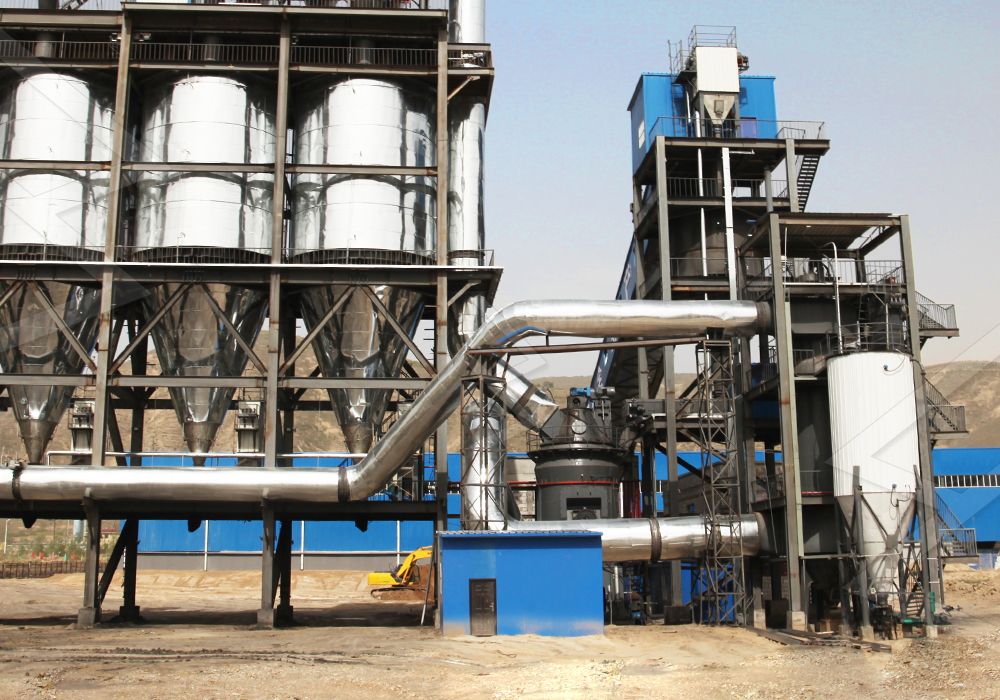
The process of converting slag into a usable powder requires robust, efficient, and precise machinery capable of handling its unique properties. Slag is often highly abrasive and can vary in moisture content, presenting challenges for conventional grinding equipment. This is where specialized milling technology becomes critical.
Core Challenges in Slag Processing
Processing water slag and steel slag into fine powder isn’t without its difficulties. The material’s hardness can cause excessive wear on equipment components, leading to frequent maintenance downtime and high operational costs. Additionally, achieving the consistent fineness required for high-value applications—often between 400-600 Blaine for cement replacement—demands precise control over the grinding process. Energy consumption is another significant concern, as traditional ball mills can be notoriously inefficient for such applications.
Advanced Solutions for Modern Requirements
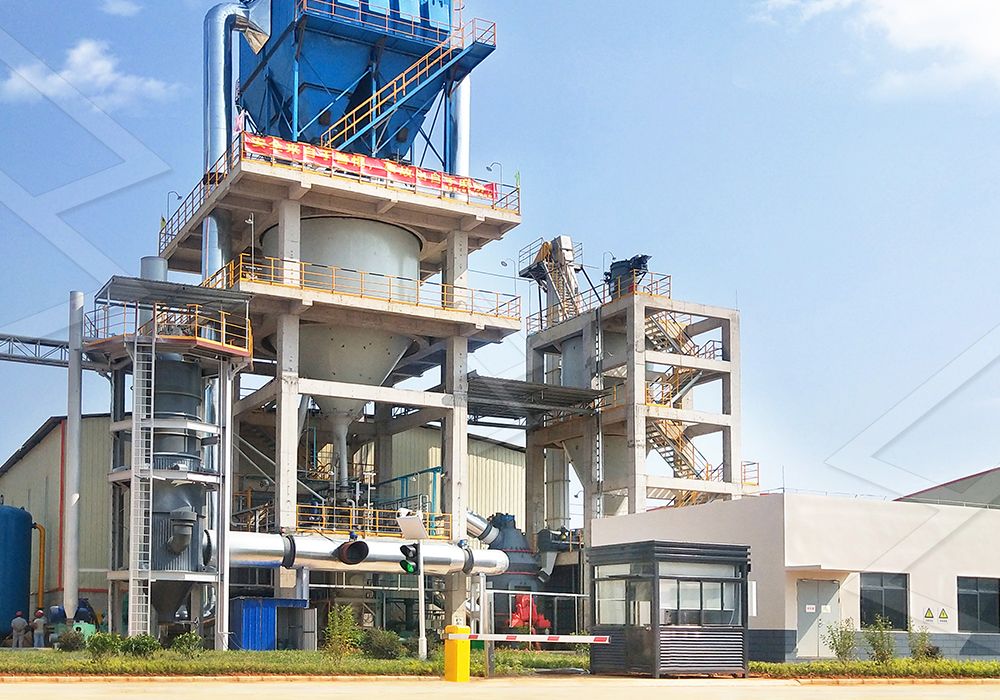
For operations looking to process slag efficiently, we particularly recommend our MW Ultrafine Grinding Mill. This machine represents a significant leap forward in grinding technology, specifically engineered to handle challenging materials like slag. With an input size capacity of 0-20 mm and throughput ranging from 0.5 to 25 tons per hour, it offers remarkable flexibility for various production requirements.
The MW Mill’s innovative design addresses the specific challenges of slag processing. Its higher yielding capacity at lower energy consumption means operations can achieve production rates 40% higher than jet grinding mills while using only 30% of the energy. The adjustable fineness between 325-2500 meshes allows operators to precisely target the optimal powder characteristics for their specific application, whether for concrete enhancement or specialized construction materials.
Environmental and Operational Advantages
Beyond its technical capabilities, the MW Ultrafine Grinding Mill incorporates environmental considerations directly into its design. The integrated efficient pulse dust collector and muffler system effectively contains particulate matter and reduces noise pollution, ensuring operations meet stringent environmental regulations. The absence of rolling bearings and screws in the grinding chamber eliminates common failure points, significantly reducing maintenance requirements and associated downtime.
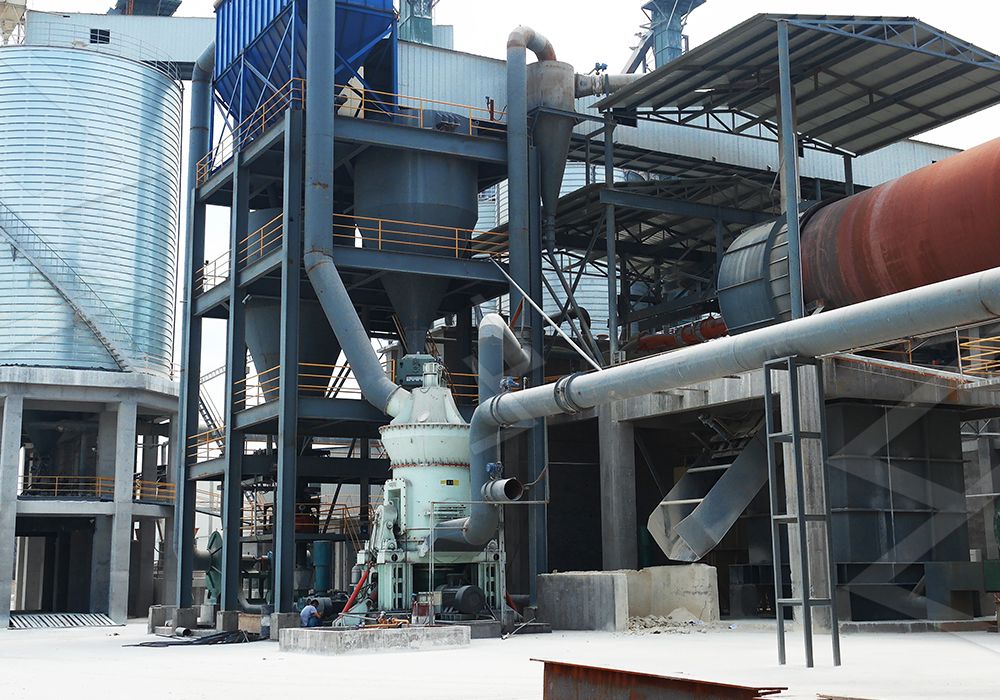
For operations requiring even higher capacity or dealing with particularly challenging slag varieties, our LM Vertical Slag Mill presents an excellent alternative. Specifically designed for industrial waste grinding, this mill integrates drying, grinding, powder selection, and conveying in a single compact system. With capacity ranging from 7-100 tons per hour and handling input sizes of 38-65mm, it’s ideally suited for large-scale slag processing operations.
Practical Applications of Processed Slag Powder
The fine powder produced from slag has found numerous valuable applications, particularly in the construction industry. Processed steel slag powder can serve as an excellent additive in cement production, improving strength and durability while reducing the carbon footprint of concrete. Water slag powder, when finely ground, exhibits pozzolanic properties that make it ideal for partial cement replacement, creating more sustainable building materials without compromising performance.
Making the Right Equipment Choice
Selecting the appropriate grinding equipment for slag processing depends on several factors, including production volume requirements, desired fineness, available space, and budget considerations. Both the MW Ultrafine Grinding Mill and LM Vertical Slag Mill offer distinct advantages for different operational contexts. What remains consistent across both solutions is their commitment to efficiency, reliability, and environmental responsibility—essential qualities for modern industrial operations seeking to transform waste into worth.
As industries continue to prioritize sustainability and circular economy principles, the ability to effectively process industrial byproducts like slag into valuable materials will only grow in importance. Investing in the right crushing and grinding technology today positions operations for both economic and environmental success tomorrow.