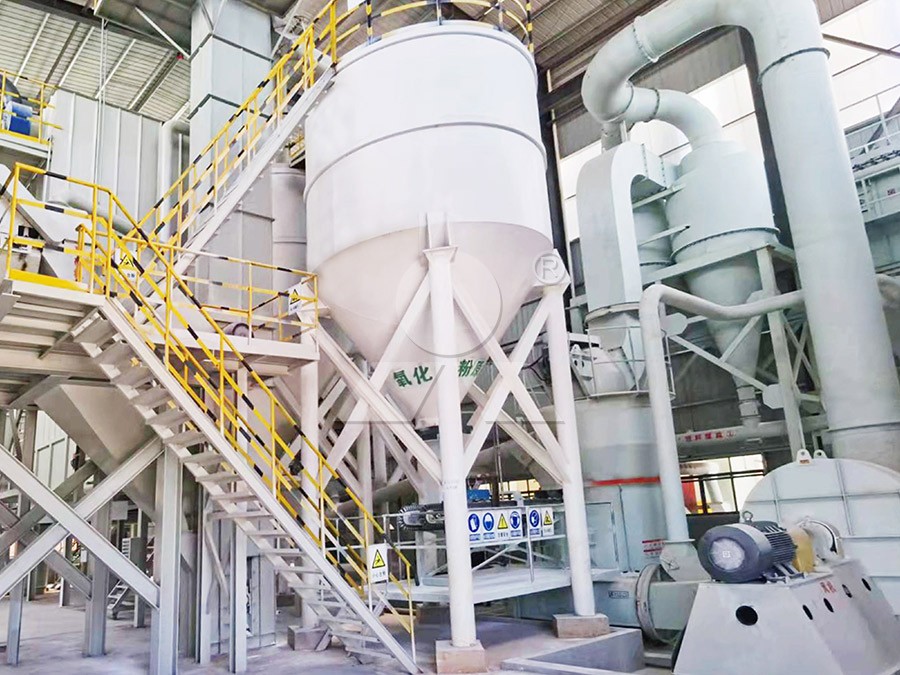
Cattle Feed Mill Equipment Suppliers and Prices in Nigeria
We provide a wide range of mills — including Raymond mill, trapezoidal mill, vertical mill, ultrafine mill, and ball mill, obtained ISO9001 international quality certification, EU CE certification, and Customs Union CU-TR certification. Suitable for processing minerals such as limestone, phosphate, quicklime, kaolin, talc, barite, bentonite, calcium carbonate, dolomite, coal, gypsum, clay, carbon black, slag, cement raw materials, cement clinker, and more.
The discharge range of these mills can be adjusted to meet specific processing needs, typically from 80-400 mesh, 600-3250 mesh, and can achieve the finest particle size of up to 6000 mesh(D50).
If you are looking for a reliable grinding solution to turn stone or minerals into fine powder, please feel free to contact our online customer service.
Cattle Feed Mill Equipment Suppliers and Prices in Nigeria
Nigeria’s livestock sector, particularly cattle rearing, is a significant part of the agricultural economy. To support this industry, efficient and reliable feed production is crucial. Finding the right cattle feed mill equipment suppliers in Nigeria can be a challenge, with factors like price, quality, and after-sales service playing a major role in the decision-making process. This article explores the market landscape and highlights key considerations.
The Importance of Quality Grinding in Feed Production
The core of any feed mill operation is the grinding process. The fineness and consistency of ground grains like maize, sorghum, and soya directly impact animal digestion and nutrient absorption. Investing in a high-performance grinding mill is not an option; it’s a necessity for producing competitive and nutritious feed. Poorly ground feed can lead to wastage and health issues in livestock.
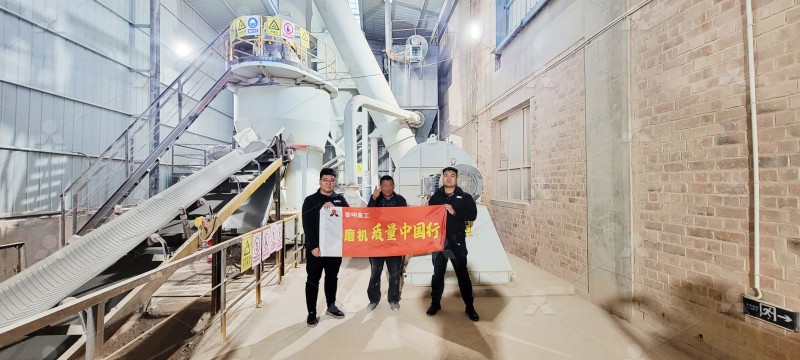
Key Equipment for a Feed Mill Operation
A complete feed mill setup involves more than just a grinder. Key pieces of equipment include:
- Hammer Mills: A common choice for coarse to medium grinding.
- Mixers: For homogenously blending various ingredients and additives.
- Pellet Mills: To compress feed into pellets, which reduce waste and improve handling.
- Coolers & Dryers: To stabilize pellets after the conditioning process.
- Bagging Scales: For accurate weighing and packaging of the final product.
Navigating Prices and Suppliers
Prices for feed mill equipment in Nigeria vary widely based on capacity, automation level, and whether the machinery is imported or locally fabricated. Small-scale hammer mills can start from a few hundred thousand Naira, while fully automated pelletizing lines can run into tens of millions. It’s crucial to partner with suppliers who offer robust technical support and reliable spare parts availability, as downtime directly impacts profitability.
A Superior Solution for Fine Grinding
For operations requiring ultra-fine grinding of ingredients to enhance digestibility, traditional hammer mills may fall short. This is where advanced grinding technology makes a difference. We highly recommend considering our MW Ultrafine Grinding Mill for superior results.
This machine is expertly designed for customers who need to make ultra-fine powder. With an input size of 0-20 mm and a capacity range of 0.5-25 tons per hour, it’s versatile for various feed premixes and additives. It’s equipped with an efficient pulse dust collector and muffler, significantly reducing dust and noise for a cleaner, more environmentally friendly production process—a key advantage for modern mills.
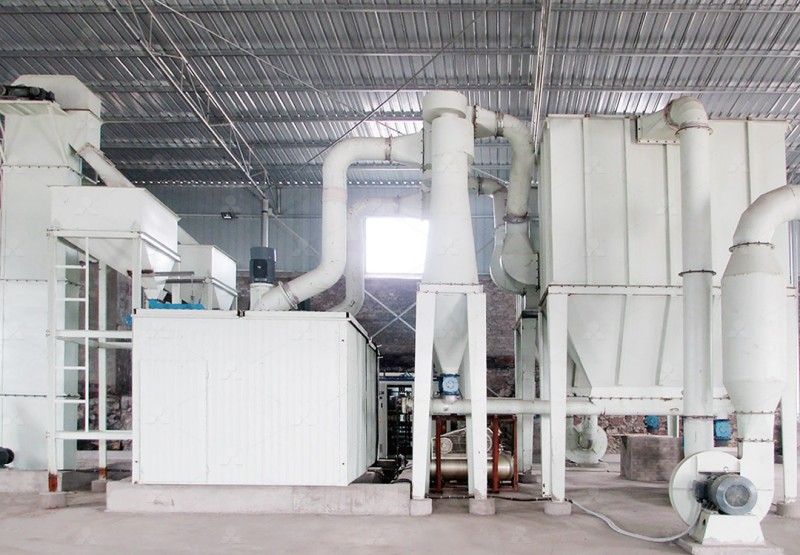
Why Choose the MW Ultrafine Grinding Mill?
- Higher Yielding, Lower Energy Consumption: Its newly designed grinding curves enhance efficiency, offering 40% higher capacity than jet mills while using only 30% of the energy. This translates to lower operational costs.
- Adjustable Fineness: Achieve precise particle sizes between 325-2500 meshes to meet specific nutritional requirements.
- Worry-Free Operation: A key feature is the absence of rolling bearings and screws in the grinding chamber, eliminating common failure points and allowing for external lubrication without shutdown.
For larger-scale operations looking to integrate crushing and grinding, our LM Vertical Grinding Mill is another excellent option. It integrates crushing, drying, grinding, classifying and conveying together, reducing its coverage area by 50% compared to ball mills and saving energy consumption by 30%-40%.
Conclusion
Choosing the right equipment supplier is as important as choosing the equipment itself. Look for companies with a proven track record, strong local presence for service, and a commitment to quality. While initial price is a factor, the total cost of ownership—including energy consumption, maintenance, and durability—should be the primary focus. Investing in advanced and efficient technology like the MW Ultrafine Grinding Mill can provide a significant competitive edge in Nigeria’s growing cattle feed market.