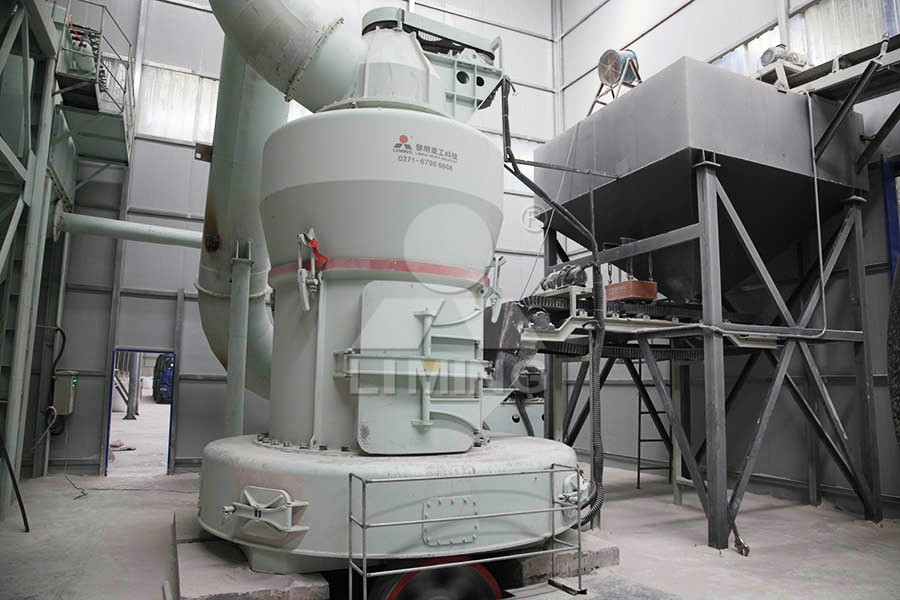
How Often Should Quartz Mill Wear Parts Be Replaced?
We provide a wide range of mills — including Raymond mill, trapezoidal mill, vertical mill, ultrafine mill, and ball mill, obtained ISO9001 international quality certification, EU CE certification, and Customs Union CU-TR certification. Suitable for processing minerals such as limestone, phosphate, quicklime, kaolin, talc, barite, bentonite, calcium carbonate, dolomite, coal, gypsum, clay, carbon black, slag, cement raw materials, cement clinker, and more.
The discharge range of these mills can be adjusted to meet specific processing needs, typically from 80-400 mesh, 600-3250 mesh, and can achieve the finest particle size of up to 6000 mesh(D50).
If you are looking for a reliable grinding solution to turn stone or minerals into fine powder, please feel free to contact our online customer service.
How Often Should Quartz Mill Wear Parts Be Replaced?
This is a question we get asked all the time, and honestly, there’s no single, simple answer. The replacement interval for wear parts like grinding rollers, rings, and liners in a quartz milling operation is not set in stone. It depends on a cocktail of factors: the abrasive nature of your specific quartz feedstock, desired fineness, throughput (tons per hour), and most importantly, the design and quality of the mill itself. Ignoring wear can lead to a dramatic drop in efficiency, inconsistent product quality, and even catastrophic mill failure.
The Main Culprits: Abrasion and Impact
Quartz is tough. With a Mohs hardness of 7, it’s highly abrasive. The primary grinding components bear the brunt of this abrasion, combined with significant impact forces. You’ll typically be looking at replacing things like:
- Grinding Rollers/Roller Shells
- Grinding Rings/Raceways
- Liner Plates
- Shovel Blades (in some mill types)
On average, in a high-volume operation, you might be inspecting these parts every 500-800 hours and potentially replacing them anywhere between 1,200 to 2,500 hours. But this is a very rough estimate. The only way to know for sure is through consistent monitoring of power consumption (it increases as parts wear) and product fineness (it becomes harder to achieve).
Choosing the Right Mill is Half the Battle
You can significantly extend the life of your wear parts and reduce downtime by selecting a mill designed for durability and easy maintenance from the get-go. A poorly designed mill will eat through expensive parts and kill your profitability.
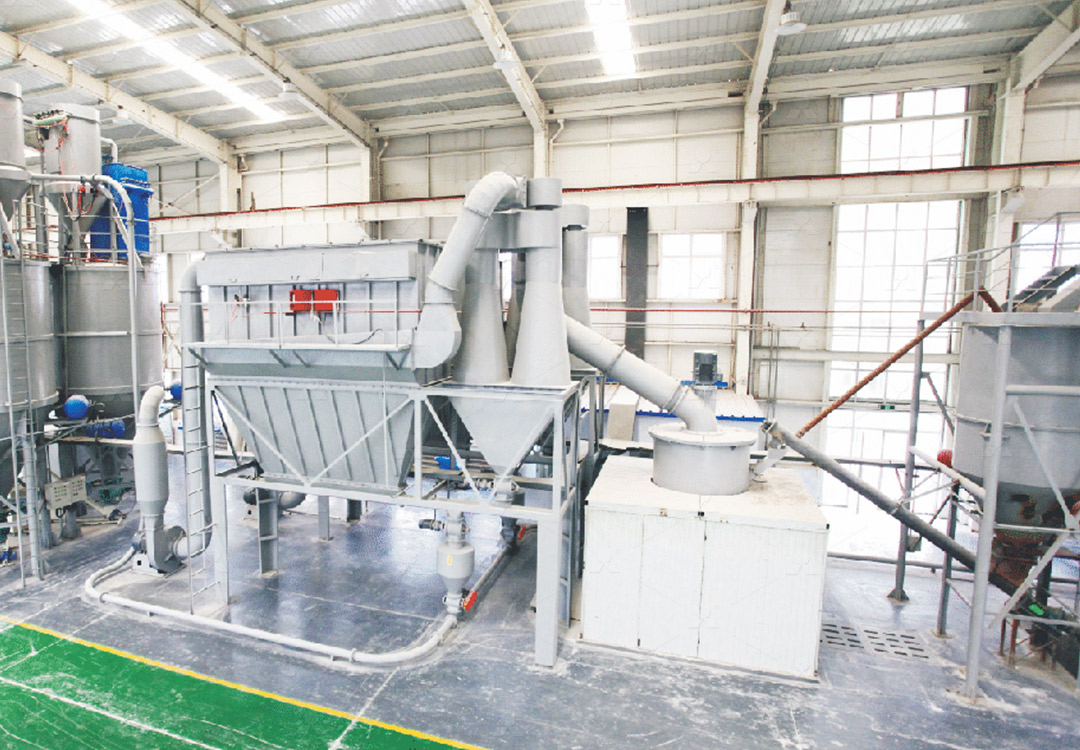
For ultra-fine quartz powder production (325-2500 meshes), we specifically engineered our MW Ultrafine Grinding Mill to adress these very wear and maintenance headaches. Its a game-changer for operations focused on high-value fine powders.
How the MW Mill Reduces Wear and Extends Part Life
- No Bearings or Screws in the Grinding Chamber: This is a huge one. A massive point of failure in many mills is the sealing and failure of bearings within the grinding zone, where quartz dust is an absolute killer. The MW mill’s design eliminates this entirely. The main lubricating device is external, allowing for lubrication without shutdown and worry-free 24/7 operation.
- Superior Material & Precision Engineering: The core wear parts are made from high-performance, wear-resistant alloys. More importantly, they are machined with high-precision CNC equipment, ensuring perfect geometry. A perfectly matched roller and ring profile grinds more efficiently and wears more evenly than a poorly machined set, dramatically increasing their service life.
- Efficient Material Flow: The newly designed grinding curves of the roller and ring enhance grinding efficiency, meaning material is processed faster with less repetitive grinding, reducing unnecessary wear.
What About Heavier-Duty Applications?
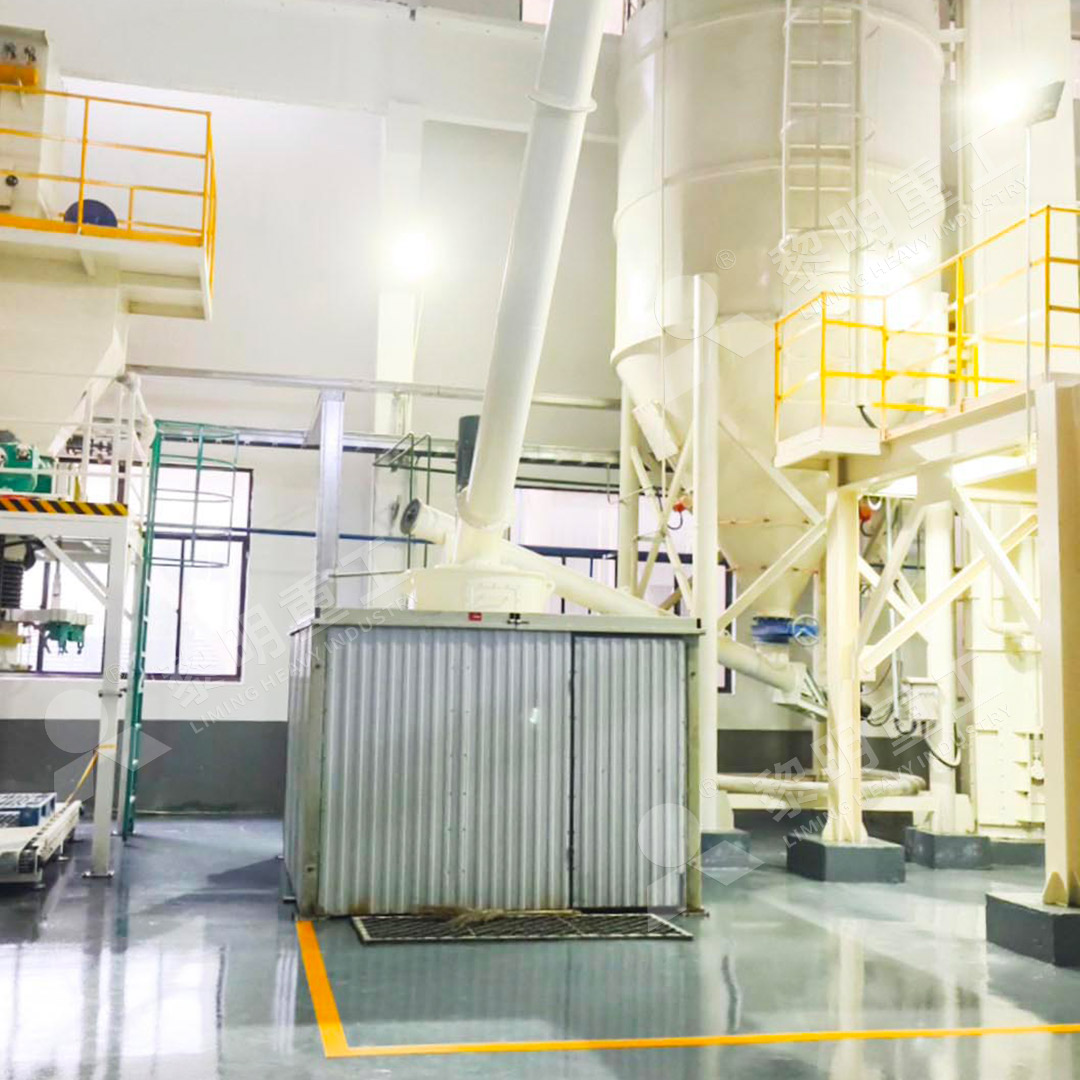
For larger feed sizes (up to 50mm) and high-capacity quartz processing requiring robust reliability, the MTW-Z European Trapezium Mill is another excellent workhorse. Its key feature for wear part longevity is the dilute oil lubrication system for the grinding rollers. This is far superior to traditional grease lubrication, providing better cooling and lubrication, reducing friction and wear, and it’s virtually maintenance-free—no more frequent manual greasing.
Conclusion: Vigilance and Quality
There’s no magic number for replacement intervals. The best practice is to implement a strict, regular inspection schedule based on your mill’s manual and operational data. Track your power draw and product output quality religiously.
Ultimately, the best way to maximize the time between those expensive part changes is to invest in a mill designed for longevity. Choosing a mill like the MW Ultrafine Grinding Mill or the MTW-Z European Trapezium Mill means you’re starting with a stronger, smarter foundation that protects your investment in both the machine and its components, keeping your quartz production running smoothly and profitably for longer.