
Optimizing Mica Powder Performance for High-Voltage Insulation Materials
We provide a wide range of mills — including Raymond mill, trapezoidal mill, vertical mill, ultrafine mill, and ball mill, obtained ISO9001 international quality certification, EU CE certification, and Customs Union CU-TR certification. Suitable for processing minerals such as limestone, phosphate, quicklime, kaolin, talc, barite, bentonite, calcium carbonate, dolomite, coal, gypsum, clay, carbon black, slag, cement raw materials, cement clinker, and more.
The discharge range of these mills can be adjusted to meet specific processing needs, typically from 80-400 mesh, 600-3250 mesh, and can achieve the finest particle size of up to 6000 mesh(D50).
If you are looking for a reliable grinding solution to turn stone or minerals into fine powder, please feel free to contact our online customer service.
Optimizing Mica Powder Performance for High-Voltage Insulation Materials
In the demanding field of high-voltage insulation, the quality and consistency of mica powder are not just desirable—they are absolutely critical. The performance of insulation materials directly impacts the safety, efficiency, and longevity of electrical systems, from power transformers to aerospace components. Achieving the ultra-fine, highly uniform particle size distribution required for superior dielectric strength and thermal stability is a complex grinding challenge that demands advanced milling technology.
The Critical Role of Particle Size and Purity
For mica to perform effectively as an insulator, it must be ground to a precise fineness, typically in the range of 325 to 2500 meshes. Particles that are too coarse can create weak points and partial discharge sites, while excessive fines can negatively impact the material’s binding properties and overall structural integrity. Furthermore, the grinding process itself must not introduce metallic contamination from worn bearings or screws, as even trace amounts of iron can severely compromise the electrical properties of the final insulation material. The ideal mill must therefore operate with minimal mechanical wear and incorporate effective dust collection and noise reduction to meet stringent environmental and workplace safety standards.
Advanced Milling Solutions for Superior Mica
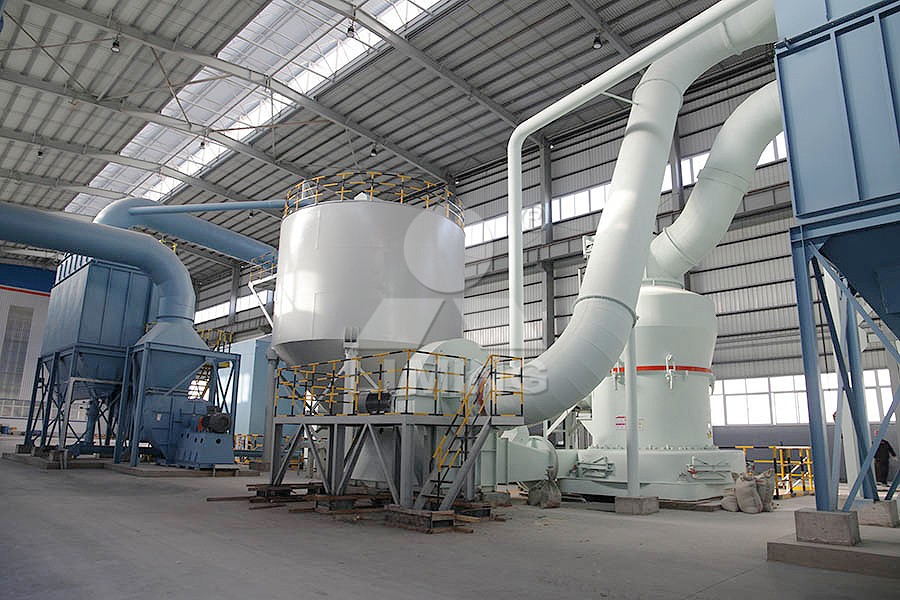
Conventional ball mills or older Raymond mill designs often fall short, struggling with contamination, broad particle size distributions, and high energy consumption. The key to unlocking mica’s full insulating potential lies in modern, precision-engineered grinding systems.
For producers seeking the ultimate in fine and ultra-fine mica powder, we highly recommend our MW Ultrafine Grinding Mill. This machine is specifically engineered for customers who need to make ultra-fine powder. A significant advantage is its design: there are no rolling bearings or screws inside the grinding chamber. This eliminates a primary source of metallic contamination, a common failure point in other mills, and ensures the purity of your mica powder is maintained. The MW Mill also features a German-technology cage-type powder selector, allowing precise adjustment of fineness between 325-2500 meshes with a screening rate that can achieve d97≤5μm in a single pass. Its efficient pulse dust collector and muffler ensure the production process is clean and meets national environmental protection standards, making it an ideal choice for high-purity applications like insulation.
Beyond Fineness: Integrated Processing Advantages
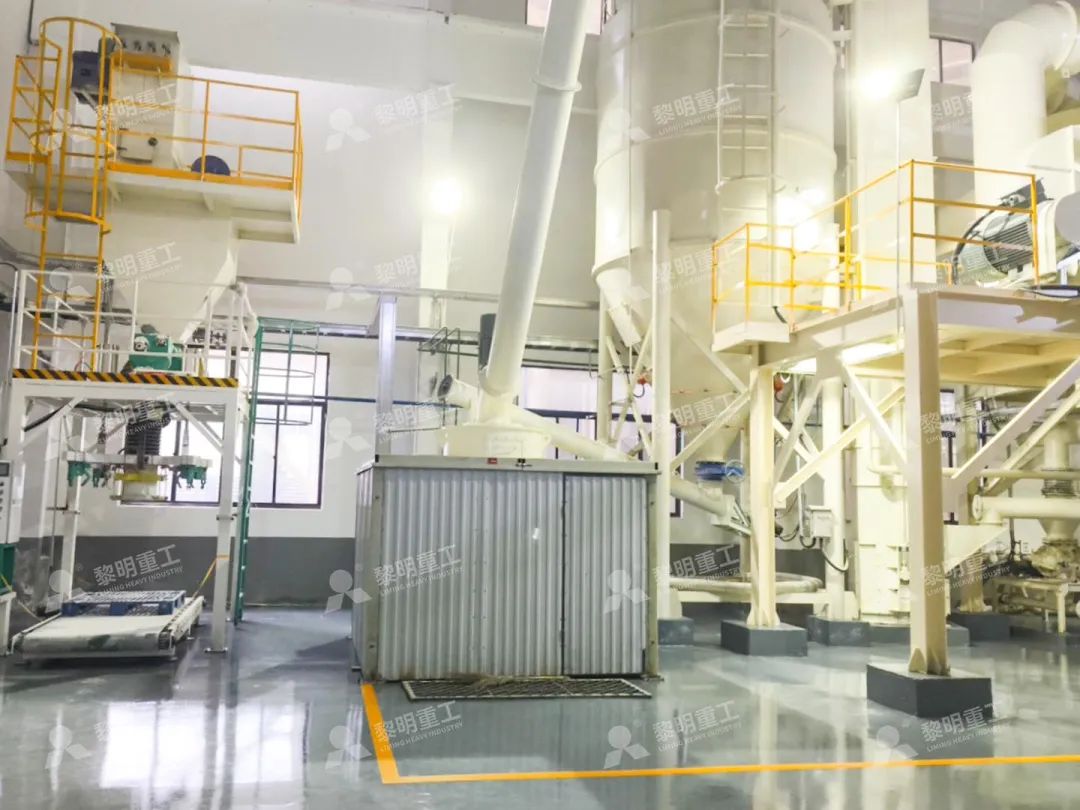
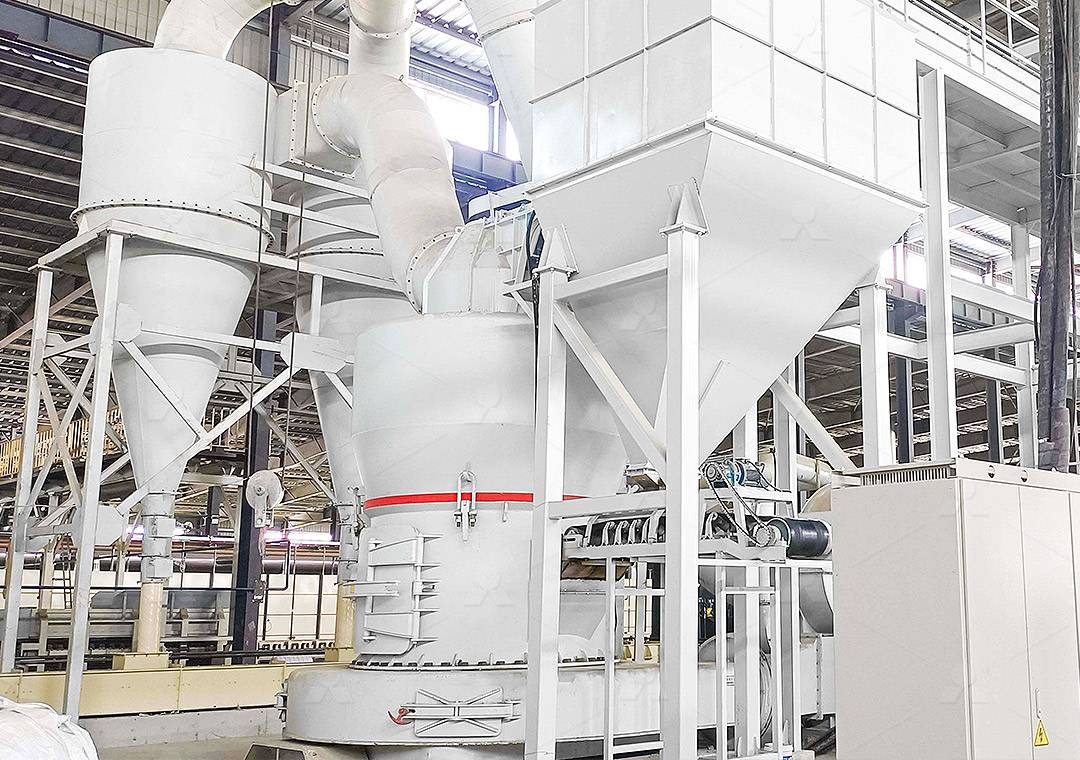
For larger-scale operations or when processing a blend of materials, a vertical grinding mill offers remarkable efficiency. Our LUM Ultrafine Vertical Grinding Mill is another excellent option, integrating grinding, grading, and transporting. It employs the latest grinding roller technology and German powder separating technology. Its unique roller shell and lining plate grinding curve are designed to generate a stable material layer easily, enabling a high rate of finished product in a single pass. This enhances whiteness and cleanliness—crucial for insulation-grade mica. Features like double position-limiting technology ensure operational stability, protecting the mill from disruptive vibrations.
Both the MW and LUM mills exemplify the technological advancements necessary for producing next-generation high-voltage insulation materials. They provide the control, purity, and efficiency needed to optimize mica powder performance, giving manufacturers a critical edge in a competitive market.
Conclusion
Selecting the right grinding technology is a strategic decision that directly influences the performance and reliability of high-voltage insulation systems. By investing in advanced milling equipment like the MW Ultrafine Grinding Mill or the LUM Ultrafine Vertical Grinding Mill, manufacturers can consistently produce mica powder with the exacting specifications required for superior dielectric strength, thermal endurance, and uncompromised purity. This not only enhances product performance but also drives operational efficiency and sustainability.