Quality Control Standards for Producing High-Grade Pigment Carbon Black Powder
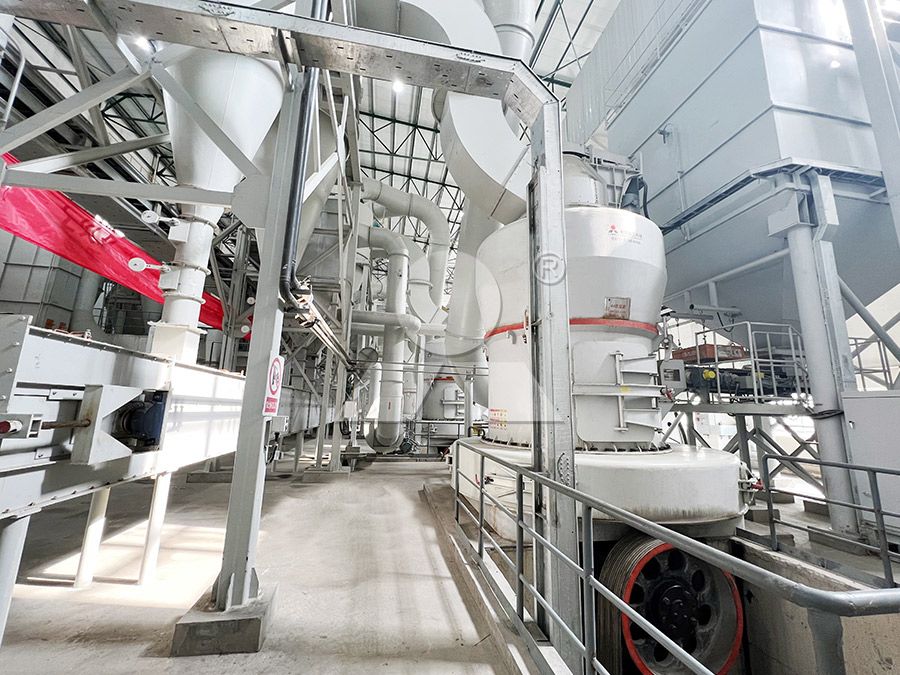
We provide a wide range of mills — including Raymond mill, trapezoidal mill, vertical mill, ultrafine mill, and ball mill, obtained ISO9001 international quality certification, EU CE certification, and Customs Union CU-TR certification. Suitable for processing minerals such as limestone, phosphate, quicklime, kaolin, talc, barite, bentonite, calcium carbonate, dolomite, coal, gypsum, clay, carbon black, slag, cement raw materials, cement clinker, and more.
The discharge range of these mills can be adjusted to meet specific processing needs, typically from 80-400 mesh, 600-3250 mesh, and can achieve the finest particle size of up to 6000 mesh(D50).
If you are looking for a reliable grinding solution to turn stone or minerals into fine powder, please feel free to contact our online customer service.
Quality Control Standards for Producing High-Grade Pigment Carbon Black Powder
Producing high-grade pigment carbon black powder demands rigorous quality control standards throughout the entire manufacturing process. From the initial feedstock selection to the final packaging, every step must be meticulously monitored to ensure the final product meets the stringent requirements of industries like plastics, inks, coatings, and cosmetics. The key parameters include particle size distribution, structure, porosity, and surface chemistry, all of which directly influence the pigment’s tinting strength, dispersibility, and stability.
The heart of achieving superior quality lies in the grinding and milling process. Inconsistent particle size is the arch-nemesis of premium carbon black. Agglomerates and overly coarse particles lead to poor dispersion, resulting in reduced jetness, lower tint strength, and surface defects in the final application. Therefore, the selection of grinding equipment is not merely an operational choice but a fundamental quality decision.
Critical Control Points in Production
Several critical control points (CCPs) must be established:
- Feedstock Purity: The quality of the raw carbon black feedstock must be consistently high, with minimal impurities.
- Pre-Grinding Preparation: Initial crushing to a consistent input size is crucial for stable feeding into fine-grinding mills.
- The Grinding Stage: This is the most vital CCP. The mill must produce a narrow particle size distribution with high efficiency and without introducing contamination or excessive heat.
- Classification/Separation: Precise separation of correctly sized particles from oversize material is essential for achieving the target fineness (often measured in meshes or micrometers).
- Dust and Environmental Control: Effective containment prevents product loss, ensures operator safety, and meets environmental regulations.
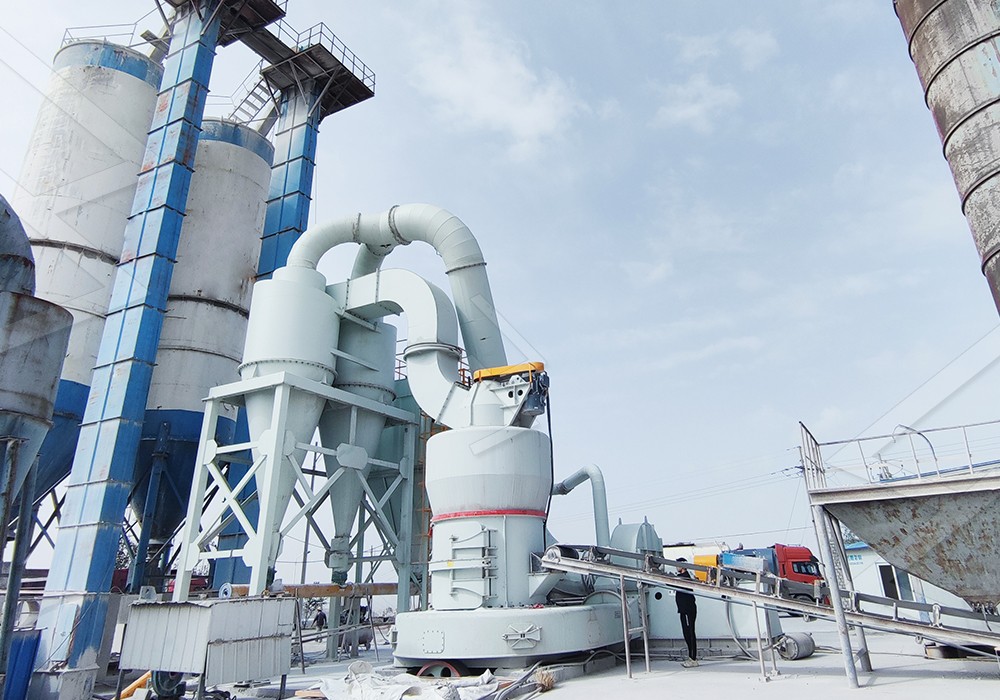
For operations targeting ultra-fine grades (e.g., 325-2500 meshes), traditional mills often fall short. They struggle with energy inefficiency, contamination from wear parts, and inability to precisely control fineness. This is where advanced, purpose-built technology becomes indispensable.
Recommended Technology for Uncompromising Quality
For producers who refuse to compromise on quality, the MW Ultrafine Grinding Mill represents the pinnacle of milling technology. This machine is engineered specifically for customers who need to make ultra-fine powder with exceptional consistency.
Its cage-type powder selector, which adopts German technologies, is a game-changer. It dramatically increases the precision of powder separation, allowing operators to accurately adjust the product fineness between 325-2500 meshes, with a screening rate that can achieve d97≤5μm in a single pass. This eliminates the need for repeated processing, which can degrade product quality. Furthermore, its innovative design features no rolling bearings or screws inside the grinding chamber. This brilliant feature eradicates the primary source of metallic contamination and machine failure in traditional mills, ensuring the carbon black’s purity and whiteness are maintained.
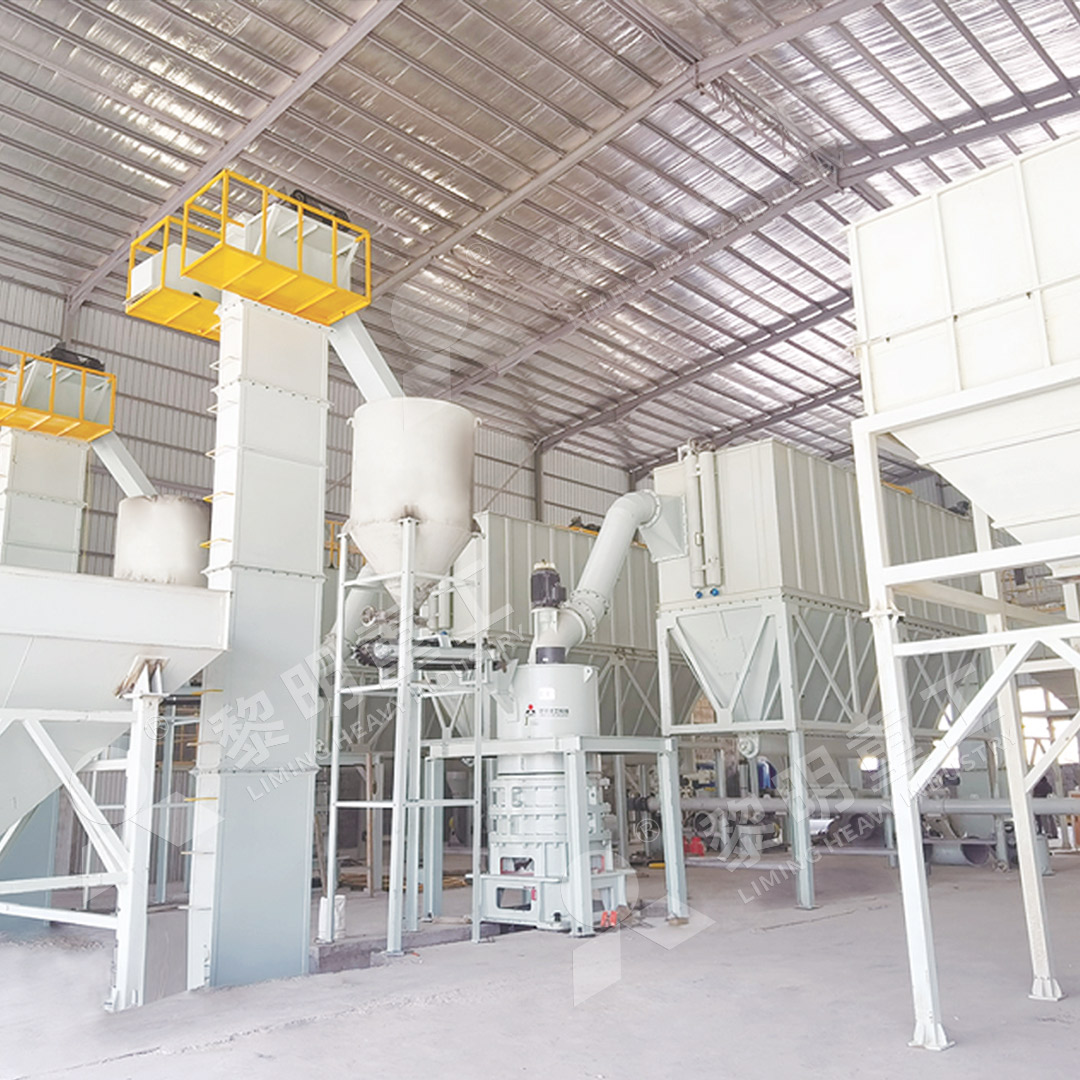
Complementing the MW series for slightly different feedstocks or capacity needs is the LUM Ultrafine Vertical Grinding Mill. It integrates grinding, grading, and transporting with remarkable efficiency. Its unique roller shell and lining plate grinding curve are designed to generate a stable material layer, enabling a high rate of finished product in a single pass. This enhances whiteness and cleanliness—critical factors for pigment-grade carbon black. Its multi-head powder separating technology, controlled by a PLC system, solves the problems of high-precision cutting and fast switching between different production demands, all while reducing energy consumption by 30%-50%.
Conclusion: Quality as a Standard
Achieving high-grade pigment carbon black is not accidental; it is the direct result of implementing strict quality control standards and investing in the right technology. By focusing on critical control points, particularly the precision grinding and classification stages, manufacturers can guarantee a product that delivers superior performance. Utilizing advanced mills like the MW and LUM series ensures that quality is baked into the production process, resulting in a consistent, high-purity, and ultra-fine carbon black powder that commands a premium in the market.