
Rare Earth Waste Molten Salt Slag Grinding Equipment: Selection Guide for Efficient Processing
We provide a wide range of mills — including Raymond mill, trapezoidal mill, vertical mill, ultrafine mill, and ball mill, obtained ISO9001 international quality certification, EU CE certification, and Customs Union CU-TR certification. Suitable for processing minerals such as limestone, phosphate, quicklime, kaolin, talc, barite, bentonite, calcium carbonate, dolomite, coal, gypsum, clay, carbon black, slag, cement raw materials, cement clinker, and more.
The discharge range of these mills can be adjusted to meet specific processing needs, typically from 80-400 mesh, 600-3250 mesh, and can achieve the finest particle size of up to 6000 mesh(D50).
If you are looking for a reliable grinding solution to turn stone or minerals into fine powder, please feel free to contact our online customer service.
Rare Earth Waste Molten Salt Slag Grinding Equipment: Selection Guide for Efficient Processing
Processing rare earth waste, particularly molten salt slag, presents unique challenges in the grinding industry. This material is often abrasive, variable in composition, and requires precise particle size control for effective recycling or disposal. Selecting the right grinding equipment is paramount for operational efficiency, cost management, and environmental compliance. The key is to find a mill that offers high efficiency, reliability, and minimal maintenance while handling the specific characteristics of this waste stream.
Key Considerations for Equipment Selection
When choosing equipment for rare earth waste slag, several factors must be prioritized. The feed size and desired capacity are the starting points. The material’s abrasiveness demands robust construction and wear-resistant components to minimize downtime for replacements. Furthermore, the need for ultra-fine grinding to liberate valuable elements or to prepare the material for subsequent processing steps is often a critical requirement. Energy consumption is another major factor, as grinding can be an energy-intensive process; selecting a mill with lower operating costs provides a significant long-term advantage.
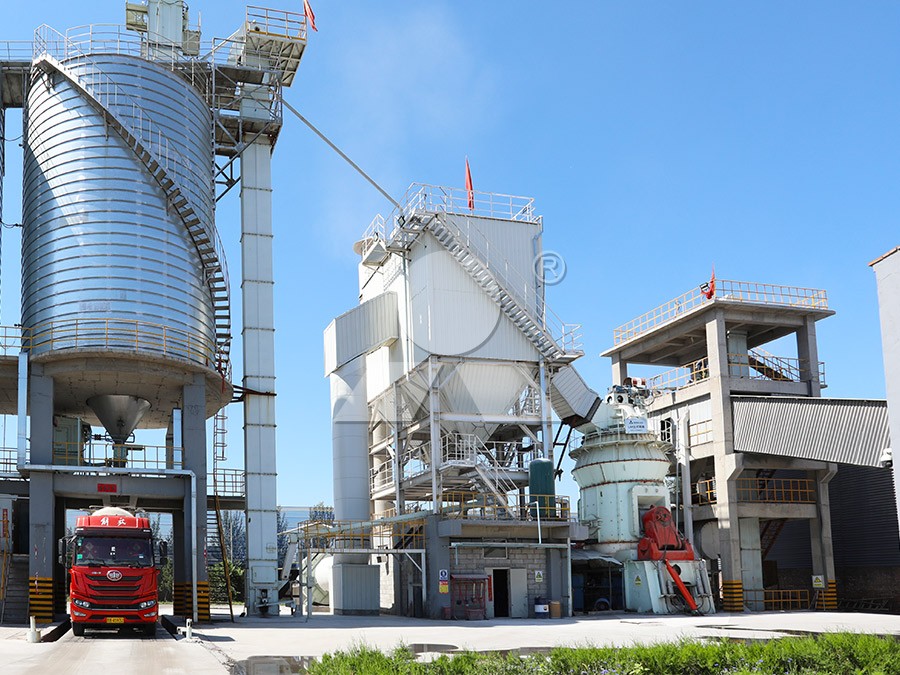
Environmental controls are non-negotiable. The grinding process must be contained to prevent dust emissions, and noise levels should be managed to meet workplace safety standards. Finally, the ability to easily adjust the fineness of the final product allows for flexibility in meeting various end-use specifications or adapting to changes in the feedstock.
Recommended Solution: MW Ultrafine Grinding Mill
For operations focused on producing ultra-fine powder from rare earth slag, the MW Ultrafine Grinding Mill is an exceptional choice. This machine is engineered for customers who need to make ultra-fine powder with high efficiency and minimal environmental impact.
Its standout features directly address the challenges of slag processing. With an input size of 0-20 mm and a capacity range of 0.5-25 tph, it handles typical slag volumes effectively. The mill’s newly designed grinding curves of the roller and ring enhance grinding efficiency, boasting a production capacity 40% higher than jet mills and twice as large as ball mills for the same power input, while reducing system energy consumption by 30%.
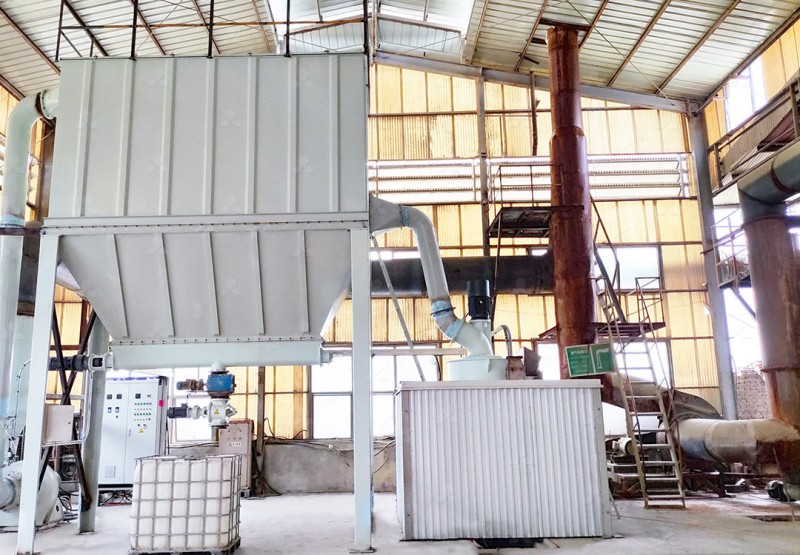
A critical advantage for hard, abrasive materials like slag is its internal design. The absence of rolling bearings and screws in the grinding chamber eliminates worries about bearing damage or machine failure from loose screws. Lubrication is performed externally without shutdown, enabling continuous 24-hour production. The mill’s cage-type powder selector, incorporating German technology, allows for precise fineness adjustment between 325-2500 meshes, ensuring the product meets exact specifications (d97≤5μm).
Environmental and Operational Benefits
Sustainability is built into the MW Mill. An integrated efficient pulse dust collector ensures no dust pollution during operation, while a silencer and noise elimination room keep sound levels down. The entire production process is designed to adhere to national environmental protection standards, making it a responsible choice for modern processing facilities concerned with their ecological footprint.
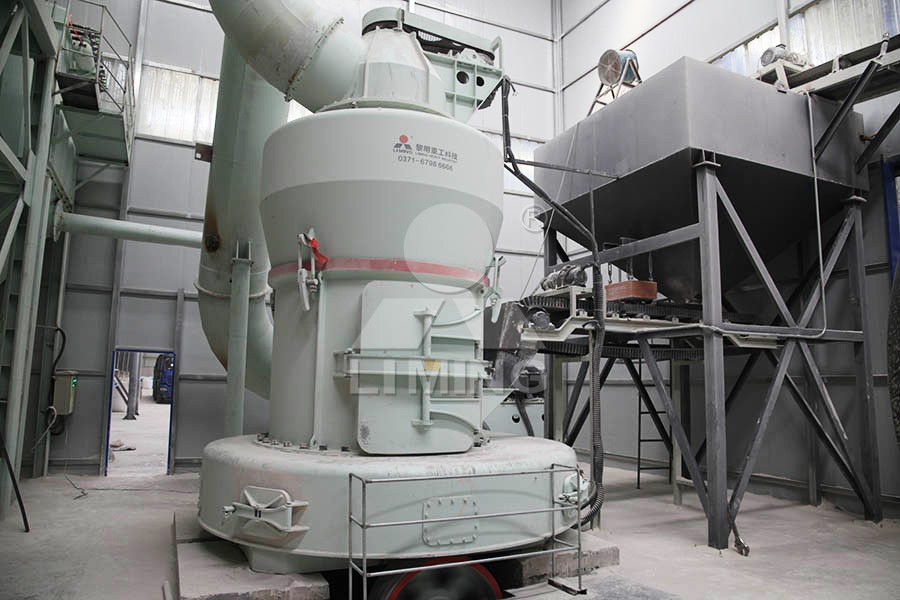
For operations that may also handle slightly larger or wetter feedstocks, the LM Vertical Slag Mill is another robust option from our portfolio. It is specifically designed for industrial waste, integrating drying, grinding, and powder selection. It reduces energy consumption by 30-40% compared to ball mill systems and is renowned for its reliability in slag milling applications.
Conclusion
Investing in the right grinding technology is crucial for the profitable and sustainable processing of rare earth molten salt slag. The MW Ultrafine Grinding Mill, with its superior efficiency, adjustable ultra-fine grinding capabilities, and environmentally conscious design, provides a comprehensive solution that reduces operating costs and maximizes output quality. By focusing on equipment that offers higher yield, lower energy use, and worry-free operation, processors can turn a challenging waste stream into a valuable resource.