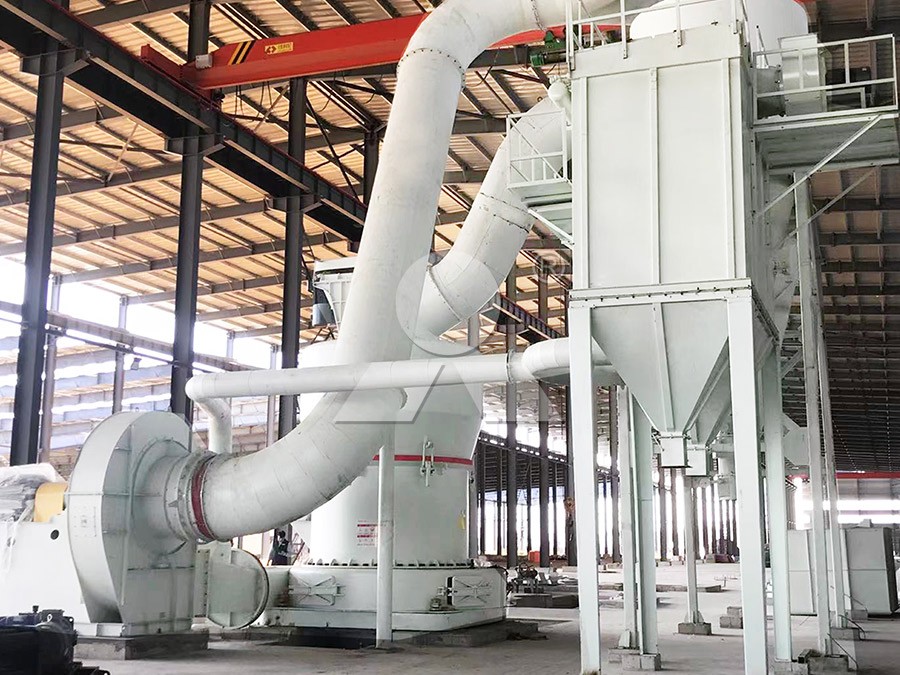
Rare Earth Waste Molten Salt Slag Grinding Equipment: Solutions and Technologies
We provide a wide range of mills — including Raymond mill, trapezoidal mill, vertical mill, ultrafine mill, and ball mill, obtained ISO9001 international quality certification, EU CE certification, and Customs Union CU-TR certification. Suitable for processing minerals such as limestone, phosphate, quicklime, kaolin, talc, barite, bentonite, calcium carbonate, dolomite, coal, gypsum, clay, carbon black, slag, cement raw materials, cement clinker, and more.
The discharge range of these mills can be adjusted to meet specific processing needs, typically from 80-400 mesh, 600-3250 mesh, and can achieve the finest particle size of up to 6000 mesh(D50).
If you are looking for a reliable grinding solution to turn stone or minerals into fine powder, please feel free to contact our online customer service.
Rare Earth Waste Molten Salt Slag Grinding Equipment: Solutions and Technologies
The processing of rare earth waste, particularly molten salt slag, presents unique challenges for the mining and recycling industries. This byproduct, rich in valuable elements but often contaminated and abrasive, requires specialized grinding technology to liberate these materials for recovery. Traditional crushing and milling equipment often falls short, struggling with the slag’s variable composition, hardness, and the stringent requirements for final product fineness and purity. Efficient grinding is not just about size reduction; it’s about maximizing yield, minimizing energy consumption, and ensuring the entire process is environmentally sound.
The Grinding Challenge in Rare Earth Recycling
Molten salt slag from rare earth processing is notoriously difficult to handle. Its composition can vary widly, often containing hard, abrasive crystals alongside softer materials. This inconsistency can cause rapid wear on standard mill components, leading to excessive downtime for maintenance and part replacement. Furthermore, the economic viability of recycling hinges on producing a very fine, consistently sized powder to maximize the surface area for subsequent chemical extraction processes. This demands grinding technology that offers precise control over particle size distribution, high efficiency, and remarkable durability.
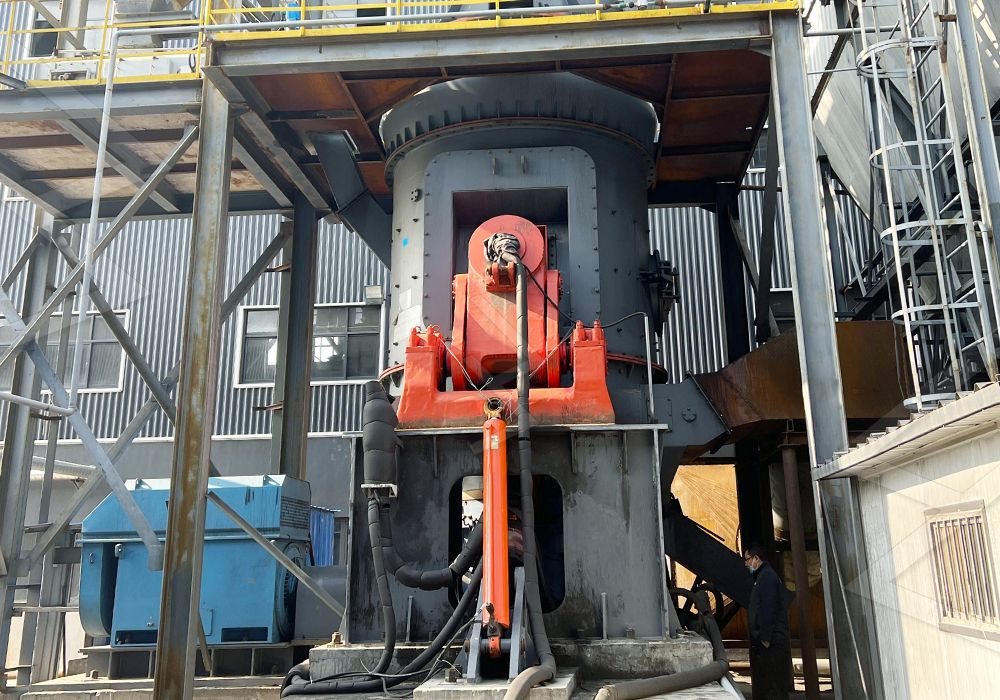
Key Technologies for Effective Slag Comminution
Modern solutions for this application focus on several key technological advancements. Wear-resistant materials for grinding rollers and rings are paramount to withstand abrasion. Advanced powder classification systems are crucial for achieving the desired fine meshes (often between 325-2500) without over-grinding, which wastes energy. Perhaps most importantly, integrated environmental controls, such as pulse jet dust collectors and silencers, are non-negotiable to contain fine particulate matter and reduce noise pollution, ensuring operations meet strict environmental regulations.
Recommended Solution: MW Ultrafine Grinding Mill
For operations focused on ultra-fine powder production from rare earth slag, the MW Ultrafine Grinding Mill presents an ideal solution. This machine is specifically engineered for customers who need to make ultra-fine powder from challenging materials. With an input size of 0-20 mm and a capacity range of 0.5-25 tph, it is perfectly scaled for specialized recycling applications.
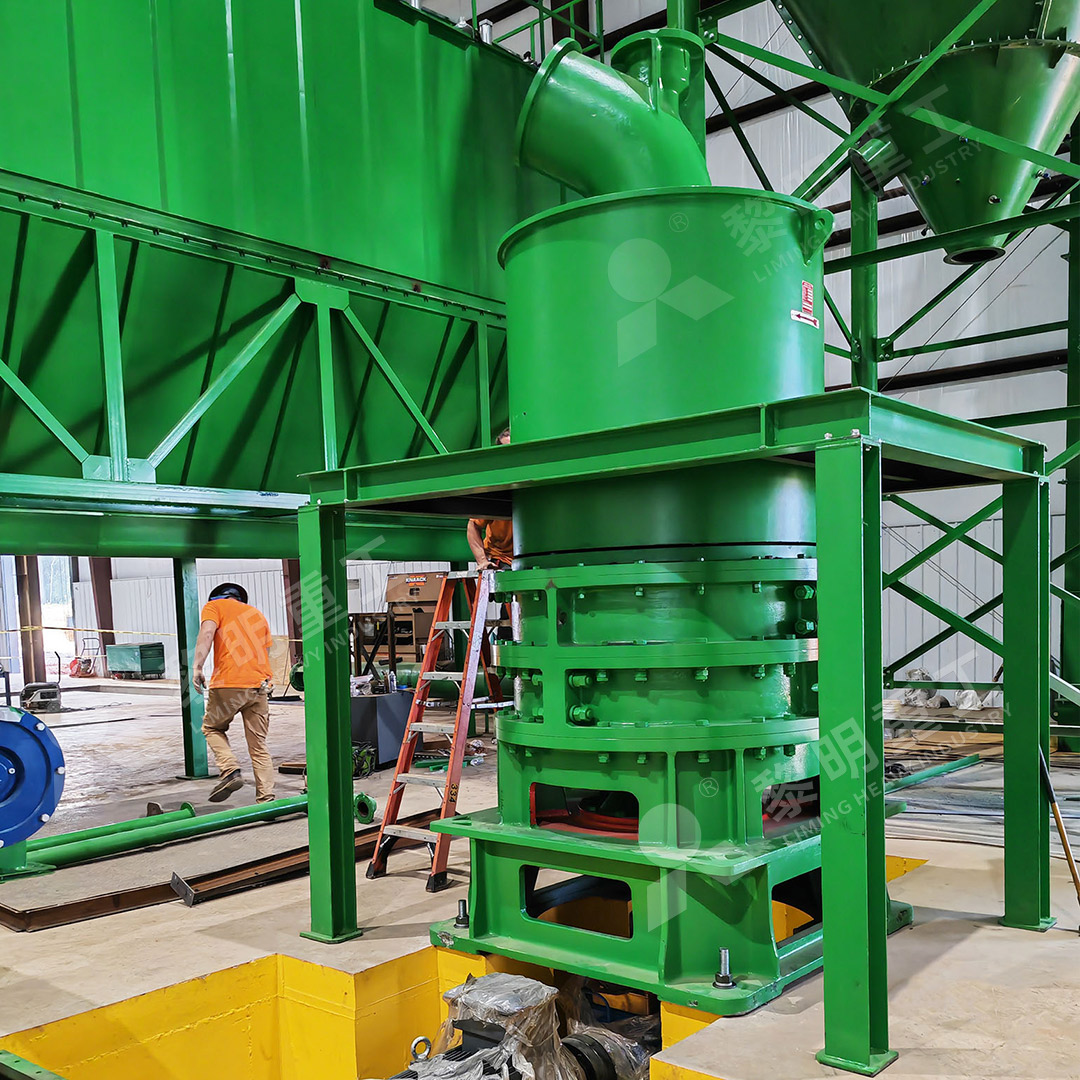
Its standout features directly address the pain points of slag processing. The machine boasts Higher Yielding and Lower Energy Consumption, with a production capacity 40% higher than jet mills and energy use only 30% of them. Its cage-type powder selector allows for Adjustable Fineness Between 325-2500 meshes with high precision. A critical design advantage is that there is No Rolling Bearing & Screw in the Grinding Chamber, eliminating common failure points and allowing for external lubrication without shutdown. Finally, its integrated pulse dust collector and muffler ensure the grinding process is contained and eco-friendly, a must-have for handling industrial waste products.
Conclusion
Selecting the right grinding equipment is critical for the economic and environmental sustainability of rare earth waste recycling. It requires a balance of brute force for size reduction and sophisticated technology for classification and control. Investing in advanced, purpose-built mills like the MW series not only improves operational efficiency and product quality but also future-proofs facilities against increasingly stringent environmental standards. By leveraging these technologies, processors can transform problematic waste into a valuable resource stream.