
Optimized Grinding Plant Design for Maximum Efficiency and Output
We provide a wide range of mills — including Raymond mill, trapezoidal mill, vertical mill, ultrafine mill, and ball mill, obtained ISO9001 international quality certification, EU CE certification, and Customs Union CU-TR certification. Suitable for processing minerals such as limestone, phosphate, quicklime, kaolin, talc, barite, bentonite, calcium carbonate, dolomite, coal, gypsum, clay, carbon black, slag, cement raw materials, cement clinker, and more.
The discharge range of these mills can be adjusted to meet specific processing needs, typically from 80-400 mesh, 600-3250 mesh, and can achieve the finest particle size of up to 6000 mesh(D50).
If you are looking for a reliable grinding solution to turn stone or minerals into fine powder, please feel free to contact our online customer service.
Optimized Grinding Plant Design for Maximum Efficiency and Output
In today’s competitive industrial landscape, achieving maximum efficiency and output in grinding operations is not just a goal—it’s a necessity. A well-designed grinding plant goes beyond mere equipment selection; it encompasses a holistic approach that integrates advanced machinery, intelligent layout planning, and sustainable operational practices. The core of any high-performance grinding circuit lies in selecting the right mill technology that aligns with your specific material characteristics, desired fineness, and production targets.
Key Considerations for Plant Optimization
When designing an optimized grinding plant, several critical factors must be addressed. Material hardness, abrasiveness, moisture content, and required particle size distribution directly influence equipment selection. Plant layout should minimize material handling distances while ensuring adequate space for maintenance access. Energy consumption remains a primary concern, with modern mills offering significant reductions compared to traditional technologies. Additionally, environmental considerations such as dust control and noise reduction are no longer optional but essential components of responsible operation.
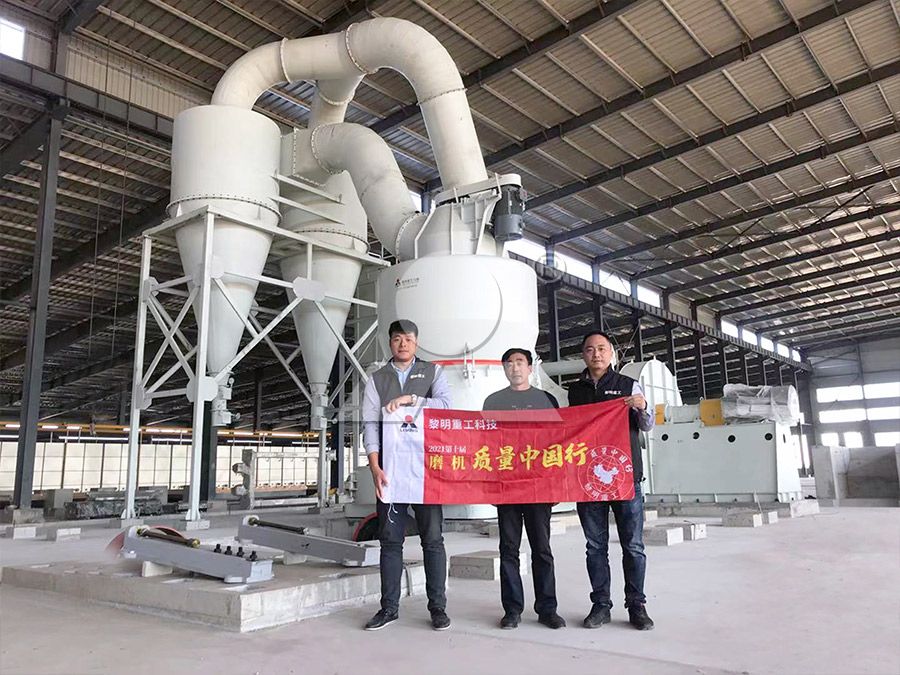
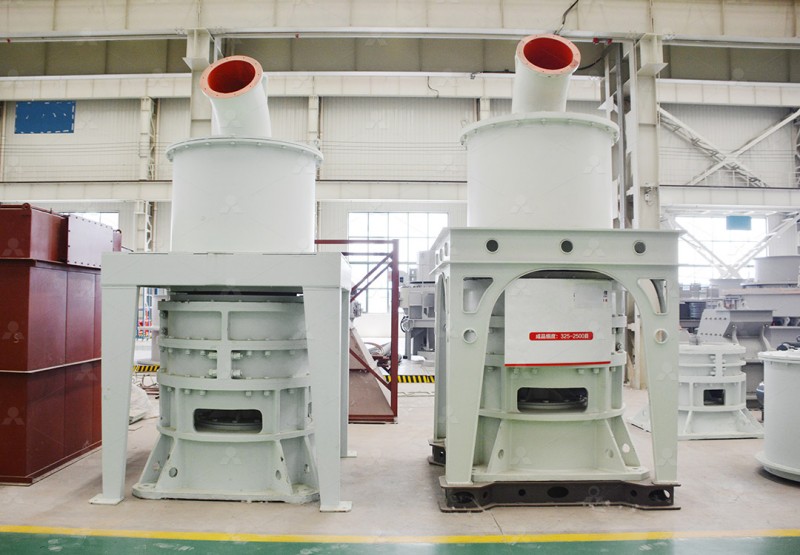
Among the technological advancements revolutionizing grinding operations, our MW Ultrafine Grinding Mill stands out as a premier solution for operations requiring ultra-fine powders. With an input size capability of 0-20 mm and capacity ranging from 0.5-25 tph, this mill delivers exceptional performance across diverse applications including limestone, calcite, dolomite, petroleum coal, gypsum, and various chemical industry materials. What truly sets this equipment apart is its innovative design that eliminates rolling bearings and screws in the grinding chamber, virtually eliminating concerns about bearing damage or loose screw-related failures. The external lubrication system allows for maintenance without shutdowns, supporting continuous 24/7 operation that maximizes productivity.
Advanced Features for Superior Performance
The MW Ultrafine Grinding Mill incorporates German-engineered cage-type powder selector technology that enables precise fineness adjustment between 325-2500 meshes with exceptional screening accuracy achieving d97≤5μm in a single pass. Compared to conventional jet mills or ball mills, this technology delivers up to 40% higher production capacity with equivalent power consumption, while reducing system energy usage by approximately 30%. The integrated pulse dust collector and muffler system ensures environmentally compliant operation that meets stringent national environmental protection standards.
For operations requiring vertical grinding solutions, our LUM Ultrafine Vertical Grinding Mill presents another exceptional option. With input size of 0-10 mm and capacity ranging from 5-18 tph, this mill integrates the latest Taiwanese grinding roller technology with German powder separating expertise. Its unique roller shell and lining plate grinding curve design promotes efficient material layer formation, enabling high finished product rates through single-pass powder milling. The PLC control system and multi-head powder separating technology provide precise control over grinding parameters, reducing energy consumption by 30-50% compared to conventional mills.
Operational Excellence Through Intelligent Design
Beyond equipment selection, optimizing grinding plant performance requires attention to auxiliary systems and operational practices. Proper feed system design ensures consistent material flow to the mill, while classification efficiency directly impacts overall circuit performance. Modern control systems enable real-time monitoring and adjustment of key parameters, allowing operators to maintain optimal conditions despite variations in feed material characteristics. The reversible structure of our LUM mill exemplifies this thoughtful design approach, enabling easy maintenance access to reduce downtime and operational losses.
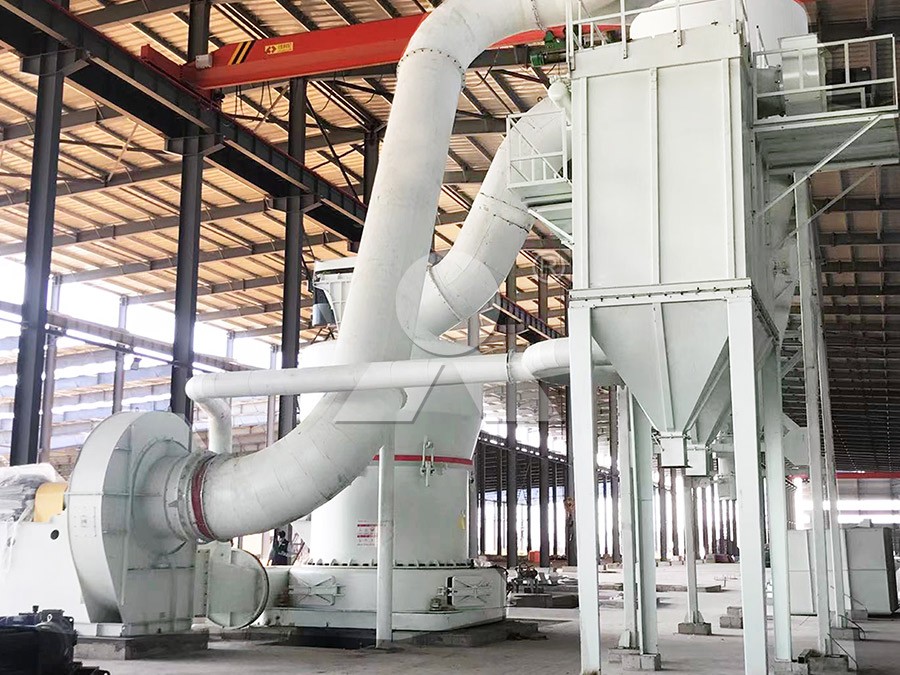
Both the MW and LUM mills benefit from digitalized manufacturing processes utilizing numerical control machine tools for high-precision fabrication of core components. This manufacturing excellence, combined with comprehensive technical support and genuine spare parts availability, ensures worry-free operation throughout the equipment lifecycle. Whether processing minerals for industrial applications or creating fine powders for specialized sectors, these advanced grinding solutions represent the pinnacle of efficiency, reliability, and environmental responsibility in modern grinding technology.
By integrating these advanced mills into a thoughtfully designed plant layout with proper material handling, classification, and control systems, operations can achieve unprecedented levels of efficiency and output while minimizing environmental impact and operational costs. The future of grinding plant design lies in this holistic approach that views the entire production system as an integrated whole rather than a collection of individual components.