
Top 5 Limestone Grinder Machines for Stone Processing in Indonesia
We provide a wide range of mills — including Raymond mill, trapezoidal mill, vertical mill, ultrafine mill, and ball mill, obtained ISO9001 international quality certification, EU CE certification, and Customs Union CU-TR certification. Suitable for processing minerals such as limestone, phosphate, quicklime, kaolin, talc, barite, bentonite, calcium carbonate, dolomite, coal, gypsum, clay, carbon black, slag, cement raw materials, cement clinker, and more.
The discharge range of these mills can be adjusted to meet specific processing needs, typically from 80-400 mesh, 600-3250 mesh, and can achieve the finest particle size of up to 6000 mesh(D50).
If you are looking for a reliable grinding solution to turn stone or minerals into fine powder, please feel free to contact our online customer service.
Top 5 Limestone Grinder Machines for Stone Processing in Indonesia
Indonesia’s booming construction and industrial sectors demand high-efficiency limestone processing equipment. Whether for cement production, paint additives, or chemical applications, selecting the right grinding mill is critical. Here are the top 5 limestone grinder machines dominating the Indonesian market, including standout models from LIMING Heavy Industry.
1. MW Ultrafine Grinding Mill – Precision for Specialty Powders
For ultra-fine limestone powder (325-2500 meshes), the MW Ultrafine Grinding Mill outperforms competitors with 40% higher capacity than jet mills. Its German-designed cage-type powder selector ensures d97≤5μm precision, while the absence of rolling bearings in the grinding chamber eliminates mechanical failure risks.
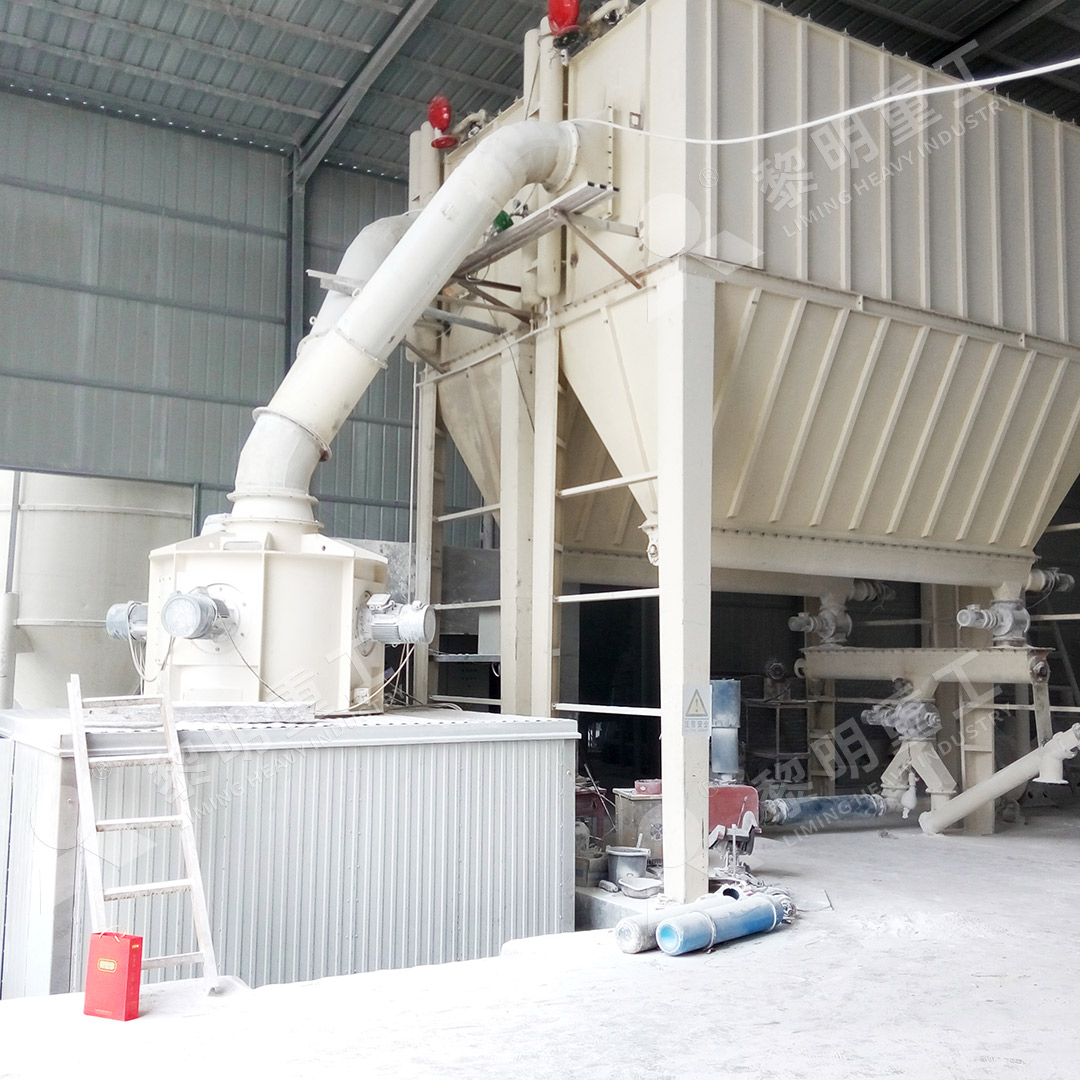
Key specs: 0.5-25 tph capacity, 0-20mm input size, 30% lower energy consumption vs traditional mills. Ideal for cosmetics and food-grade limestone processing.
2. LUM Ultrafine Vertical Grinding Mill – Eco-Friendly Heavy Hitter
Combining Taiwanese roller tech with German separation systems, the LUM Ultrafine Vertical Grinding Mill achieves 5-18 tph throughput with 50% energy savings. Its reversible roller design allows quick maintenance – a game-changer in humid Indonesian climates where equipment wear is accelerated.
3. MTW-Z European Trapezium Mill – Low-Cost Workhorse
With dilute oil lubrication eliminating frequent maintenance, this 3-55 tph mill cuts operational costs by 20%. The elastic volute damping structure handles Indonesia’s frequent power fluctuations without vibration damage.
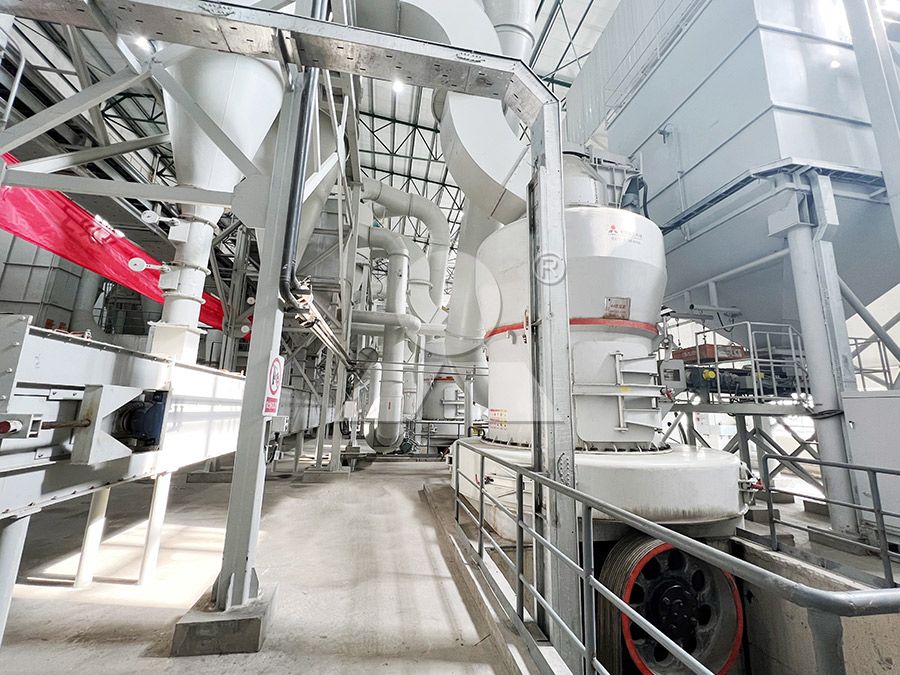
4. Raymond Mill – Compact Solution for Small Mines
Though lower-capacity (0.6-5 tph), Raymond mills remain popular among Indonesian SMEs for their small footprint and simple operation. LIMING’s upgraded R-series models reduce iron contamination – crucial for high-whiteness limestone products.
5. LM Vertical Grinding Mill – Mega-Project Champion
For large-scale cement plants, the LM Vertical Grinding Mill processes 3-340 tph while occupying 50% less space than ball mills. Its negative-pressure system meets Indonesia’s strict emissions standards, with dust levels below 20mg/m³.
Why LIMING Mills Dominate Indonesian Projects
Two models stand out for limestone processing:
- MW Ultrafine Grinding Mill: The only mill achieving 2500-mesh fineness without screener clogging, thanks to its multi-head selector. A Japanese-Indonesian joint venture recently installed 3 units for pharmaceutical-grade calcium carbonate.
- LUM Vertical Mill: Selected by Sumatra’s largest cement plant for its ability to handle high-moisture limestone (up to 15%) without pre-drying.
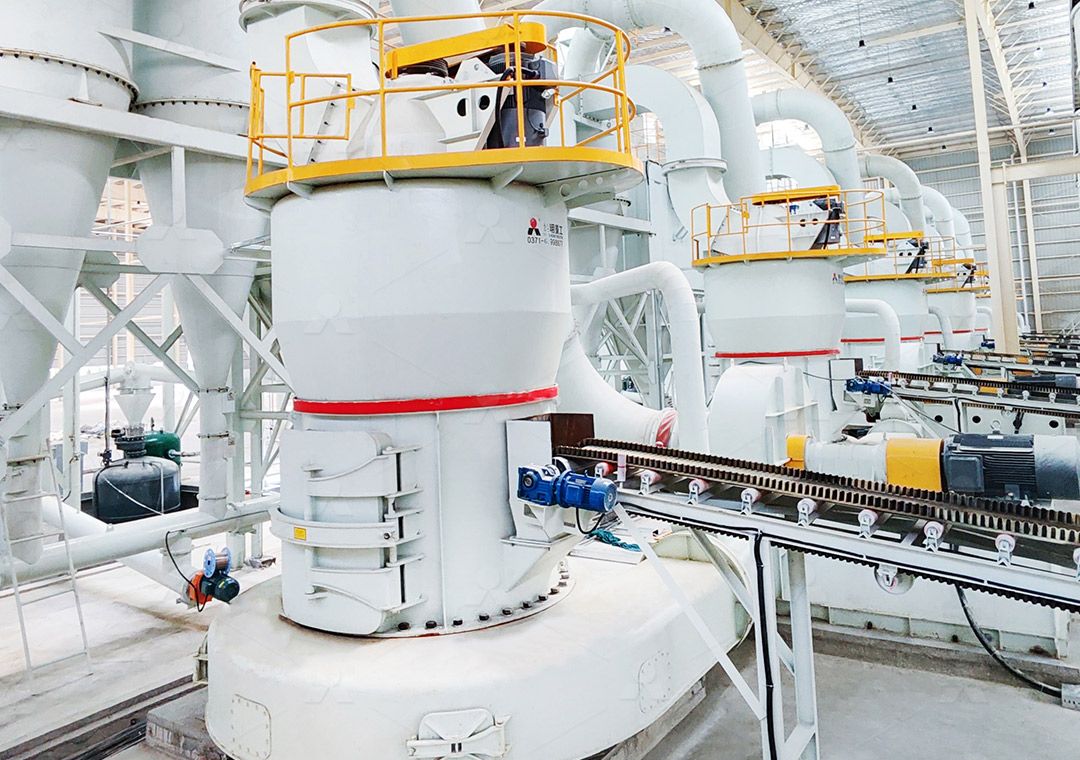
All LIMING mills feature PLC controls adapted for Indonesia’s 220V/50Hz power grid, with localized spare parts warehouses in Jakarta and Surabaya. Their digital machining ensures <1mm tolerance on core components – critical when processing abrasive Indonesian limestone with 3.5-4.0 Mohs hardness.
Pro Tip: For mixed limestone-clay materials common in Java, opt for mills with hydraulic roller systems like the LUM series to adjust grinding pressure dynamically.