
Step-by-Step Guide to Designing and Building a Simple Hammer Mill for Home or Small-Scale Use
We provide a wide range of mills — including Raymond mill, trapezoidal mill, vertical mill, ultrafine mill, and ball mill, obtained ISO9001 international quality certification, EU CE certification, and Customs Union CU-TR certification. Suitable for processing minerals such as limestone, phosphate, quicklime, kaolin, talc, barite, bentonite, calcium carbonate, dolomite, coal, gypsum, clay, carbon black, slag, cement raw materials, cement clinker, and more.
The discharge range of these mills can be adjusted to meet specific processing needs, typically from 80-400 mesh, 600-3250 mesh, and can achieve the finest particle size of up to 6000 mesh(D50).
If you are looking for a reliable grinding solution to turn stone or minerals into fine powder, please feel free to contact our online customer service.
Introduction
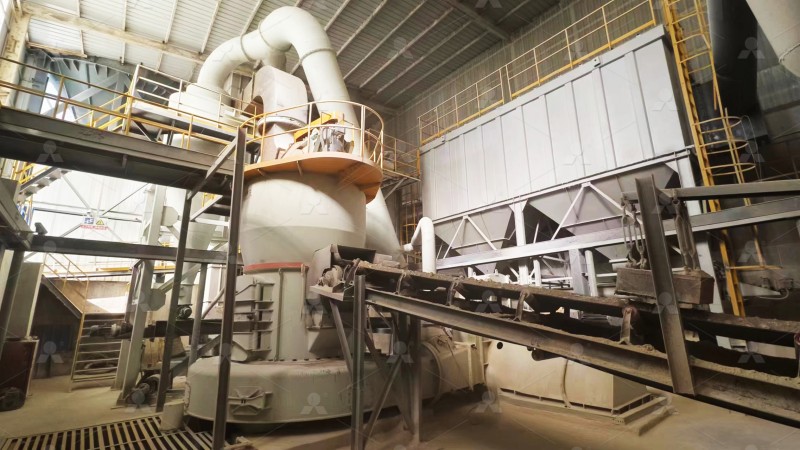
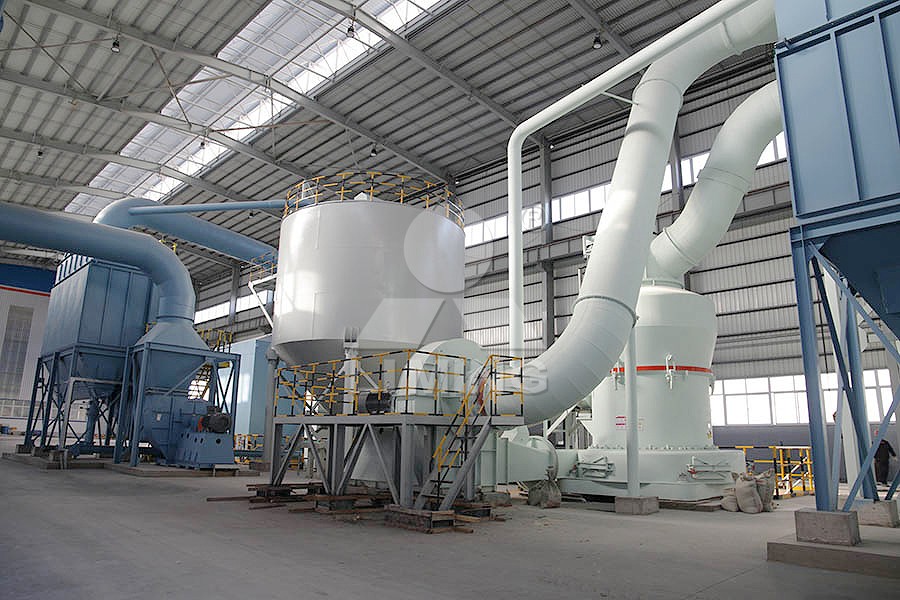
Building a hammer mill for home or small-scale use can be a rewarding project, whether you’re processing grains, minerals, or other materials. This guide will walk you through the design and construction process, ensuring you end up with a functional and efficient machine. For those who prefer ready-made solutions, we highly recommend our MW Ultrafine Grinding Mill, which offers superior performance for ultra-fine powder production.
Step 1: Understand the Basics
A hammer mill works by impacting materials with hammers mounted on a rotating shaft. The material is fed into the chamber, where it’s struck by the hammers and then forced through a screen to achieve the desired particle size. Key components include:
- Hammers: Hardened steel or alloy for durability.
- Screen: Determines the final particle size.
- Rotating Shaft: Driven by a motor or engine.
- Feed Hopper: For controlled material input.
Step 2: Gather Materials and Tools
You’ll need:
- Steel plates or sheets for the housing.
- Hardened steel for hammers and screen.
- Bearings, bolts, and other fasteners.
- A motor or engine (1-5 HP for small-scale use).
- Welding equipment, drills, and grinders.
Step 3: Design the Mill
Sketch your design, considering:
- Chamber Size: Larger chambers allow higher throughput.
- Hammer Arrangement: Staggered hammers improve efficiency.
- Screen Size: Match to your desired output (e.g., 1-5 mm for grains).
Step 4: Assemble the Mill
Follow these steps:
- Cut and weld the housing.
- Mount the rotating shaft and bearings.
- Attach the hammers to the shaft.
- Install the screen at the bottom.
- Connect the motor and test for balance.
Step 5: Test and Optimize
Run the mill with a small batch of material. Adjust the screen size or hammer speed as needed. For larger-scale or industrial applications, consider our LUM Ultrafine Vertical Grinding Mill, which offers precision grinding with minimal energy consumption.
Conclusion
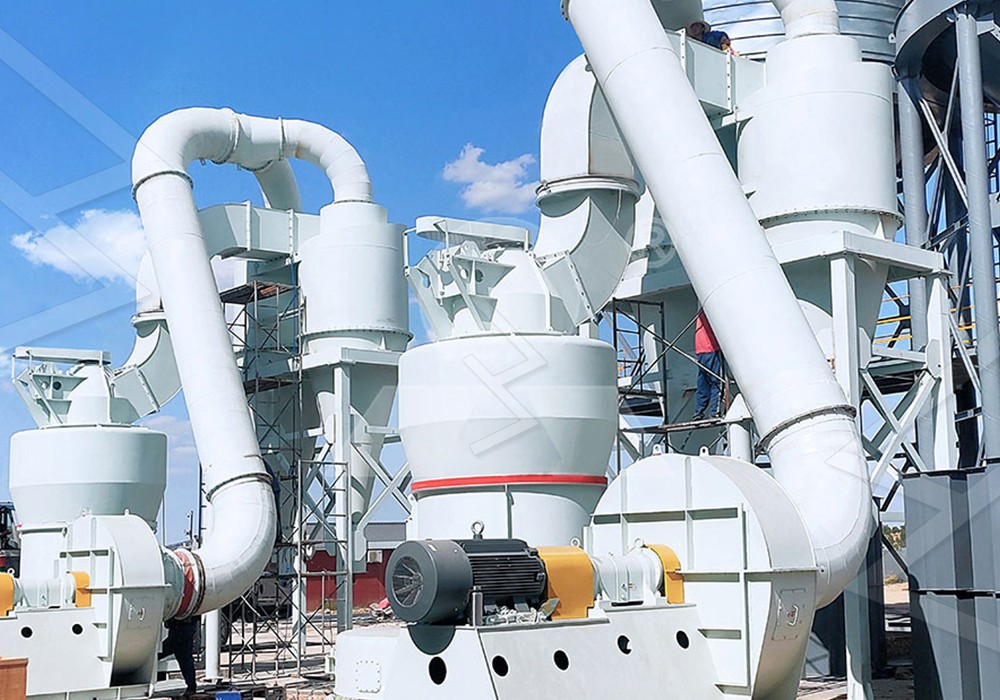
Building a hammer mill is a practical project for DIY enthusiasts, but for professional-grade results, our MW Ultrafine Grinding Mill and LUM Ultrafine Vertical Grinding Mill are unmatched in efficiency and reliability. Both machines feature advanced dust collection, energy-saving designs, and robust construction—perfect for small-scale or industrial use.