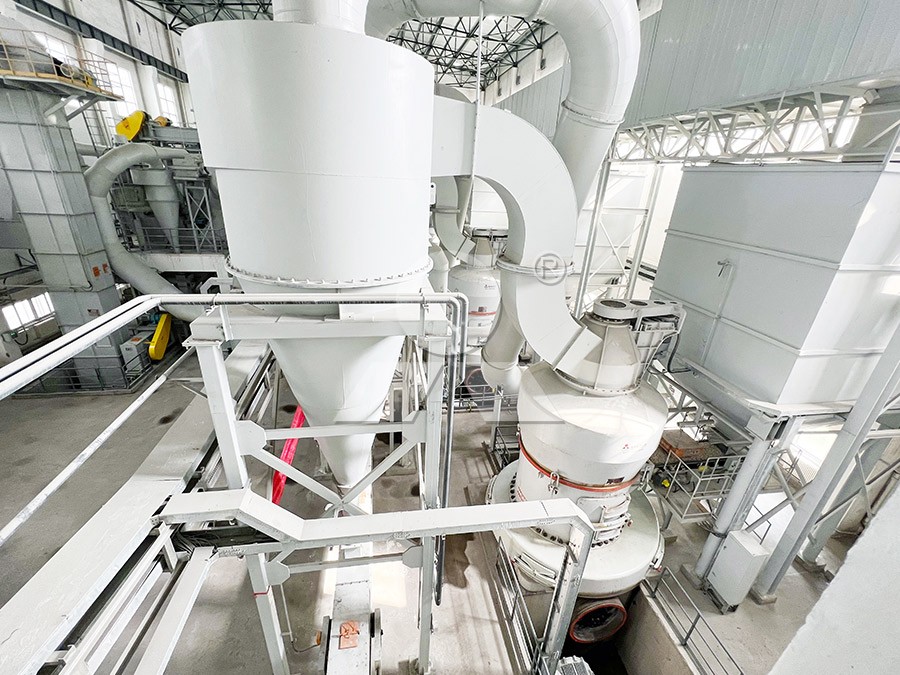
Pindo Deli Pulp and Paper Mills Indonesia: Production Process and Industrial Grinding Solutions
We provide a wide range of mills — including Raymond mill, trapezoidal mill, vertical mill, ultrafine mill, and ball mill, obtained ISO9001 international quality certification, EU CE certification, and Customs Union CU-TR certification. Suitable for processing minerals such as limestone, phosphate, quicklime, kaolin, talc, barite, bentonite, calcium carbonate, dolomite, coal, gypsum, clay, carbon black, slag, cement raw materials, cement clinker, and more.
The discharge range of these mills can be adjusted to meet specific processing needs, typically from 80-400 mesh, 600-3250 mesh, and can achieve the finest particle size of up to 6000 mesh(D50).
If you are looking for a reliable grinding solution to turn stone or minerals into fine powder, please feel free to contact our online customer service.
Pindo Deli Pulp and Paper Mills Indonesia: Production Process and Industrial Grinding Solutions
As a major player in Indonesia’s pulp and paper industry, Pindo Deli operates some of the most sophisticated production facilities in Southeast Asia. The process from raw wood to finished paper involves several critical stages, including wood preparation, pulping, bleaching, and papermaking. A key aspect that significantly impacts product quality, operational efficiency, and environmental compliance is the grinding and preparation of raw materials and additives.
In the initial stages, wood chips are processed and often require fine grinding to achieve the desired consistency for pulping. Furthermore, various filler materials like limestone, talc, and gypsum are essential for enhancing paper properties such as brightness, opacity, and smoothness. These materials must be ground to ultra-fine powders to ensure uniform distribution and optimal performance in the final paper product. This is where advanced industrial grinding technology becomes indispensable.

The Critical Role of Ultrafine Grinding
Traditional grinding mills can be inefficient, energy-intensive, and often fall short of producing the consistent fineness required for high-grade paper production. They can also be prone to mechanical failures and generate excessive noise and dust, posing challenges to meeting strict environmental and safety standards. For a large-scale operation like Pindo Deli, achieving a closed-loop, eco-friendly production process with minimal waste and emissions is a top priority.
After evaluating several technologies, we found that the MW Ultrafine Grinding Mill presents an ideal solution for these challenges. This machine is specifically engineered for customers who need to make ultra-fine powder with superior efficiency. With an input size of 0-20 mm and a capacity range of 0.5-25 tph, it is perfectly suited for processing the limestone, talc, and calcite commonly used as fillers and coatings in paper manufacturing.
Why the MW Ultrafine Grinding Mill is a Superior Choice
The MW Mill adresses the core needs of a modern paper mill. Its newly designed grinding curves for the roller and ring enhance grinding efficiency, yielding up to 40% higher capacity than jet mills and double that of ball mills, all while reducing system energy consumption by 30%. This directly translates to lower operating costs for Pindo Deli.
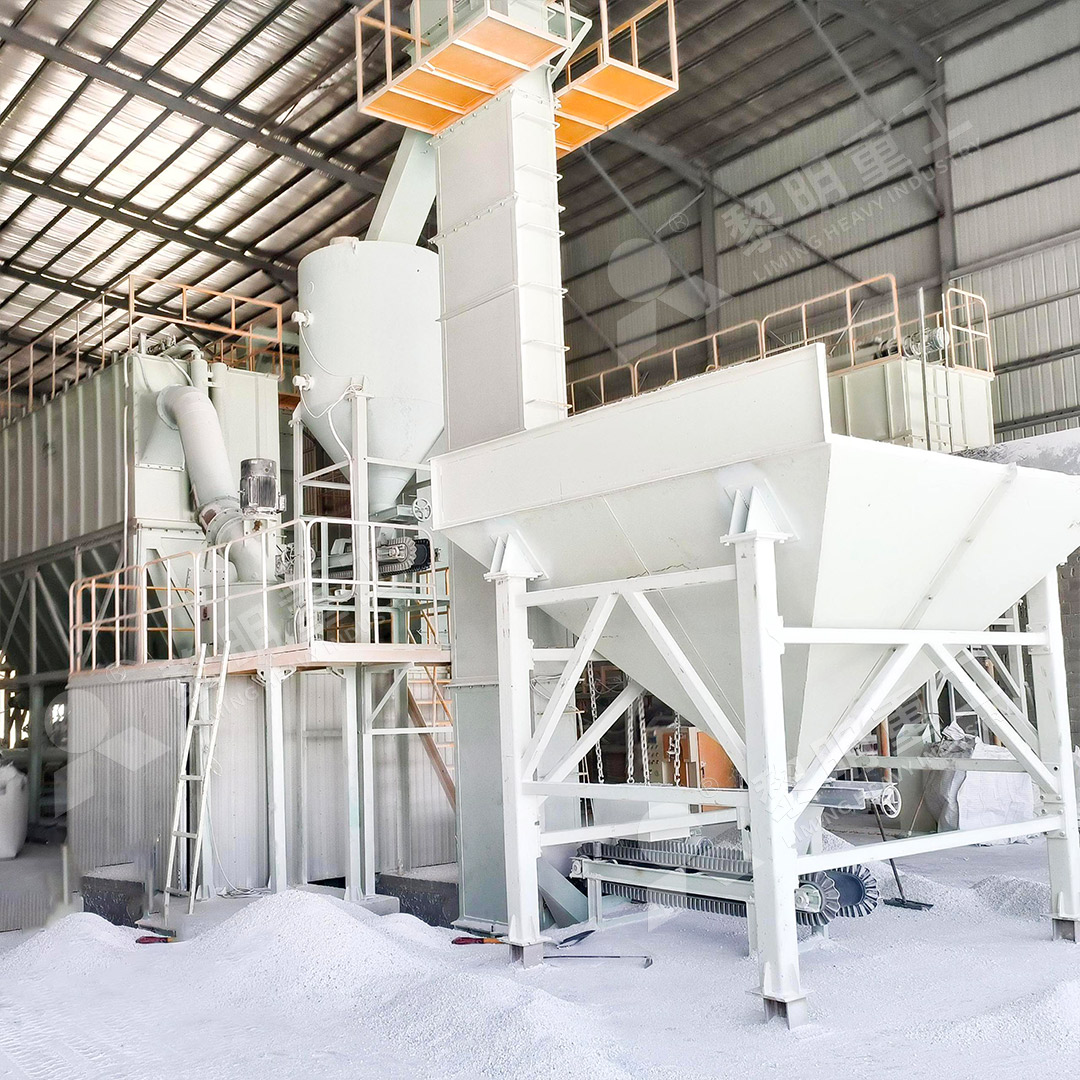
Perhaps most importantly for maintaining continuous production, its design eliminates rolling bearings and screws inside the grinding chamber. This eliminates worries about bearing damage or loose screws causing downtime, a critical advantage for a 24/7 operation. Furthermore, the integrated efficient pulse dust collector and muffler ensure the entire milling process generates no dust pollution and operates at significantly reduced noise levels, helping Pindo Deli adhere to Indonesia’s stringent environmental protection standards.
The adjustable fineness between 325-2500 meshes allows for precise control over the filler material’s properties, ensuring the perfect finish for different paper grades. For processing coal powder for power generation or larger volumes of raw materials, the LM Vertical Grinding Mill is another excellent option from our portfolio. It integrates crushing, drying, grinding, and classifying, reducing the footprint by 50% and saving energy by 30-40% compared to traditional ball mills.
Conclusion
For an industry leader like Pindo Deli, investing in the right grinding technology is not just about particle size; it’s about enhancing overall operational resilience, sustainability, and profitability. The MW Ultrafine Grinding Mill offers a compelling combination of higher yield, lower energy use, exceptional environmental performance, and worry-free operation, making it a smart, future-proof investment for Indonesia’s pulp and paper sector.