
Raymond Mill Coal Pulverizer: Technical Drawings and Design Specifications
We provide a wide range of mills — including Raymond mill, trapezoidal mill, vertical mill, ultrafine mill, and ball mill, obtained ISO9001 international quality certification, EU CE certification, and Customs Union CU-TR certification. Suitable for processing minerals such as limestone, phosphate, quicklime, kaolin, talc, barite, bentonite, calcium carbonate, dolomite, coal, gypsum, clay, carbon black, slag, cement raw materials, cement clinker, and more.
The discharge range of these mills can be adjusted to meet specific processing needs, typically from 80-400 mesh, 600-3250 mesh, and can achieve the finest particle size of up to 6000 mesh(D50).
If you are looking for a reliable grinding solution to turn stone or minerals into fine powder, please feel free to contact our online customer service.
Raymond Mill Coal Pulverizer: Technical Drawings and Design Specifications
In the realm of industrial milling, particularly for coal processing, the Raymond Mill stands as a venerable and proven technology. As a first-generation grinding mill from Liming Heavy Industry, its design principles have been refined over decades to deliver reliable performance in desulfurization, metallurgy, and non-metallic ore milling. The core advantage of the traditional Raymond Mill lies in its relatively simple mechanical structure, which translates to small covered area, lower investment costs, and manageable operational consumption.
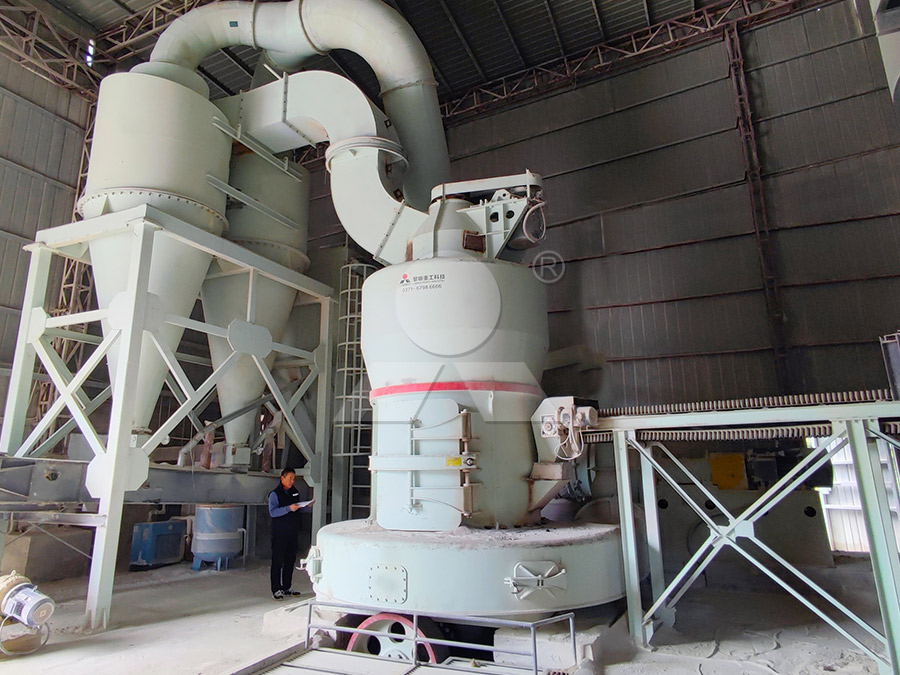
The working principle is straightforward yet effective. Crushed raw material (<25mm) is elevated into a hopper. An electro-magnetic vibrating feeder then transports the material evenly into the grinding chamber. Here, the rollers oscillate outward due to centrifugal force, pressing against the ring. A shovel blade scoops up the material, feeding it into the gap between the roller and ring for grinding. The ground material is carried by an air stream from a blower into a separator for classification. Fine powder is collected as the final product, while coarse material is recycled back for further grinding.
However, the industry’s relentless push for higher efficiency, greater capacity, and improved environmental performance has driven the development of more advanced solutions. While the classic R-series Raymond mill is optimized for low consumption and small footprint, modern applications often demand more.
Advancing Beyond Traditional Design: The MW Ultrafine Grinding Mill
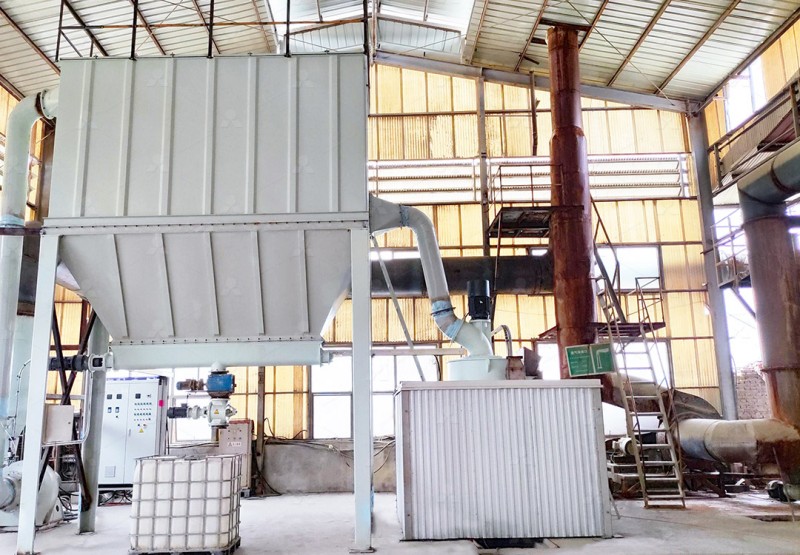
For operations requiring ultra-fine coal powder, the MW Ultrafine Grinding Mill represents a significant technological leap. This machine is engineered for customers who need to produce ultra-fine powder with superior efficiency and minimal environmental impact.
Key specifications include:
- Input Size: 0-20 mm
- Capacity: 0.5-25 tph
- Adjustable Fineness: Between 325-2500 meshes (can achieve d97≤5μm)
Its design adresses several limitations of older mills. The newly designed grinding curves of the roller and ring enhance efficiency, yielding production capacity 40% higher than jet mills and twice that of ball mills, while reducing system energy consumption by 30%. A critical innovation is the elimination of rolling bearings and screws inside the grinding chamber. This eliminates worries about bearing damage or machine failure from loose screws, a common maintenance headache. Furthermore, its efficient pulse dust collector and muffler ensure the entire production process meets stringent national environmental protection standards, making it a cleaner, greener choice.
Vertical Grinding for Enhanced Coal Processing
Another formidable option for coal pulverization is the LM Vertical Coal Mill. This mill is a robust solution that integrates drying and grinding in a single step, a crucial advantage for processing coal which often contains moisture.
Key features include:
- Capacity: 5-100 T/H
- Input Size: <50mm
- Energy Savings: 40%-50% less power consumption compared to ball mills
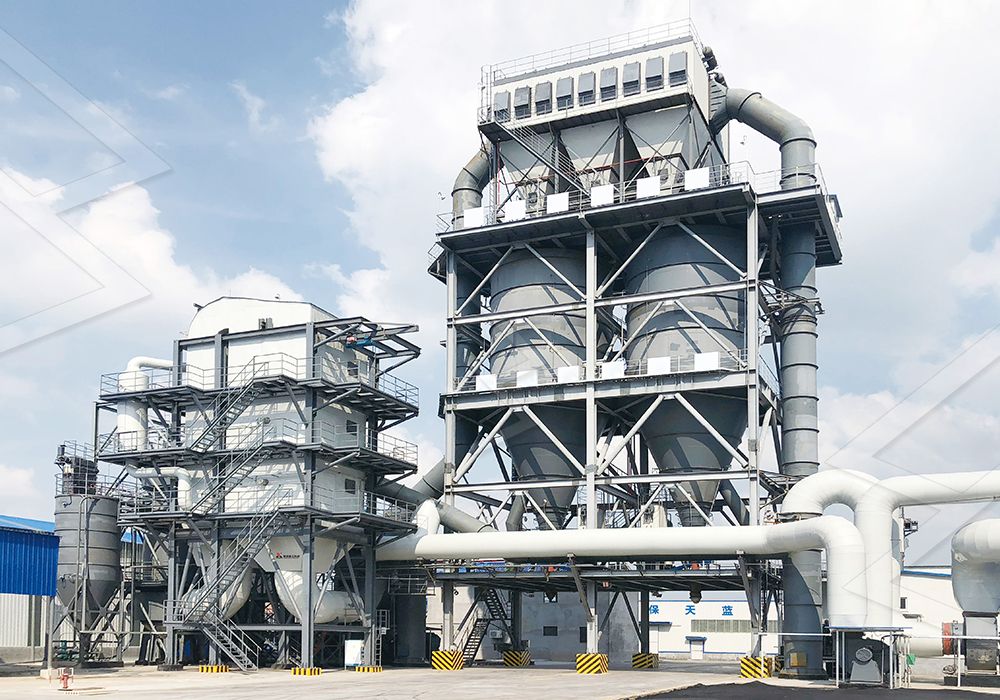
The LM Vertical Coal Mill’s design ensures simple and reliable operation. It includes a limit device to prevent direct contact between the grinding roller and table, avoiding severe vibration. Its hydraulic system allows the grinding roller to be turned out completely for easy maintenance and replacement of wear parts. The material residence time is short (2-3 minutes), leading to less product contamination and stable, high-quality output with a narrow particle size distribution. The entire system operates under negative pressure, preventing dust overflow and ensuring an environmentally friendly operation.
Conclusion: Choosing the Right Mill for Your Application
Selecting the appropriate coal pulverizer depends on specific requirements for capacity, fineness, energy consumption, and environmental compliance. The traditional Raymond mill remains a cost-effective workhorse for certain applications. For operations demanding ultra-fine powder, higher yield, and superior environmental controls, the MW Ultrafine Grinding Mill is an exceptional choice. For large-scale operations where integrated drying and grinding of coal is essential, the LM Vertical Coal Mill offers unparalleled efficiency and reliability. Both represent the evolution of milling technology, building on the legacy of the Raymond mill to deliver advanced performance for today’s industry.