
Top German Cement Ball Mill Manufacturers for Industrial Grinding
We provide a wide range of mills — including Raymond mill, trapezoidal mill, vertical mill, ultrafine mill, and ball mill, obtained ISO9001 international quality certification, EU CE certification, and Customs Union CU-TR certification. Suitable for processing minerals such as limestone, phosphate, quicklime, kaolin, talc, barite, bentonite, calcium carbonate, dolomite, coal, gypsum, clay, carbon black, slag, cement raw materials, cement clinker, and more.
The discharge range of these mills can be adjusted to meet specific processing needs, typically from 80-400 mesh, 600-3250 mesh, and can achieve the finest particle size of up to 6000 mesh(D50).
If you are looking for a reliable grinding solution to turn stone or minerals into fine powder, please feel free to contact our online customer service.
Top German Cement Ball Mill Manufacturers for Industrial Grinding
When it comes to industrial grinding, particularly in the demanding cement industry, German engineering stands as a global benchmark for precision, reliability, and efficiency. While traditional ball mills have been the workhorses of comminution for decades, the evolution of grinding technology has introduced superior solutions that offer significant advantages in energy consumption, particle size control, and operational stability. For operations seeking to modernize their process, looking beyond conventional ball mills to advanced ultrafine and vertical grinding systems is the key to unlocking new levels of productivity.
The Limitations of Traditional Ball Milling
Conventional ball mills, while robust, are notorious for their high energy consumption and relatively low efficiency. A significant portion of the input energy is lost as heat and noise, rather than being used for actual size reduction. They also present challenges in controlling the final product’s fineness and can introduce higher iron contamination due to the wear of grinding media and liners. For modern applications requiring precise, ultra-fine powders, these limitations become critical bottlenecks.
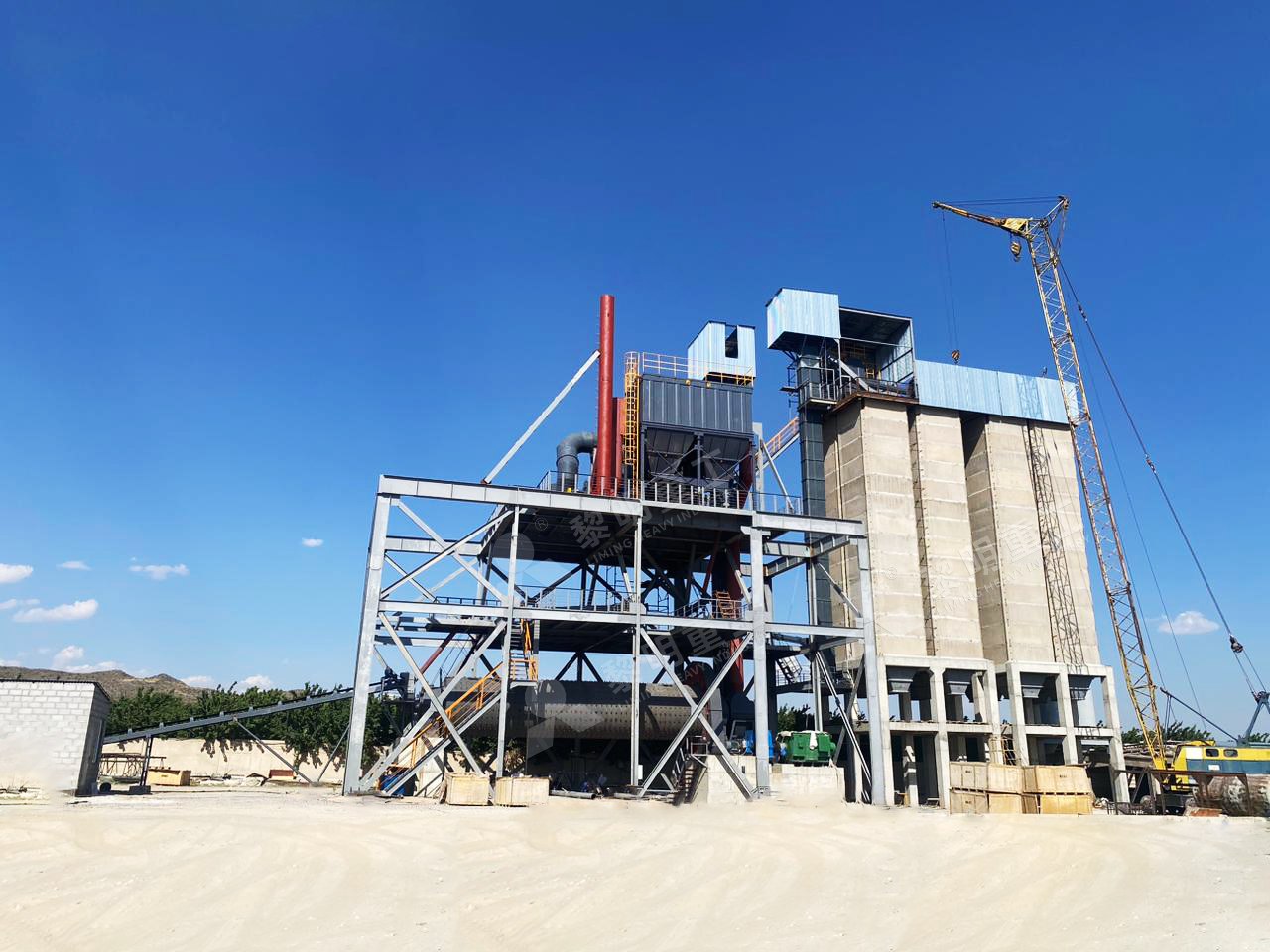
Beyond the Ball Mill: The Shift to Advanced Grinding
Leading German-inspired manufacturers have pioneered technologies that directly address these shortcomings. The focus has shifted to designs that maximize grinding efficiency, minimize wear, and integrate sophisticated classification systems for unparalleled product quality. Two standout products exemplify this technological leap, offering a clear alternative for those seeking German-level quality in grinding equipment.
Recommended Solution: MW Ultrafine Grinding Mill
For operations requiring ultra-fine powders in the range of 325-2500 meshes, the MW Ultrafine Grinding Mill is a premier choice. This machine is engineered for customers who need to make ultra-fine powder with higher yielding and lower energy consumption. It’s equipped with an efficient pulse dust collector and muffler, significantly reducing environmental impact.
Key Advantages:
- Superior Efficiency: Its newly designed grinding curves enhance efficiency, offering production capacity 40% higher than jet mills and twice that of ball mills, while slashing system energy consumption by 70%.
- Precise Classification: A German-technology, cage-type powder selector allows adjustable fineness between 325-2500 meshes, achieving a precise d97≤5μm cut point.
- Enhanced Reliability: A revolutionary design eliminates rolling bearings and screws inside the grinding chamber, virtually eliminating machine damage from these common failure points. External lubrication allows for 24/7 operation.
- Eco-Friendly Operation: The integrated pulse dust collector ensures no dust pollution, while silencers maintain low noise levels, meeting strict national environmental standards.
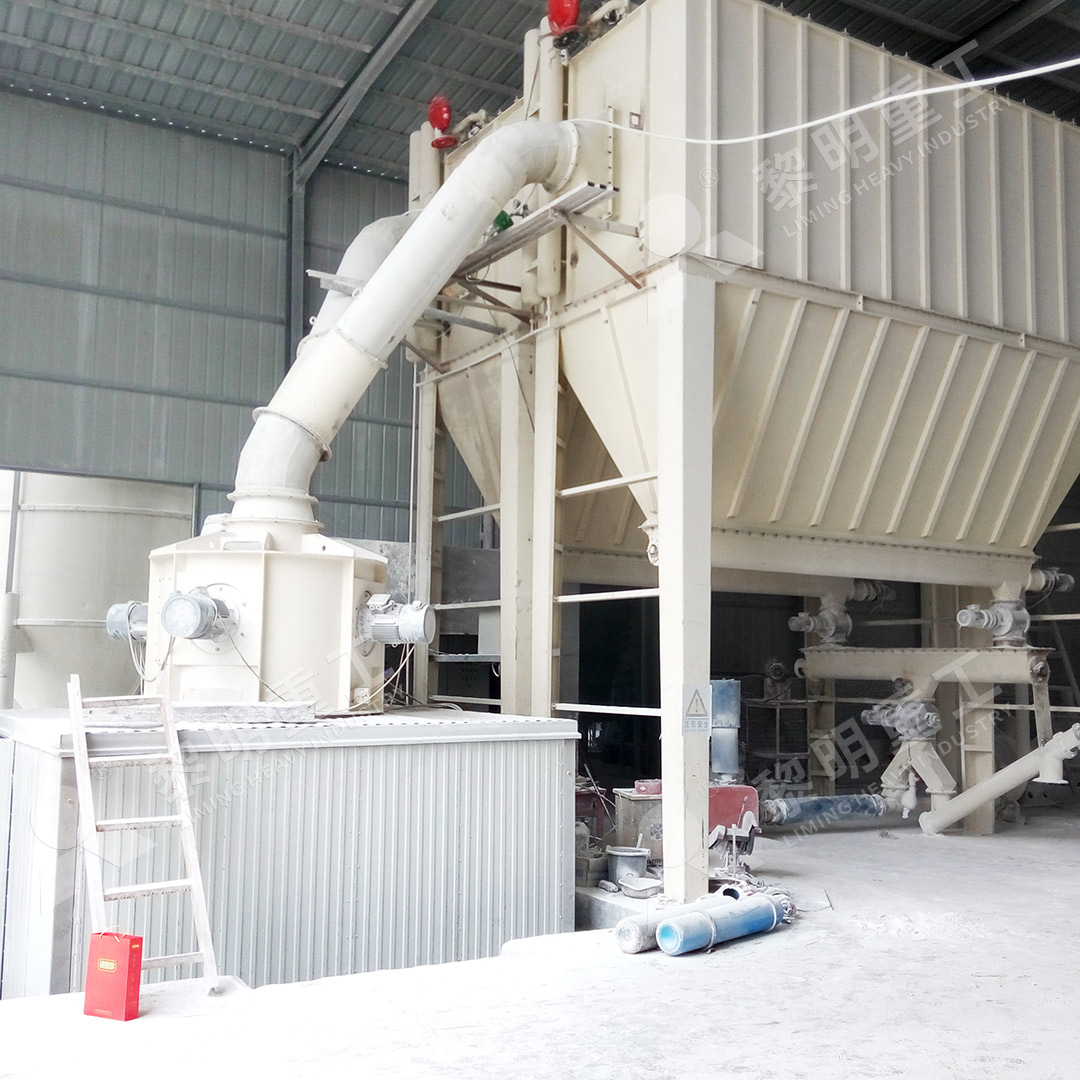
Another Strong Contender: LUM Ultrafine Vertical Grinding Mill
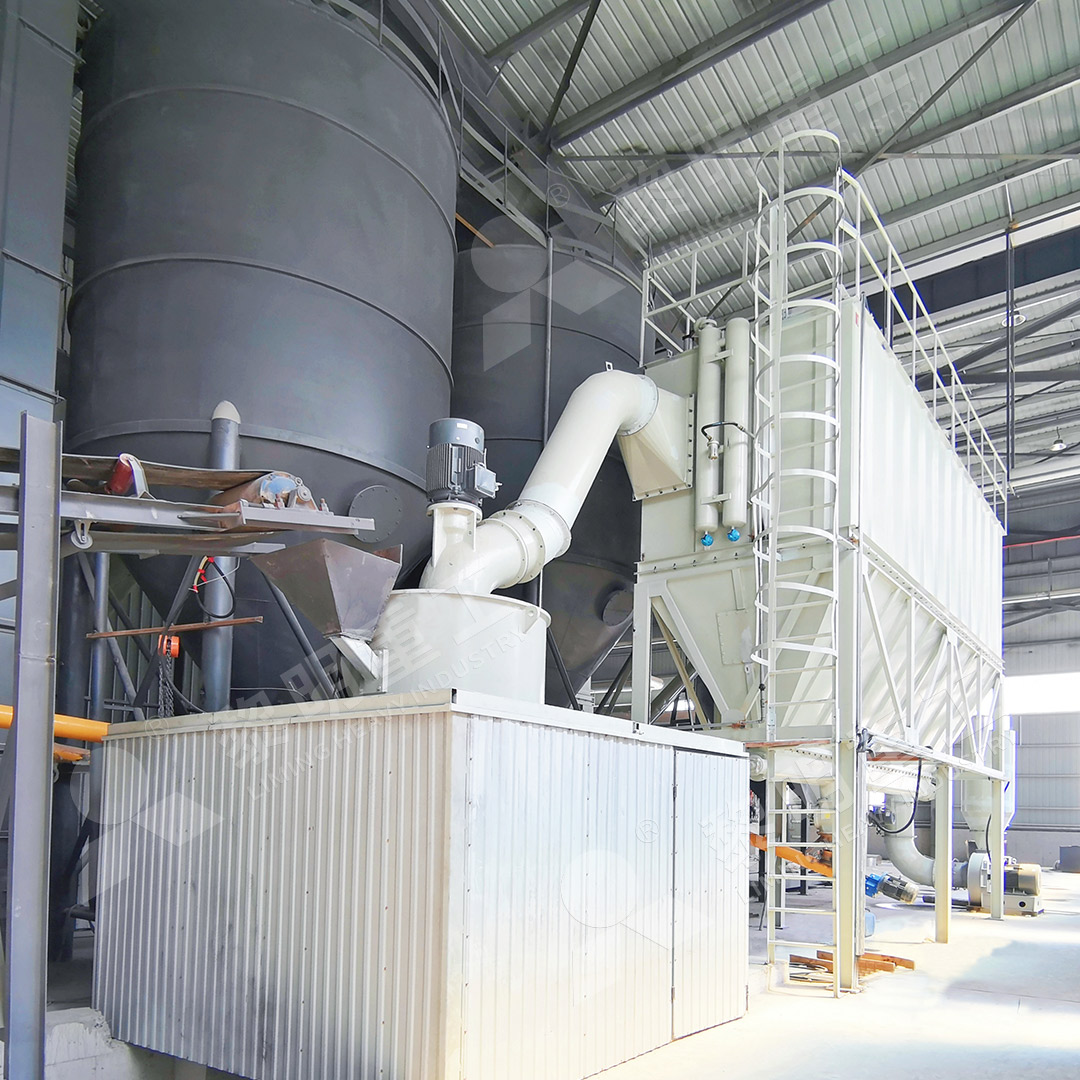
Another exceptional piece of technology for fine and ultra-fine grinding is the LUM Ultrafine Vertical Grinding Mill. It integrates grinding, grading, and transporting into a single, compact unit. It boasts higher yielding rates and better product quality due to its unique roller shell and lining plate grinding curve, which is easier to generate a material layer and realize a high rate of finished products by once powder milling.
Its standout features include:
- More energy-saving multi-head powder separating technology, reducing energy consumption by 30%-50%.
- Double position-limiting technology for exceptional operational stability, preventing destructive impacts from vibration.
- A reversible structure that simplifies maintenance, allowing grinding rollers to be easily moved out for service.
Conclusion: Investing in German-Engineered Efficiency
The choice of grinding equipment is pivotal to the profitability and sustainability of any industrial operation. While German ball mill manufacturers have a storied reputation, the future lies in adopting advanced grinding technologies like the MW and LUM mills. They represent the culmination of German engineering principles—efficiency, precision, and reliability—applied to modern grinding challenges. By investing in such equipment, plants can achieve drastic reductions in energy costs, superior product quality, and a significantly smaller environmental footprint, ensuring they remain competitive in an increasingly demanding market.