
Ball Milling Process for Copper Ore: A Guide for Zambian Mining Operations
We provide a wide range of mills — including Raymond mill, trapezoidal mill, vertical mill, ultrafine mill, and ball mill, obtained ISO9001 international quality certification, EU CE certification, and Customs Union CU-TR certification. Suitable for processing minerals such as limestone, phosphate, quicklime, kaolin, talc, barite, bentonite, calcium carbonate, dolomite, coal, gypsum, clay, carbon black, slag, cement raw materials, cement clinker, and more.
The discharge range of these mills can be adjusted to meet specific processing needs, typically from 80-400 mesh, 600-3250 mesh, and can achieve the finest particle size of up to 6000 mesh(D50).
If you are looking for a reliable grinding solution to turn stone or minerals into fine powder, please feel free to contact our online customer service.
Ball Milling Process for Copper Ore: A Guide for Zambian Mining Operations
Copper ore processing in Zambia, a nation built on its rich mineral wealth, relies heavily on efficient and reliable grinding technology. The ball milling process is a fundamental stage in liberating valuable copper minerals from the host rock. While traditional ball mills have been the industry workhorse for decades, advancements in grinding technology now offer Zambian operations significant oppertunities to enhance efficiency, reduce operating costs, and improve overall profitability.
The Role of Ball Milling in Copper Beneficiation
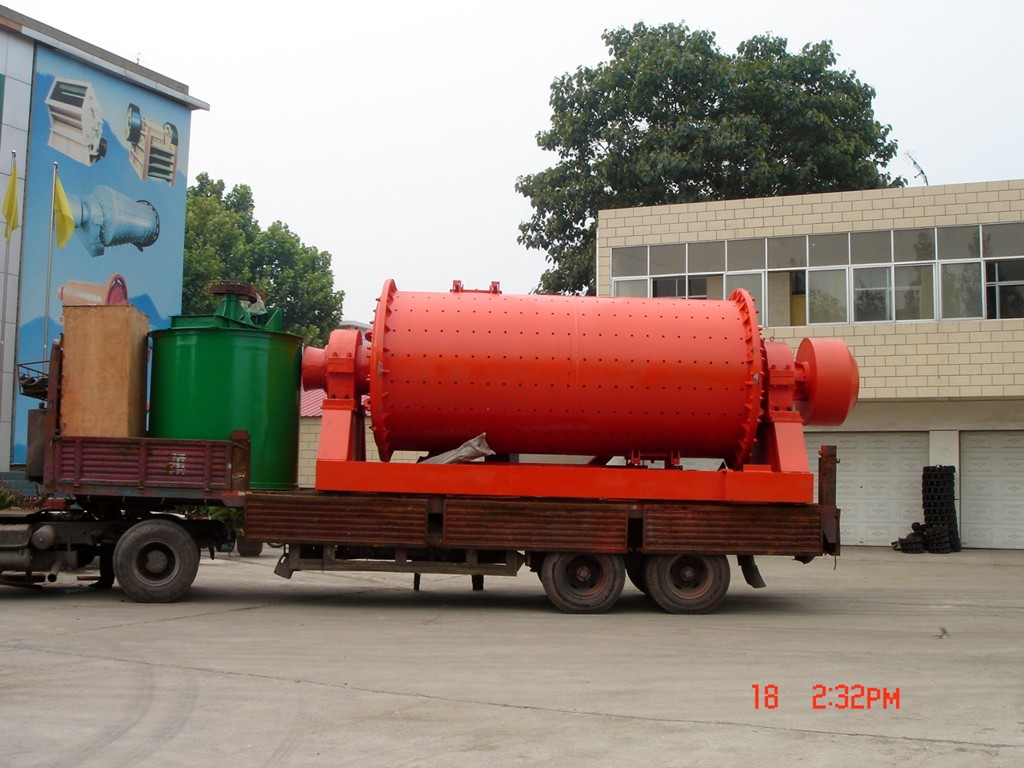
After primary crushing, copper ore must be ground to a fine powder to separate the copper-bearing minerals from the waste gangue. This is where the ball mill comes in. A ball mill is a horizontal rotating cylinder filled with steel balls of various sizes. As the mill rotates, the balls cascade and impact the ore, reducing it to the required fineness for the subsequent flotation process. The key is achieving the optimal grind size – too coarse, and copper recovery rates suffer; too fine, and energy costs skyrocket, and you risk overgrinding.
Challenges with Traditional Ball Milling
While effective, traditional ball mills are known for their high energy consumption. A significant portion of this energy is converted into heat and noise rather than productive grinding. Maintenance can also be intensive, with routine checks needed for liners, bearings, and the gearbox. For Zambian operations facing fluctuating ore grades and rising energy costs, these inefficiencies directly impact the bottom line.
Modernizing Your Grinding Circuit
The future of mineral processing lies in higher efficiency and lower energy consumption. This is where considering advanced grinding technologies becomes critical. For operations looking to upgrade their circuit or planning new projects, ultra-fine grinding mills present a compelling alternative for achieving superior liberation with remarkable energy savings.
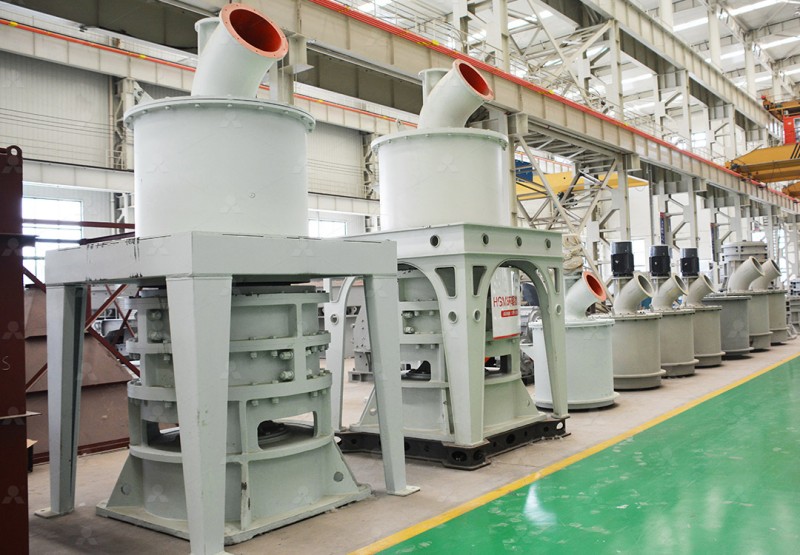
For instance, our MW Ultrafine Grinding Mill is engineered for operations that need to produce ultra-fine powder efficiently. With an input size of 0-20 mm and a capacity range of 0.5-25 tph, it’s perfectly suited for secondary or tertiary grinding stages in copper processing. Its design boasts 40% higher production capacity than jet mills and stirred mills at the same power, and its system energy consumption is a mere 30% of a jet mill’s. For a Zambian mine, this translates directly to lower electricity bills and a smaller carbon footprint.
Key Advantages for Zambian Operations
Why should a Zambian copper miner consider this technology? The benefits are clear:
- Substantial Energy Savings: Drastically reduce power consumption, a major cost driver.
- Enhanced Liberation: Produce a consistently fine product (adjustable between 325-2500 meshes) for improved recovery in flotation cells.
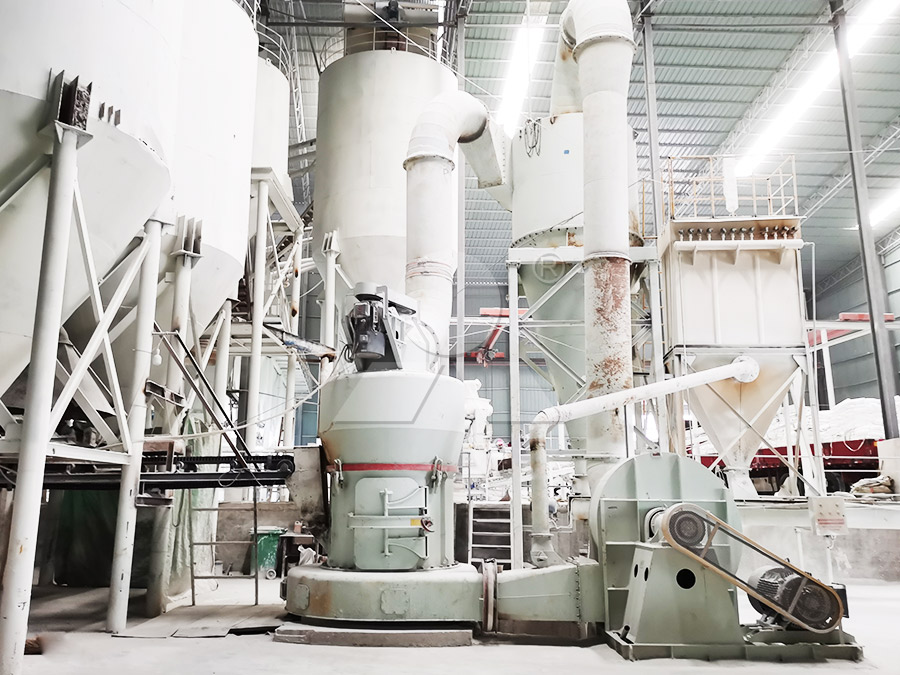
- Eco-Friendly Operation: Integrated pulse dust collectors and mufflers ensure the process meets stringent environmental standards, keeping dust and noise pollution to a minimum.
- Reduced Maintenance: The innovative design has no rolling bearings or screws in the grinding chamber, eliminating common failure points and allowing for external lubrication without shutdown.
Making the Right Choice for Your Mine
Selecting the right grinding equipment is a strategic decision. It depends on your ore characteristics, desired capacity, and final product size. While the robust ball mill remains a valid option, integrating an ultra-fine grinding solution like the MW series can optimize your entire process flow, leading to a more profitable and sustainable operation.
Zambia’s copper industry is poised for growth. By adopting modern, efficient technologies like the MW Ultrafine Grinding Mill, mining companies can ensure they are not only extracting copper but also extracting maximum value from every ton of ore processed, securing their competitive edge in the global market for years to come.