
Vintage Wet Stone Grinders in Indonesia: Images and Historical Uses
We provide a wide range of mills — including Raymond mill, trapezoidal mill, vertical mill, ultrafine mill, and ball mill, obtained ISO9001 international quality certification, EU CE certification, and Customs Union CU-TR certification. Suitable for processing minerals such as limestone, phosphate, quicklime, kaolin, talc, barite, bentonite, calcium carbonate, dolomite, coal, gypsum, clay, carbon black, slag, cement raw materials, cement clinker, and more.
The discharge range of these mills can be adjusted to meet specific processing needs, typically from 80-400 mesh, 600-3250 mesh, and can achieve the finest particle size of up to 6000 mesh(D50).
If you are looking for a reliable grinding solution to turn stone or minerals into fine powder, please feel free to contact our online customer service.
Vintage Wet Stone Grinders in Indonesia: Images and Historical Uses
Indonesia’s rich cultural heritage is deeply intertwined with traditional craftsmanship, and among the most iconic tools are the vintage wet stone grinders. These manual grinding stones, often made from large, flat slabs of sandstone or basalt, have been used for centuries across the archipelago for everything from sharpening blades to processing foodstuffs. The traditional batu giling (grinding stone) and batu lesung (mortar and pestle) were essential in every household and workshop, representing a time when grinding was a slow, deliberate process deeply connected to the rhythm of daily life.
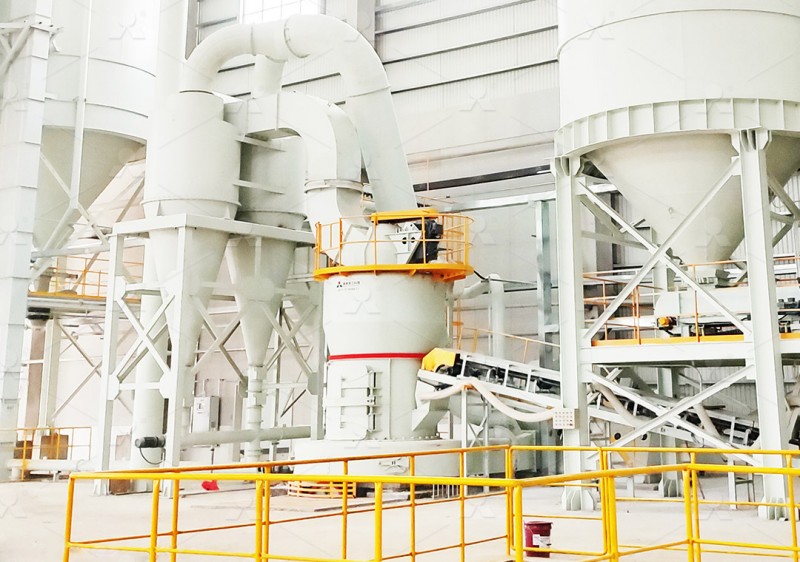
Historically, these grinders were used for a multitude of purposes. In rural communities, they were indispensable for sharpening agricultural tools like sickles and machetes, which were vital for farming. The constant flow of water over the stone served as a coolant, preventing the metal from losing its temper during sharpening. In the culinary world, larger flat grinders were used to create rich, flavorful pastes from spices, nuts, and grains, forming the base for many traditional Indonesian dishes like bumbu and rempah. The slow grinding process was believed to release more flavor and create a superior texture compared to modern methods.
The Evolution to Modern Milling
While these vintage tools hold immense cultural value, the industrial era demanded efficiency, consistency, and higher output. The manual, labor-intensive process of wet stone grinding gave way to mechanical mills. Today, the principles of crushing and grinding remain, but they are executed with precision engineering and advanced technology to meet the needs of modern industry, from mining to food production.
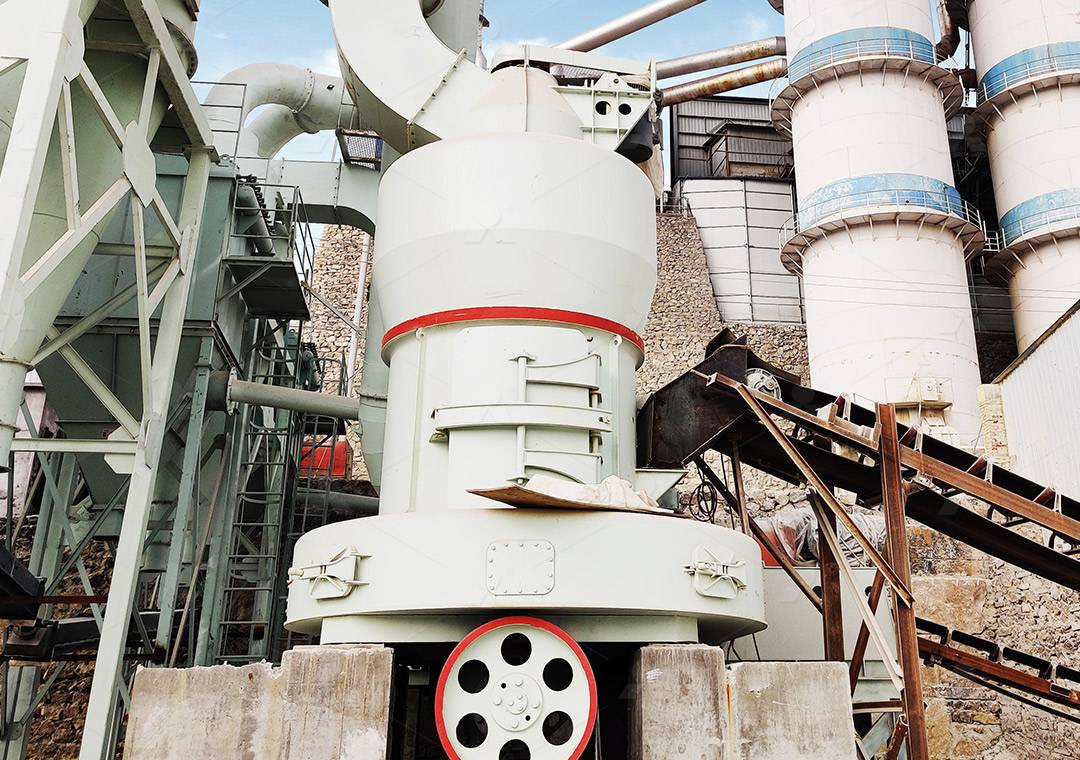
For operations that require moving beyond traditional methods to achieve ultra-fine powders for chemicals, paints, cosmetics, or high-grade minerals, modern equipment is essential. For instance, our MW Ultrafine Grinding Mill is engineered for customers who need to make ultra-fine powder with superior efficiency. With an input size of 0-20 mm and a capacity ranging from 0.5 to 25 tons per hour, it is equipped with an efficient pulse dust collector and muffler, significantly reducing environmental impact. Its innovative design features higher yielding at lower energy consumption—40% higher capacity than jet mills—and produces a fineness adjustable between 325-2500 meshes.
Preserving the Past, Embracing the Future
Vintage wet stone grinders are still found in many Indonesian villages, not just as museum pieces but as functional tools for artisans who value the traditional methods. They represent a connection to a slower, more hands-on way of life. However, for large-scale production where precision, hygiene, and volume are paramount, modern grinding solutions are irreplaceable.
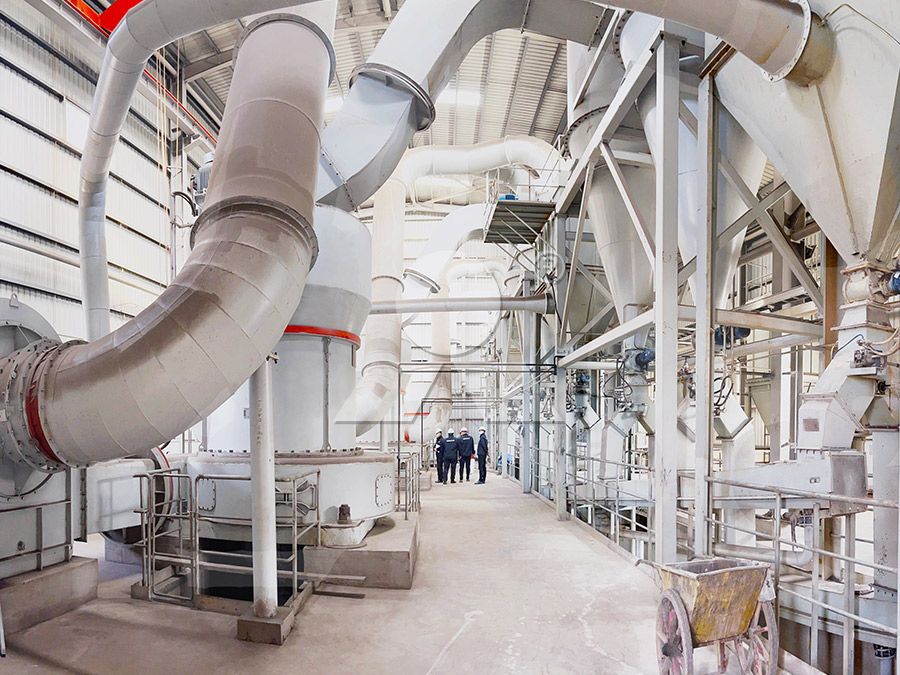
Another excellent solution for modern operations is our LUM Ultrafine Vertical Grinding Mill. Independently designed with the latest grinding roller and powder separating technology, it integrates grinding, grading, and transporting. It handles an input size of 0-10 mm with a capacity of 5-18 tph, making it a perfect choice for processing limestone, calcite, and dolomite into superfine dry powder. Its energy-saving multi-head powder separating technology reduces consumption by 30%-50% compared to common grinding mills.
The journey from the manual batu giling to fully automated, computer-controlled mills is a testament to human ingenuity. While we cherish the history embedded in those vintage stones, we also champion the technology that allows Indonesian industries to compete on a global scale, producing high-quality materials with unprecedented efficiency and environmental responsibility.