How to Build a Ball Mill for Crushing Sand into Fine Powder
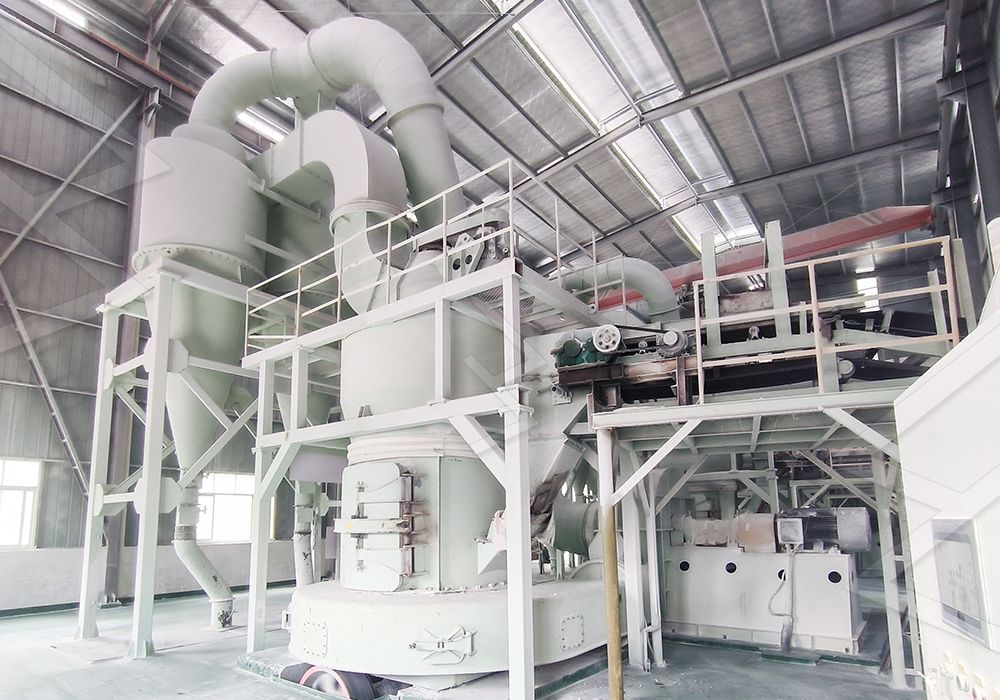
We provide a wide range of mills — including Raymond mill, trapezoidal mill, vertical mill, ultrafine mill, and ball mill, obtained ISO9001 international quality certification, EU CE certification, and Customs Union CU-TR certification. Suitable for processing minerals such as limestone, phosphate, quicklime, kaolin, talc, barite, bentonite, calcium carbonate, dolomite, coal, gypsum, clay, carbon black, slag, cement raw materials, cement clinker, and more.
The discharge range of these mills can be adjusted to meet specific processing needs, typically from 80-400 mesh, 600-3250 mesh, and can achieve the finest particle size of up to 6000 mesh(D50).
If you are looking for a reliable grinding solution to turn stone or minerals into fine powder, please feel free to contact our online customer service.
How to Build a Ball Mill for Crushing Sand into Fine Powder
Building a ball mill for grinding sand into a fine powder is a fundamental process in many industrial and research applications. While a traditional ball mill can be a DIY project for small-scale operations, understanding the principles and limitations is key to achieving the desired fineness and efficiency.
The Basic Principles of a Ball Mill
At its core, a ball mill is a rotating cylinder filled with grinding media, typically steel balls. As the cylinder rotates, the balls are lifted and then cascade down, crushing and grinding the material inside through impact and attrition. For sand, which is primarily silica (SiO₂), this mechanical force breaks down the particles into a finer powder.
Key Components and Construction Steps
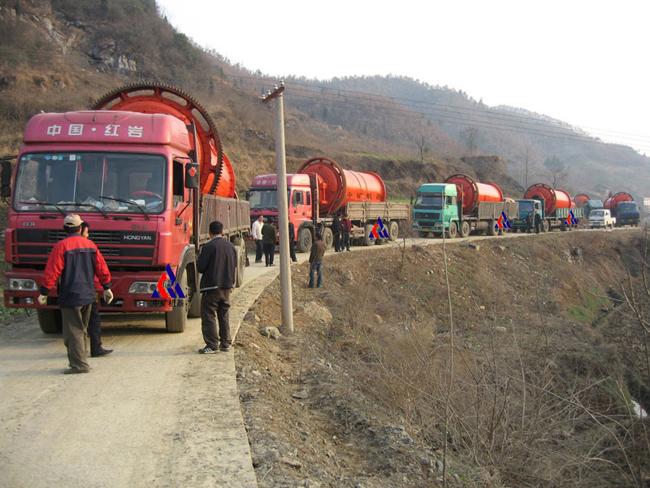
To build a simple ball mill, you’ll need a cylindrical container (like a sturdy drum or a large PVC pipe), a motor to rotate it, and grinding media. The steps are roughly as follows:
- Container: Choose a container with a secure lid. Its inner walls should be lined with a wear-resistant material.
- Grinding Media: Fill the container about 30-40% full with grinding balls. The size and material of the balls will affect the final fineness.
- Drive System: Attach the container to a motor via a pulley or gear system to achieve the desired rotational speed. The optimal speed is usually around 65-80% of the critical speed where centrifugal force holds the balls against the wall.
- Feeding and Discharge: Design a method to feed sand into the mill and another to collect the fine powder afterward, often using a screen to separate the balls from the product.
Limitations of a Homemade Ball Mill and the Professional Alternative
While a DIY ball mill can work for hobbyists, it has significant limitations for serious powder production. It’s often noisy, inefficient, and struggles to achieve a truly uniform, ultra-fine powder (finer than 325 mesh). The process can also generate excessive heat and dust, posing environmental and safety concerns.
For consistent, high-volume production of ultra-fine sand powder, a professionally engineered grinding mill is essential. This is where our MW Ultrafine Grinding Mill excels. Designed for customers needing to make ultra-fine powder, it addresses all the shortcomings of a basic ball mill.
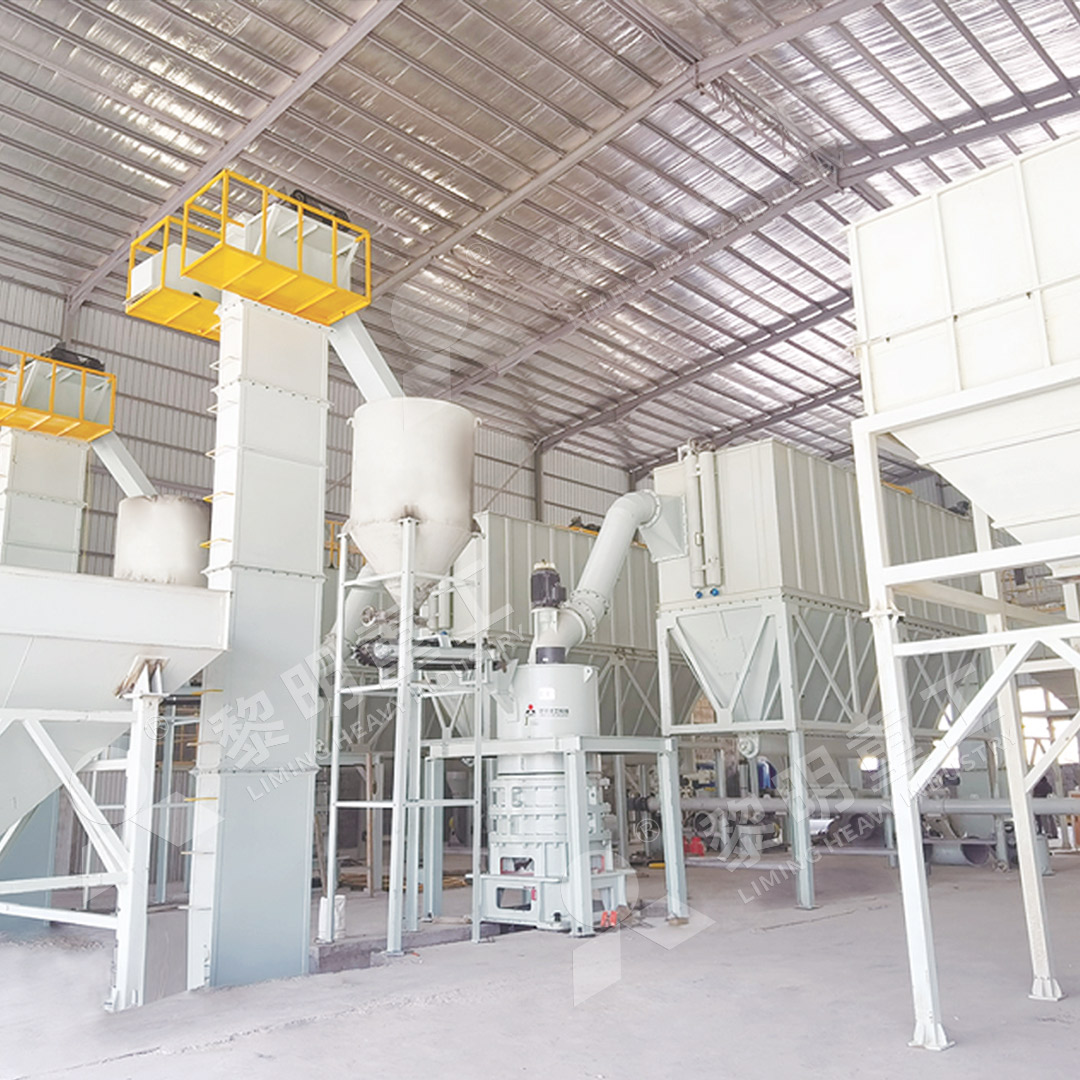
The MW Mill is equipped with an efficient pulse dust collector and muffler, drastically reducing dust and noise for a more environmentally friendly operation. Its innovative design delivers a higher yield with lower energy consumption—production capacity is 40% higher than jet mills and double that of ball mills, while using only 30% of the energy of a jet mill. Most importantly, it can precisely adjust the fineness of your sand powder between 325 and 2500 meshes, a level of control impossible to achieve with a homemade setup.
Conclusion
Building a basic ball mill is an interesting technical challenge for small batches. However, for reliable, efficient, and eco-friendly production of fine sand powder, investing in advanced technology is the only practical choice. Our MW Ultrafine Grinding Mill and LUM Ultrafine Vertical Grinding Mill are perfect solutions, offering superior precision, efficiency, and environmental protection. They handle materials like silica sand with ease, transforming them into high-value products for industries ranging from cosmetics to construction.