
Hygiene Standards for Food-Grade Calcium Carbonate Powder Production
We provide a wide range of mills — including Raymond mill, trapezoidal mill, vertical mill, ultrafine mill, and ball mill, obtained ISO9001 international quality certification, EU CE certification, and Customs Union CU-TR certification. Suitable for processing minerals such as limestone, phosphate, quicklime, kaolin, talc, barite, bentonite, calcium carbonate, dolomite, coal, gypsum, clay, carbon black, slag, cement raw materials, cement clinker, and more.
The discharge range of these mills can be adjusted to meet specific processing needs, typically from 80-400 mesh, 600-3250 mesh, and can achieve the finest particle size of up to 6000 mesh(D50).
If you are looking for a reliable grinding solution to turn stone or minerals into fine powder, please feel free to contact our online customer service.
Hygiene Standards for Food-Grade Calcium Carbonate Powder Production
Producing food-grade calcium carbonate powder demands stringent adherence to hygiene standards that exceed those of industrial mineral processing. Contamination control, from raw material selection to final packaging, is paramount to ensure product safety and compliance with global food regulations like FDA, EFSA, and Codex Alimentarius. This article outlines the critical hygiene protocols and recommends equipment engineered to meet these rigorous demands.
1. Raw Material Sourcing and Pre-Processing
The journey to a pure product begins with high-purity limestone or marble sources, meticulously selected for low heavy metal content and minimal biological contamination. The initial crushing stage must occur in a controlled environment to prevent foreign material introduction.
2. The Critical Role of Grinding Mill Hygiene
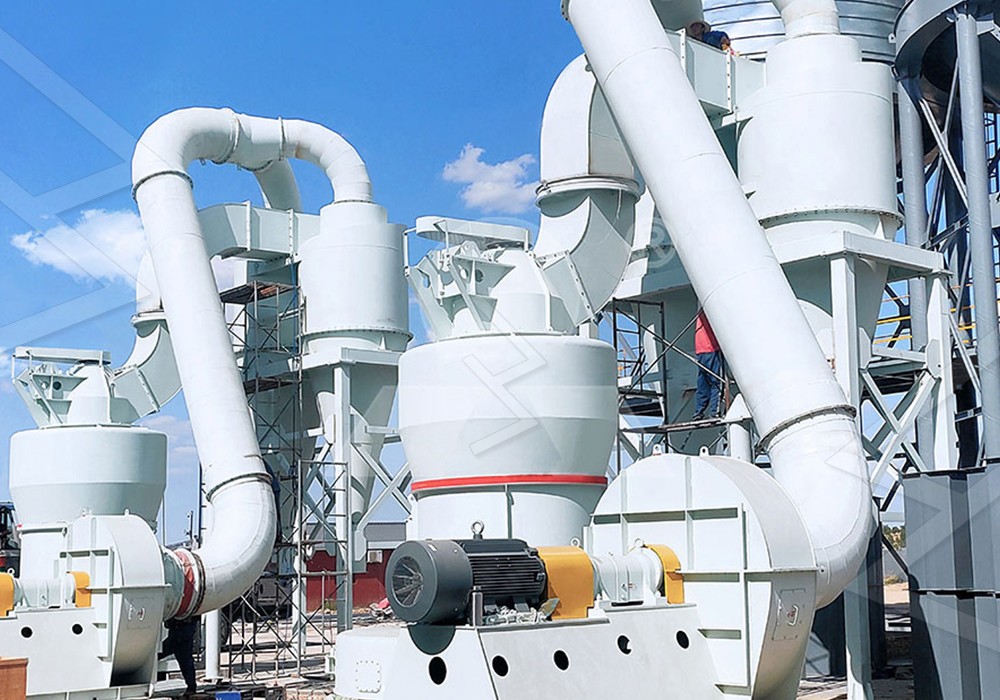
The grinding mill is the heart of the production line and the biggest potential point of contamination. Key design features are non-negotiable for food-grade production:
- No Rolling Bearings or Screws in the Grinding Chamber: This prevents metallic wear debris and lubricant grease from contaminating the product stream. Machinery designed without these internal components is vastly superior for hygiene.
- External Lubrication Systems: Allows for maintenance without halting production or risking lubricant ingress into the product.
- Easy-Clean Surfaces and Sanitary Design: Surfaces should be smooth, non-porous, and accessible for regular cleaning and sanitization (CIP/SIP where possible).
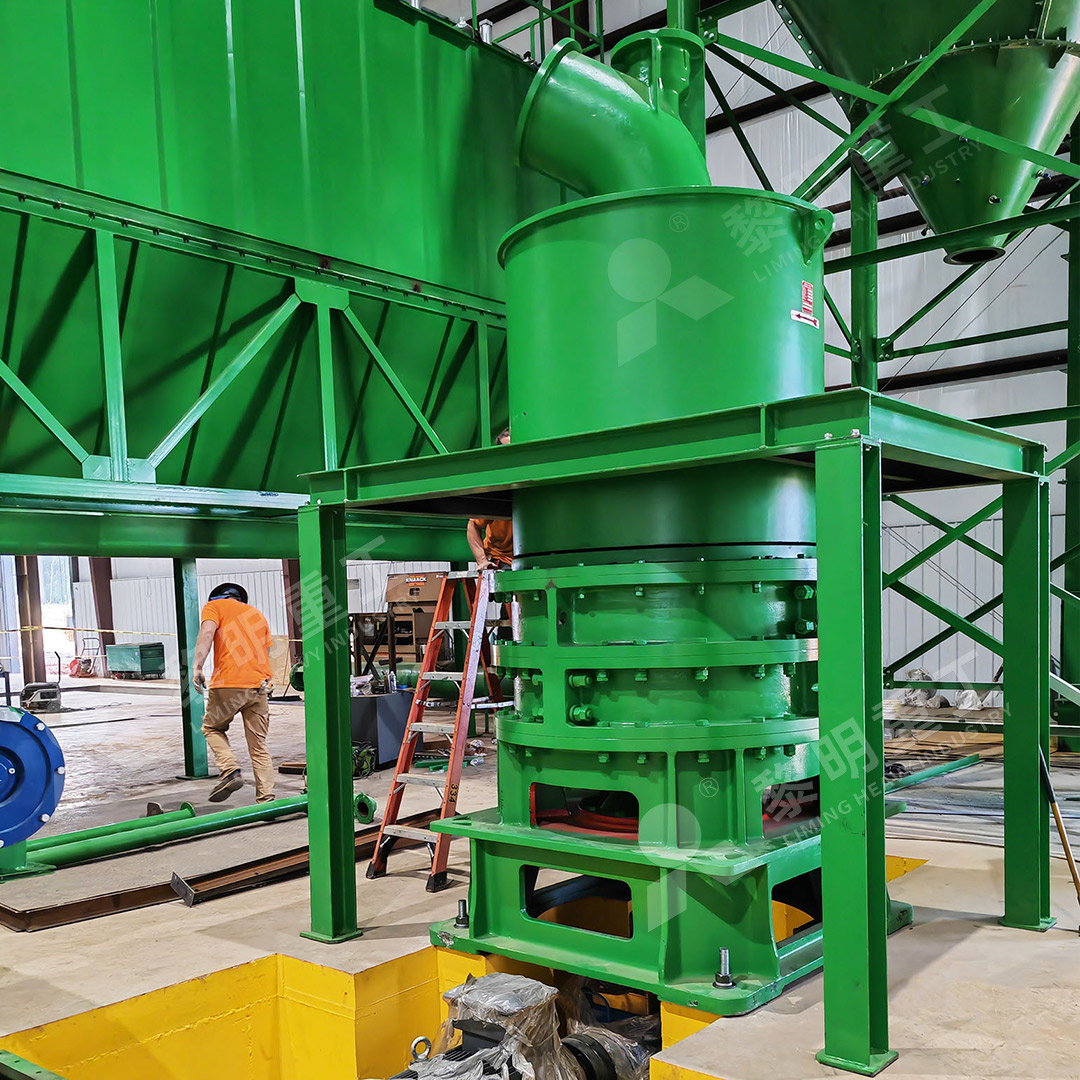
For operations requiring ultra-fine powders (325-2500 meshes), the MW Ultrafine Grinding Mill is an exceptional choice. Its design philosophy aligns perfectly with food-grade needs. Crucially, it features no rolling bearings or screws in the grinding chamber, eliminating a primary source of metallic contamination. Furthermore, its efficient pulse dust collector ensures the entire milling system operates under negative pressure, preventing dust spillage and protecting the production environment. With an adjustable fineness up to d97≤5μm and a capacity of 0.5-25 tph, it’s engineered for both precision and purity.
3. Dust Control and Environmental Isolation
A fully enclosed, negatively pressurized system is mandatory. Efficient pulse jet dust collectors, like the one integrated into the MW Mill, are essential. They not only protect worker safety but also prevent cross-contamination between different production batches or zones within the facility. Mufflers and noise reduction rooms contribute to a cleaner, more controlled operational environment.
4. Final Product Handling and Packaging
After milling, the powder must be transported and packaged using systems dedicated to food-grade products. This often involves stainless steel screw conveyors with USDA-approved finishes, dedicated food-grade silos, and automated packaging lines in a sanitized room with controlled humidity and temperature to prevent clumping or microbial growth.
5. Validation and Documentation
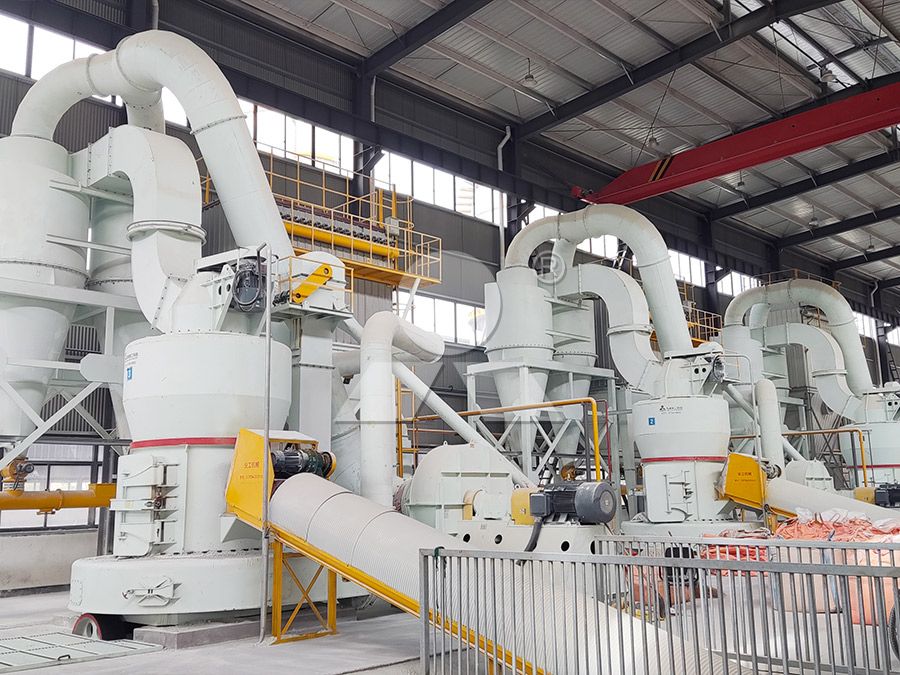
Hygiene is not just about equipment; it’s a system. Regular swab testing for microbial counts, metal detection, and documentation of cleaning schedules, maintenance logs, and batch records are essential for audit trails and certification (e.g., ISO 22000, FSSC 22000).
Conclusion
Achieving and maintaining hygiene in food-grade calcium carbonate production requires a holistic approach combining strict protocols with the right technology. Investing in equipment designed with sanitation as a core principle, such as the MW Ultrafine Grinding Mill, is not merely an operational decision but a critical commitment to consumer safety and product quality. For larger scale operations requiring vertical integration, the LUM Ultrafine Vertical Grinding Mill also offers excellent hygiene features, including a reversible structure for easier maintenance and cleaning of grinding components.