
High-Purity Manganese Sulfate Production: Manganese Slag Vertical Grinding Mill Manufacturers
We provide a wide range of mills — including Raymond mill, trapezoidal mill, vertical mill, ultrafine mill, and ball mill, obtained ISO9001 international quality certification, EU CE certification, and Customs Union CU-TR certification. Suitable for processing minerals such as limestone, phosphate, quicklime, kaolin, talc, barite, bentonite, calcium carbonate, dolomite, coal, gypsum, clay, carbon black, slag, cement raw materials, cement clinker, and more.
The discharge range of these mills can be adjusted to meet specific processing needs, typically from 80-400 mesh, 600-3250 mesh, and can achieve the finest particle size of up to 6000 mesh(D50).
If you are looking for a reliable grinding solution to turn stone or minerals into fine powder, please feel free to contact our online customer service.
High-Purity Manganese Sulfate Production: Manganese Slag Vertical Grinding Mill Manufacturers
In the realm of high-purity manganese sulfate production, the efficent processing of manganese slag is a critical step that directly impacts product quality, operational costs, and environmental compliance. Traditional grinding methods often fall short in terms of energy consumption, particle size distribution, and overall system stability. This is where advanced vertical grinding technology from experienced manufacturers becomes paramount.
The Challenge of Manganese Slag Grinding
Manganese slag, a by-product from various industrial processes, presents unique challenges for size reduction. Its abrasive nature and varying moisture content demand robust and precise milling equipment. Conventional ball mills or Raymond mills often lead to excessive energy use, inconsistent fineness, and higher maintenance frequencies due to direct metal-to-metal contact in the grinding chamber.
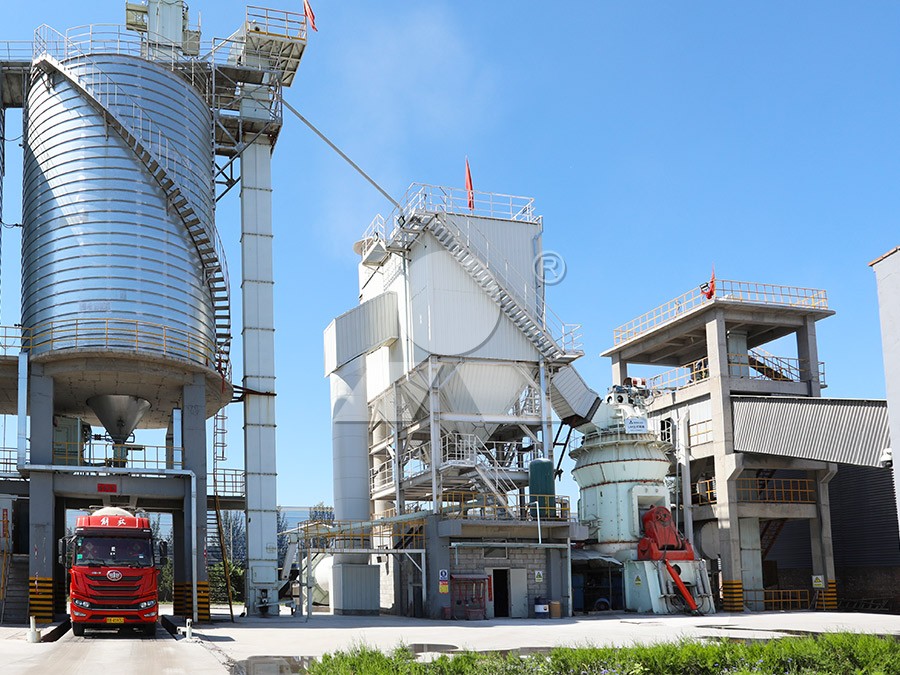
For producers aiming to achieve the stringent purity levels required for battery-grade manganese sulfate, the selection of the grinding mill is not merely an operational choice but a strategic one. The equipment must deliver ultra-fine powders with a narrow particle size distribution while minimizing iron contamination—a common impurity that can severely degrade the final product’s quality.
Technological Advancements in Vertical Grinding
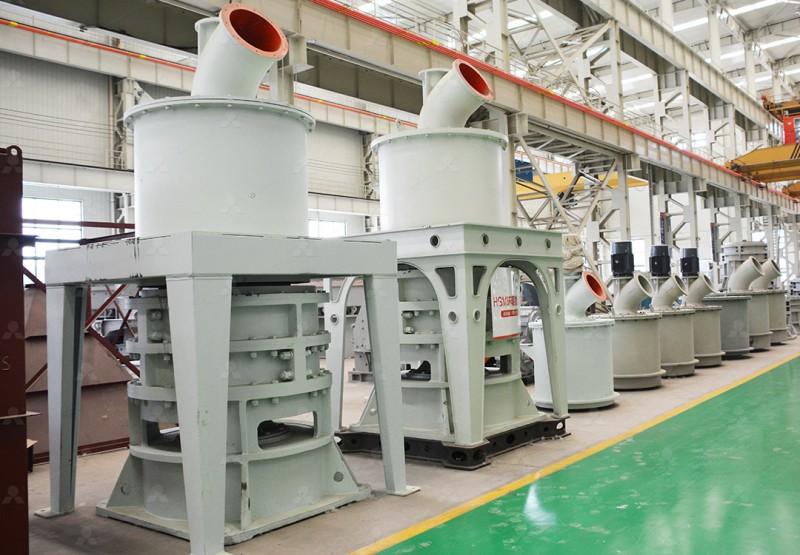
Leading manufacturers have responded to these challenges with engineered solutions like the MW Ultrafine Grinding Mill. This machine is specifically designed for customers who need to make ultra-fine powder from abrasive materials like manganese slag. With an input size of 0-20 mm and a capacity range of 0.5-25 tph, it offers remarkable flexibility.
A key advantage of the MW Mill is its innovative design that eliminates rolling bearings and screws inside the grinding chamber. This architecture is a game-changer for processing abrasive materials like slag, as it eradicates the primary failure points—bearing seizures and loose fasteners—that plague traditional mills. Operators are freed from constant worries about mechanical damage, allowing for continuous, worry-free 24/7 production runs, which is essential for meeting high-volume demands.

Precision, Efficiency, and Environmental Stewardship
The MW Mill’s cage-type powder selector, incorporating German technology, is instrumental for manganese sulfate production. It allows operators to precisely adjust the product fineness between 325 and 2500 meshes, achieving a critical d97≤5μm in a single pass. This level of control ensures the consistent surface area and reactivity needed for subsequent chemical processing into high-purity sulfate.
Furthermore, the integration of an efficient pulse dust collector and muffler addresses two major concerns in slag processing: dust pollution and noise. The entire milling system operates cleanly, with emissions far surpassing national environmental protection standards. This makes the MW Mill not just a tool for production, but a partner in sustainable and responsible manufacturing.
Another Premier Solution: The LUM Ultrafine Vertical Grinding Mill
For operations requiring even more specialized performance, the LUM Ultrafine Vertical Grinding Mill stands out. With an input size of 0-10 mm and a capacity of 5-18 tph, it integrates the latest Taiwanese grinding roller technology and German powder separating technology. Its unique roller shell and lining plate grinding curve are easier to generate a stable material layer, achieving a high rate of finished products in a single pass. This significantly enhances the whiteness and cleanliness of the final powder—a non-negotiable requirement for high-purity applications.
The LUM Mill’s double position-limiting technology is a critical feature for handling the vibrations inherent in processing dense slag, preventing destructive impacts and guaranteeing unparalleled operational stability. Its reversible structure, another innovative design, simplifies maintenance dramatically. Heavy grinding rollers can be easily moved out of the body for inspection or part replacement, drastically reducing costly downtime and ensuring a consistent supply of high-quality manganese powder.
Conclusion: Partnering with the Right Manufacturer
The journey to producing high-purity manganese sulfate begins with the meticulous preparation of raw materials. Investing in advanced vertical grinding technology from a reputable manufacturer is not an expense but a cornerstone for long-term profitability and market leadership. Equipment like the MW and LUM Ultrafine Grinding Mills offer the perfect blend of high yield, superior product quality, remarkable energy savings, and minimal environmental impact, providing a definitive competitive edge in this demanding industry.