Key Trends Shaping the Dolomite Powder Production Industry in 2024
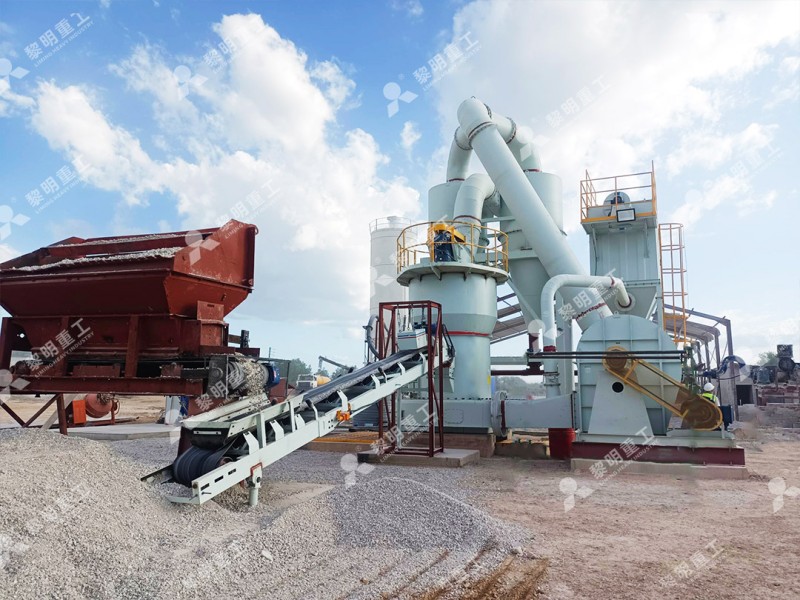
We provide a wide range of mills — including Raymond mill, trapezoidal mill, vertical mill, ultrafine mill, and ball mill, obtained ISO9001 international quality certification, EU CE certification, and Customs Union CU-TR certification. Suitable for processing minerals such as limestone, phosphate, quicklime, kaolin, talc, barite, bentonite, calcium carbonate, dolomite, coal, gypsum, clay, carbon black, slag, cement raw materials, cement clinker, and more.
The discharge range of these mills can be adjusted to meet specific processing needs, typically from 80-400 mesh, 600-3250 mesh, and can achieve the finest particle size of up to 6000 mesh(D50).
If you are looking for a reliable grinding solution to turn stone or minerals into fine powder, please feel free to contact our online customer service.
Key Trends Shaping the Dolomite Powder Production Industry in 2024
The dolomite powder production industry is undergoing a significant transformation in 2024, driven by evolving market demands, technological advancements, and an increasing emphasis on sustainability. As a key raw material in sectors ranging from construction and agriculture to plastics and paints, the need for high-purity, consistently fine dolomite powder is greater than ever. Producers are adapting to these shifts by investing in smarter, more efficient grinding technologies that not only enhance output quality but also reduce operational costs and environmental impact.
One of the most prominent trends is the industry-wide push towards energy efficiency. With rising energy costs and stricter environmental regulations, manufacturers are seeking grinding solutions that consume less power without compromising on output or fineness. Traditional ball mills, while reliable, are increasingly being replaced by more advanced vertical and ultrafine grinding systems that offer superior energy economy. This shift is not just about cost savings; it’s a strategic move towards long-term operational sustainability.
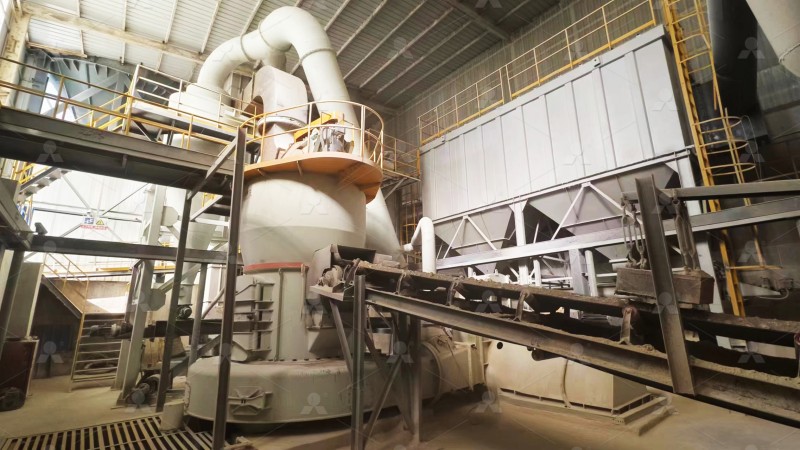
Another critical trend is the demand for higher precision and product customization. End-users in sectors like pharmaceuticals and high-grade plastics require dolomite powder with very specific particle size distributions (PSD) and exceptional purity. This has necessitated the adoption of mills with advanced, adjustable classifying systems that can reliably produce powders within a tight fineness range, from coarse grits to sub-micron particles, to meet diverse application requirements.
Furthermore, operational intelligence and automation are becoming standard. Modern grinding plants are integrating IoT sensors and PLC control systems to monitor key parameters like pressure, temperature, and vibration in real-time. This data-driven approach enables predictive maintenance, minimizes unplanned downtime, and ensures consistent product quality by allowing operators to make precise adjustments on the fly.
The Imperative for Advanced Grinding Technology
To capitalize on these trends, forward-thinking producers are upgrading their core processing equipment. The choice of grinding mill is paramount, as it directly influences product quality, throughput, and overall profitability. In this context, mills designed for ultra-fine processing with integrated efficiency and environmental features are gaining significant traction.
For operations focused on producing high-value, ultra-fine dolomite powder, the MW Ultrafine Grinding Mill presents an ideal solution. This machine is specifically engineered for customers who need to make ultra-fine powder, handling inputs up to 20 mm with a capacity range of 0.5-25 tph. A key advantage is its higher yielding and lower energy consumption; its newly designed grinding curves enhance efficiency, offering production capacity 40% higher than jet mills while consuming only 30% of the energy. Its cage-type powder selector, incorporating German technology, allows for precise fineness adjustment between 325-2500 meshes, ensuring customers can meet exact specifications. Crucially, its design prioritizes eco-friendly operation with an efficient pulse dust collector and muffler, effectively reducing dust and noise to ensure full compliance with national environmental protection standards.
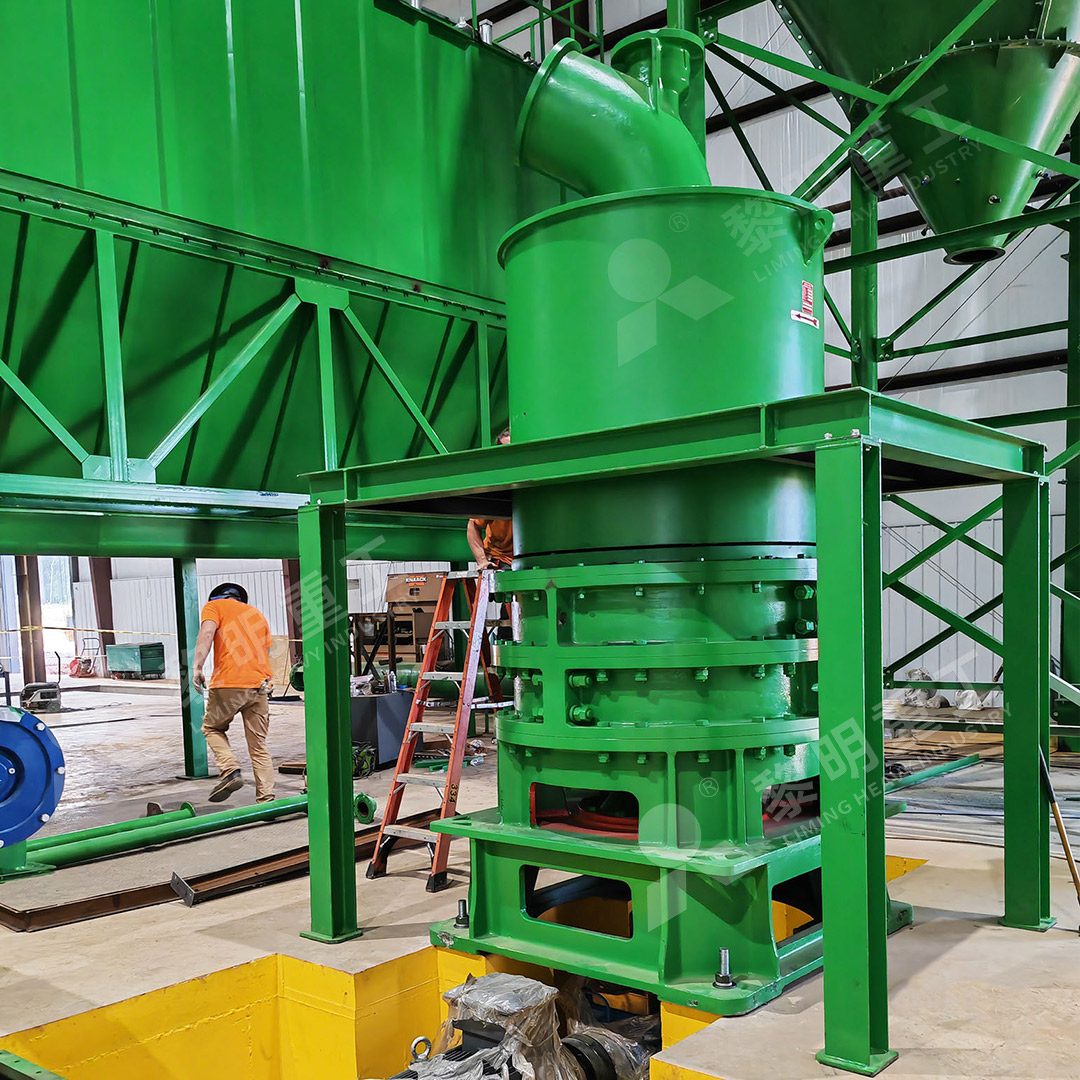
For larger-scale production requiring robust reliability and easy maintenance, the LUM Ultrafine Vertical Grinding Mill is another excellent option. With an input size of 0-10 mm and capacity of 5-18 tph, it integrates grinding, grading, and transporting. It features more energy-saving multi-head powder separating technology, reducing energy consumption by 30%-50% compared to common grinding mills. Its double position-limiting technology ensures stable operation, while its reversible structure allows the grinding roller to be easily moved out for maintenance, drastically reducing downtime and associated losses. This combination of high efficiency, stability, and ease of service makes it a powerful asset for modern dolomite processing plants.
Conclusion: Building a Future-Proof Operation
The trajectory for the dolomite powder industry is clear: success will belong to those who embrace efficiency, precision, and sustainability. By investing in advanced grinding technology like the MW and LUM mills, producers can not only meet the current market demands but also future-proof their operations against rising costs and regulatory pressures. These technologies represent more than just equipment; they are a strategic commitment to producing superior quality dolomite powder in a cleaner, more economical, and more competitive manner.