
Gold Ball Mill Prices in South Africa – Cost Analysis & Supplier Comparison
We provide a wide range of mills — including Raymond mill, trapezoidal mill, vertical mill, ultrafine mill, and ball mill, obtained ISO9001 international quality certification, EU CE certification, and Customs Union CU-TR certification. Suitable for processing minerals such as limestone, phosphate, quicklime, kaolin, talc, barite, bentonite, calcium carbonate, dolomite, coal, gypsum, clay, carbon black, slag, cement raw materials, cement clinker, and more.
The discharge range of these mills can be adjusted to meet specific processing needs, typically from 80-400 mesh, 600-3250 mesh, and can achieve the finest particle size of up to 6000 mesh(D50).
If you are looking for a reliable grinding solution to turn stone or minerals into fine powder, please feel free to contact our online customer service.
Navigating the Costs of Gold Milling in South Africa
For mining operations in South Africa, selecting the right grinding equipment is a critical financial and operational decision. The gold sector, in particular, demands robust and efficient milling solutions to process ore and maximize recovery rates. While traditional ball mills have been the industry workhorse for decades, their operational costs—driven by high energy consumption, maintenance downtime, and wear part replacement—can significantly eat into profit margins. A thorough cost analysis is essential for any operation looking to stay competitive.
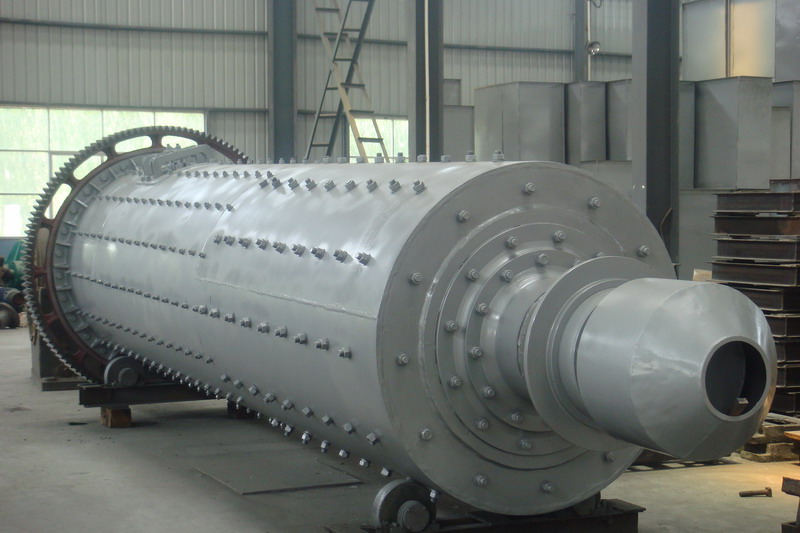
Breaking Down Ball Mill Expenses
The initial purchase price of a standard ball mill is often just the beginning. The true cost of ownership encompasses several key factors:
- Energy Consumption: Ball mills are notoriously energy-intensive, often accounting for over 50% of a plant’s total energy bill. Their efficiency drops significantly when grinding to finer sizes required for gold liberation.
- Media and Liner Wear: The constant impact and abrasion lead to high consumption of steel grinding balls and liner plates, resulting in ongoing material costs and downtime for replacement.
- Maintenance Downtime: Regular inspections, lubrication, and part changes halt production. Bearings and gears require constant attention, and the sheer weight of components makes maintenance a slow, labor-intensive process.
- Footprint & Infrastructure: Ball mills require a substantial foundation and a large building footprint, adding to civil construction costs.
Beyond the Ball Mill: Modern Alternatives for Higher Profitability
The market offers advanced grinding technologies that address many of the ball mill’s shortcomings. For operations focused on ultra-fine grinding to enhance gold recovery—especially in refractory ore processing—vertical mills and specialized ultra-fine grinders present a compelling case.
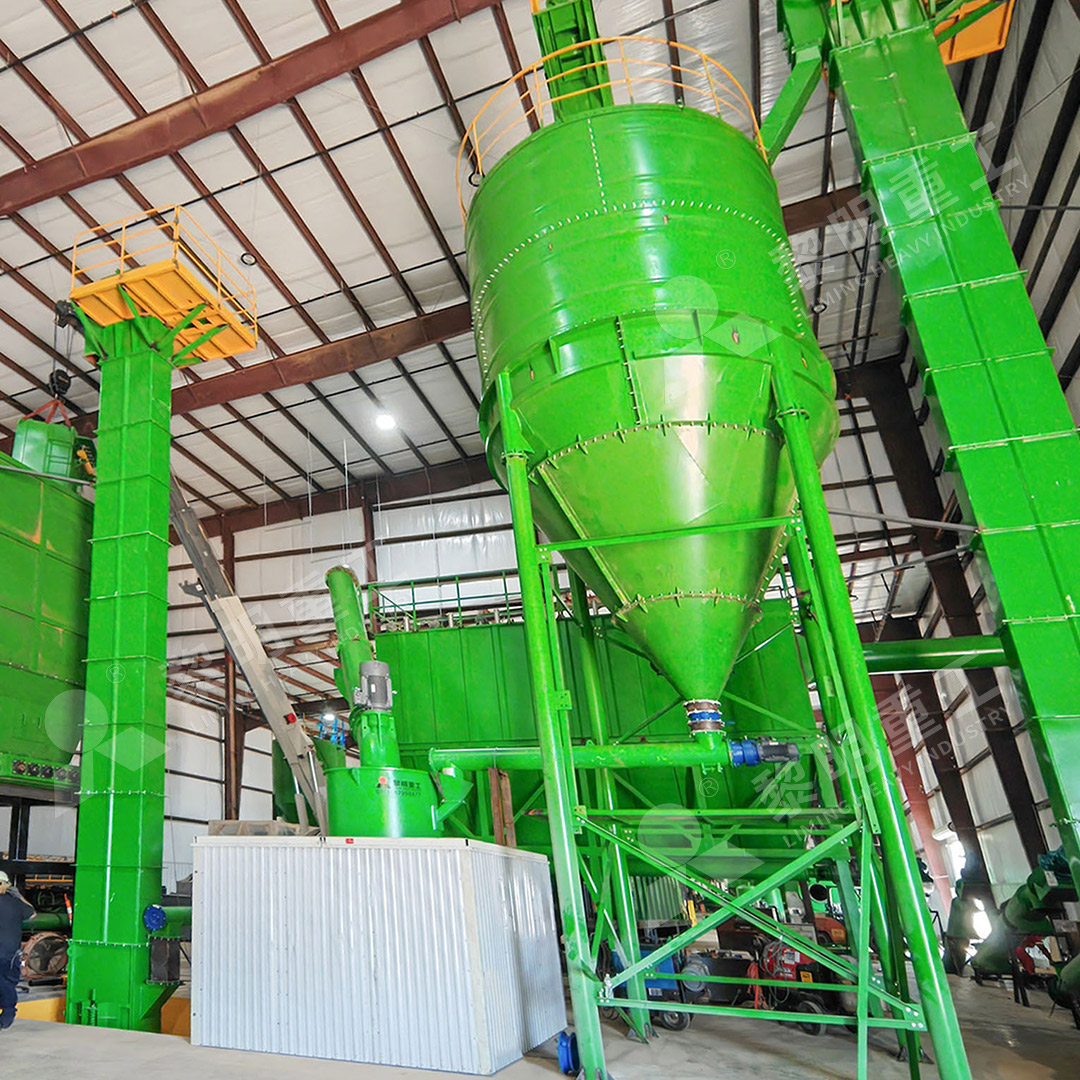
For instance, our MW Ultrafine Grinding Mill is engineered for customers who need to make ultra-fine powder with higher yielding and lower energy consumption. This machine is equipped with an efficient pulse dust collector and muffler, reducing dust and noise for a more eco-friendly operation. A key advantage is its innovative design: there are no rolling bearings or screws in the grinding chamber. This eliminates worries about damages to bearings or their sealing parts and prevents machine failure caused by loose screws. With an adjustable fineness between 325-2500 meshes and a capacity of 0.5-25 tph, it can handle materials like limestone, calcite, and dolomite, making it a versatile and reliable choice for modern mineral processing.
Supplier Landscape in South Africa
South Africa boasts a mature mining supply sector. When comparing suppliers, look beyond the sticker price. Consider:
- Local Support & Service: Does the supplier have a local presence for technical support, quick delivery of spare parts, and on-site maintenance? This is crucial for minimizing downtime.
- Proven Reliability: Request case studies or references from other mines in the region using the equipment.
- Total Cost of Ownership (TCO): A reputable supplier will provide a detailed TCO analysis, projecting energy use, wear part consumption, and maintenance needs over the equipment’s lifespan.
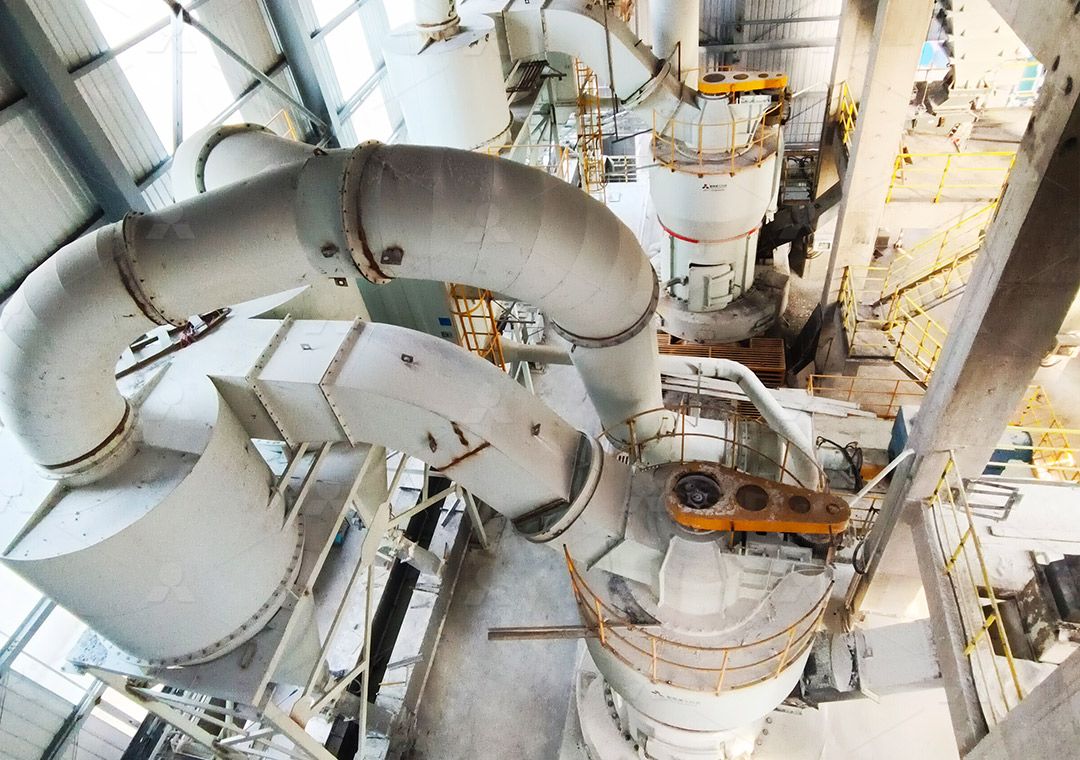
Another excellent solution for operations seeking efficiency is our LUM Ultrafine Vertical Grinding Mill. It integrates ultrafine powder grinding, grading, and transporting, representing a superior choice in the industry. Its higher yielding rate and better quality are achieved through a unique roller shell and lining plate grinding curve, which is easier to generate a material layer and realize a high rate of finished products in a single pass. Furthermore, its more energy-saving multi-head powder separating technology can reduce energy consumption by 30%-50% compared to common grinding mills. With a capacity of 5-18 tph, it’s perfectly suited for superfine dry powder of non-metal ores.
Conclusion: Investing in Efficiency
The choice of grinding mill is a strategic one. While the initial price of a ball mill might be lower, the long-term operational costs can be debilitating. For South African gold producers looking to improve their bottom line, investing in modern, energy-efficient technology like vertical roller mills or ultra-fine grinding mills from a supplier with strong local support offers a path to reduced operating costs, higher throughput, and ultimately, greater profitability. Conduct a thorough analysis of your specific ore characteristics and production goals to make the most informed decision.