
Hydraulic Roller Mill for Grinding Electrolytic Aluminum Waste Slag
We provide a wide range of mills — including Raymond mill, trapezoidal mill, vertical mill, ultrafine mill, and ball mill, obtained ISO9001 international quality certification, EU CE certification, and Customs Union CU-TR certification. Suitable for processing minerals such as limestone, phosphate, quicklime, kaolin, talc, barite, bentonite, calcium carbonate, dolomite, coal, gypsum, clay, carbon black, slag, cement raw materials, cement clinker, and more.
The discharge range of these mills can be adjusted to meet specific processing needs, typically from 80-400 mesh, 600-3250 mesh, and can achieve the finest particle size of up to 6000 mesh(D50).
If you are looking for a reliable grinding solution to turn stone or minerals into fine powder, please feel free to contact our online customer service.
Hydraulic Roller Mill for Grinding Electrolytic Aluminum Waste Slag
Electrolytic aluminum waste slag, a byproduct of the aluminum smelting process, presents both an environmental challenge and a potential resource. Traditional disposal methods are increasingly unsustainable, driving the need for efficient recycling technologies. Grinding this material into a fine, reusable powder requires robust, high-performance milling equipment capable of handling its abrasive nature and varying moisture content.
The Challenge of Aluminum Slag Processing
This slag is typically hard and can be somewhat moist, demanding a mill with significant grinding force, excellent drying capabilities, and high wear resistance. Standard ball mills often struggle with efficiency and energy consumption in this application. The ideal solution must integrate crushing, drying, grinding, and classifying in a single, compact unit to minimize operational footprint and maximize output.
Advanced Milling Technology: The Key to Efficiency
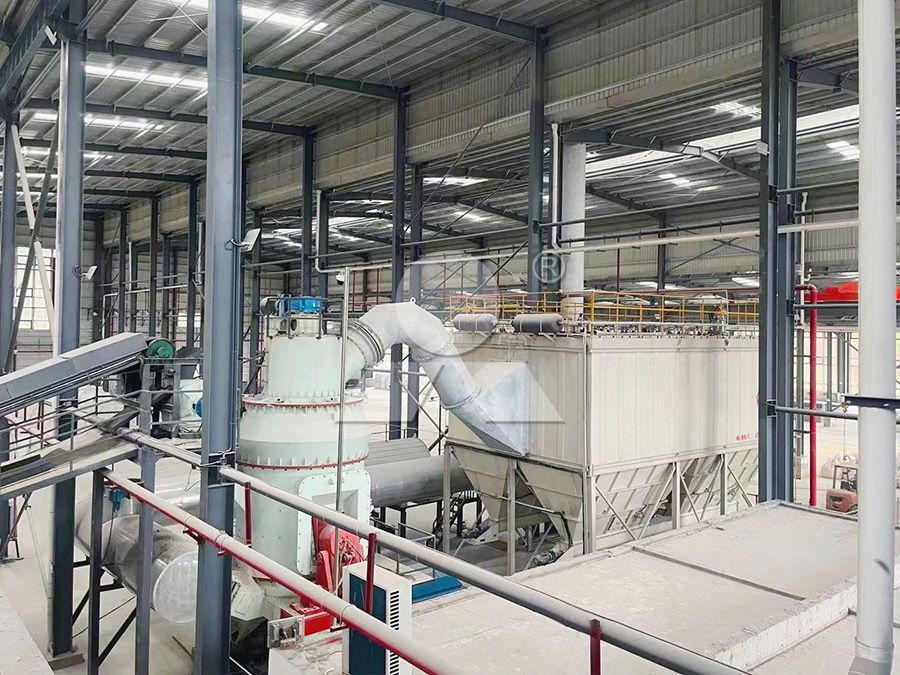
Modern hydraulic roller mills represent a significant leap forward. Their vertical structure integrates multiple processes, drastically reducing the plant’s overall footprint. The core of their efficiency lies in the use of large-diameter grinding rollers that apply immense pressure to the material bed on a rotating table, achieving size reduction through compression rather than impact, which is far more energy-efficient.
For this specific application, we highly recommend our LUM Ultrafine Vertical Grinding Mill. It is independently designed by LIMING on the basis of years of experience. This mill excels with features like a unique roller shell and lining plate grinding curve for easier material layer generation and a higher rate of finished products from a single pass. Its more energy-saving multi-head powder separating technology can reduce energy consumption by 30%-50% compared to common grinding mills. The reversible structure, aided by a hydraulic adjustment system, allows for easy maintenance—a critical factor when processing abrasive materials like aluminum slag. With an input size of 0-10 mm and a capacity of 5-18 tph, it is perfectly suited for transforming waste slag into a valuable commodity.
Operational Benefits and Environmental Considerations
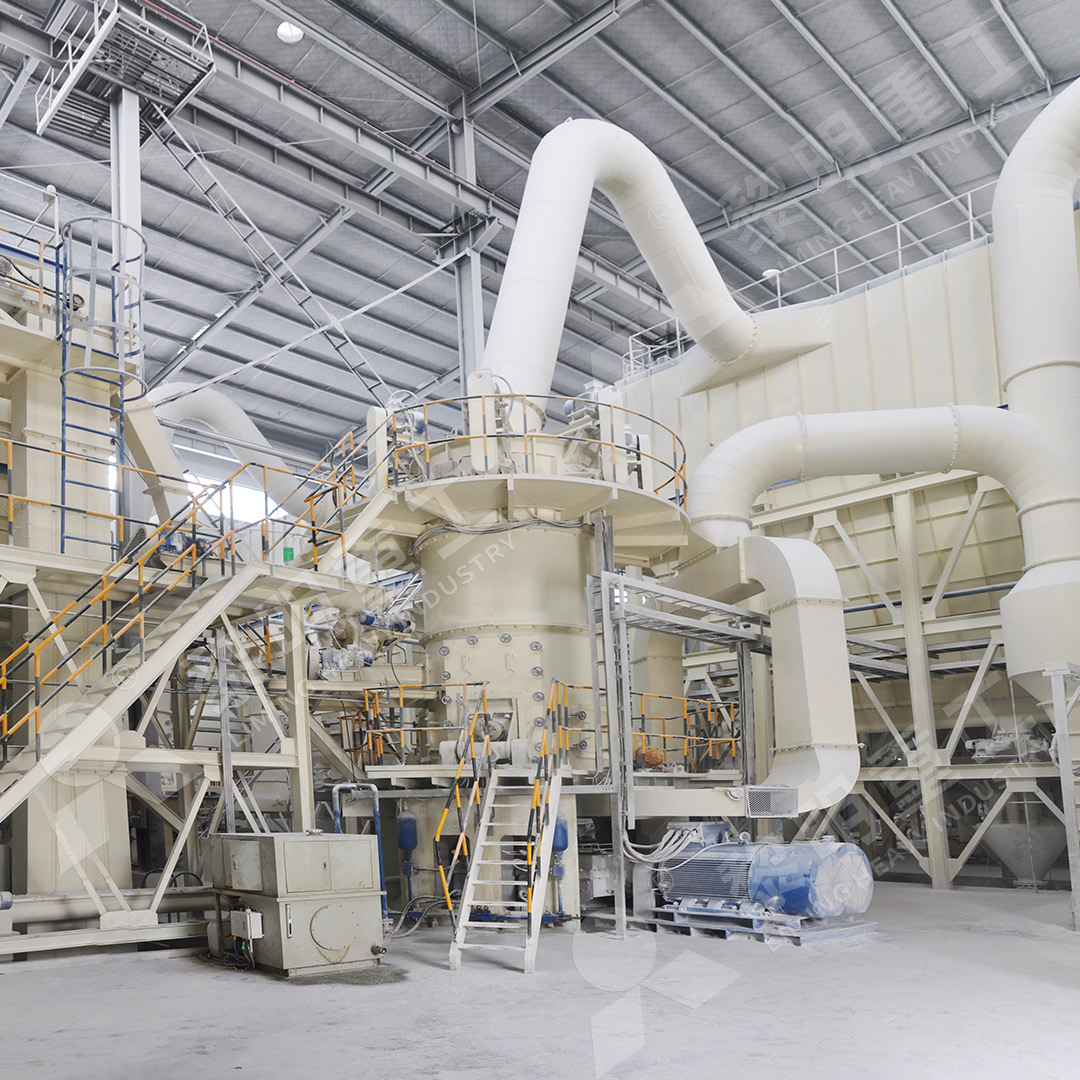
The operational stability of these mills is enhanced by technologies like double position-limiting, which prevents destructive impacts between the roller and millstone. Furthermore, the entire grinding system operates under negative pressure, ensuring no dust escapes into the workplace. This is complemented by efficient pulse dust collectors and mufflers, making the process not only productive but also compliant with stringent environmental and workplace safety standards. The ability to finely control the grinding pressure and rotation speed via a PLC system ensures the final product consistently meets the desired specifications for further use in construction materials or other industrial applications.
Another excellent option from our portfolio is the MW Ultrafine Grinding Mill. This machine is equipped for customers who need to make ultra-fine powder from materials like aluminum slag. It boasts higher yielding and lower energy consumption, with production capacity 40% higher than jet mills. Its cage-type powder selector allows adjustable fineness between 325-2500 meshes, providing incredible flexibility. A significant advantage is the absence of rolling bearings and screws in the grinding chamber, eliminating concerns about bearing damage or loose screws causing failures—a common headache in heavy-duty grinding. With an input size of 0-20 mm and a capacity of 0.5-25 tph, it offers a powerful solution for fine grinding needs.
Conclusion: From Waste to Resource
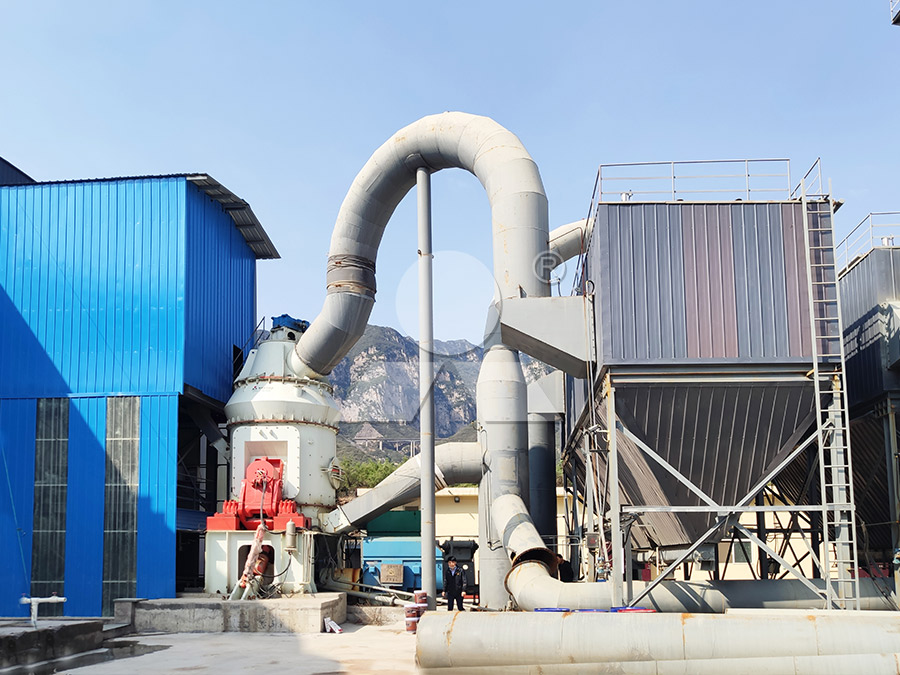
Investing in advanced hydraulic roller mill technology is a strategic move for any operation looking to valorize electrolytic aluminum waste slag. The combination of high grinding efficiency, lower energy consumption, minimal environmental impact, and easier maintenance offered by mills like our LUM series and MW series turns a costly waste stream into a profitable product, supporting both economic and sustainability goals.