
D90 Anthracite Coal Mill: How to Get the Lowest Price for Your Grinding Needs
We provide a wide range of mills — including Raymond mill, trapezoidal mill, vertical mill, ultrafine mill, and ball mill, obtained ISO9001 international quality certification, EU CE certification, and Customs Union CU-TR certification. Suitable for processing minerals such as limestone, phosphate, quicklime, kaolin, talc, barite, bentonite, calcium carbonate, dolomite, coal, gypsum, clay, carbon black, slag, cement raw materials, cement clinker, and more.
The discharge range of these mills can be adjusted to meet specific processing needs, typically from 80-400 mesh, 600-3250 mesh, and can achieve the finest particle size of up to 6000 mesh(D50).
If you are looking for a reliable grinding solution to turn stone or minerals into fine powder, please feel free to contact our online customer service.
D90 Anthracite Coal Mill: How to Get the Lowest Price for Your Grinding Needs
Hey there, fellow industry proffesionals. Let’s cut through the noise. You’re here because you need to grind anthracite, specifically to a D90 specification, and you need a solution that doesn’t break the bank. We get it. Capital expenditure is a constant battle, and finding that sweet spot between upfront cost and long-term operational efficiency is the real challenge. Anthracite is a tough customer—hard, abrasive, and demanding on equipment. A cheap, poorly designed mill will cost you a fortune in downtime, maintenance, and energy bills. So, how do you truly get the lowest total cost of ownership?
It’s Not Just About the Sticker Price
First, let’s be real. The initial purchase price is just one piece of the puzzle. The real expense hides in:
- Energy Consumption: An inefficient mill is a power hog. Over a year, the electricity bill can dwarf the mill’s price tag.
- Wear Part Replacement: Grinding abrasive coal chews through rollers, rings, and liners. Frequent shutdowns for maintenance and costly part swaps kill your productivity.
- Downtime: Time is money. Every hour your mill is offline for repairs is an hour of lost production.
- Environmental Controls: Adding aftermarket dust collectors and noise dampeners adds significant cost and complexity.
The goal isn’t to find the cheapest machine; it’s to find the most cost-effective one.
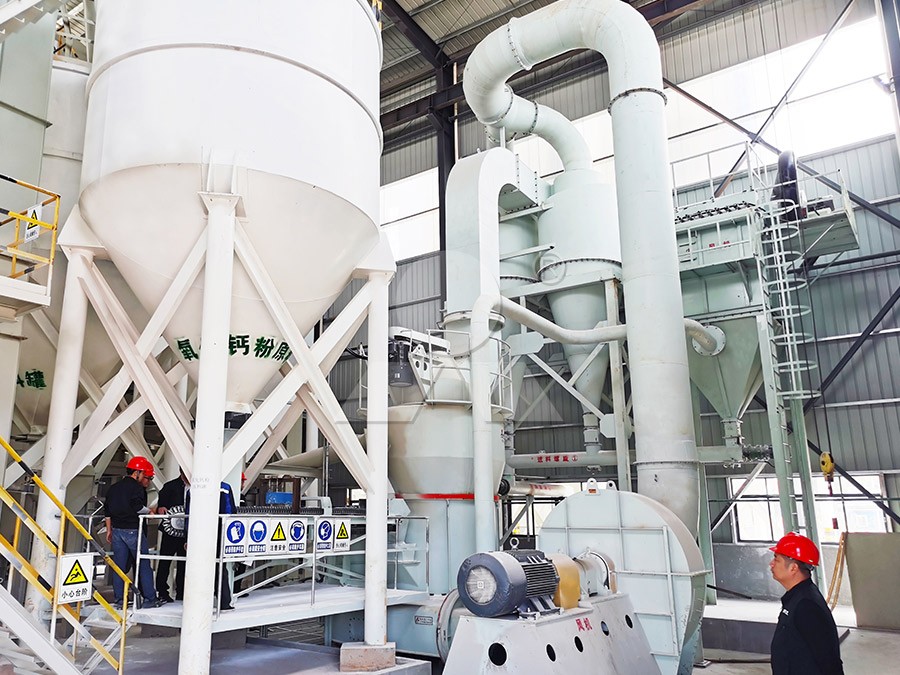
Key Features to Slash Your Operating Costs
When evaluating mills for D90 anthracite, look for engineering that adresses these cost centers head-on:
- High Grinding Efficiency: Look for designs that maximize yield per kilowatt-hour. A mill that uses 30-40% less power pays for itself.
- Durable, Long-Lasting Wear Parts: Rollers and rings made from special alloys can last 2-3 times longer than standard manganese steel, drastically reducing your spare parts inventory and change-out frequency.
- Integrated Environmental Systems: Built-in pulse dust collectors and mufflers aren’t a luxury; they’re a necessity for compliant, clean operation without adding extra equipment costs.
- Ease of Maintenance: Designs that allow easy access to grinding components for inspection and part replacement can turn a day-long shutdown into a quick, few-hour job.
Our Recommendation: The MW Ultrafine Grinding Mill for Precision & Value
Based on your need for D90 anthracite grinding, we’d strongly recommend taking a hard look at our MW Ultrafine Grinding Mill. It’s not just another mill; it’s built for applications exactly like yours where precision and operating economy are paramount.
Here’s why it delivers the lowest long-term price:
- Higher Yielding, Lower Energy Consumption: Its newly designed grinding curves enhance efficiency. Production capacity is 40% higher than jet mills with system energy consumption only 30% of them. That’s a direct hit on your biggest operating cost.
- Precise Fineness Control (325-2500 meshes): Its German-tech cage-type powder selector lets you dial in your D90 spec accurately and consistently, ensuring product quality and reducing waste.
- Radically Simple & Reliable Design: This is a big one. There are no rolling bearings or screws in the grinding chamber. You eliminate the most common failure points—no more worries about bearing seizures or loose screws causing catastrophic damage. Lubrication is done externally without stopping the machine.
- Eco-Friendly Out of the Box: It comes equipped with an efficient pulse dust collector and silencer, so you get a clean, quiet operation from day one without hidden add-on costs.
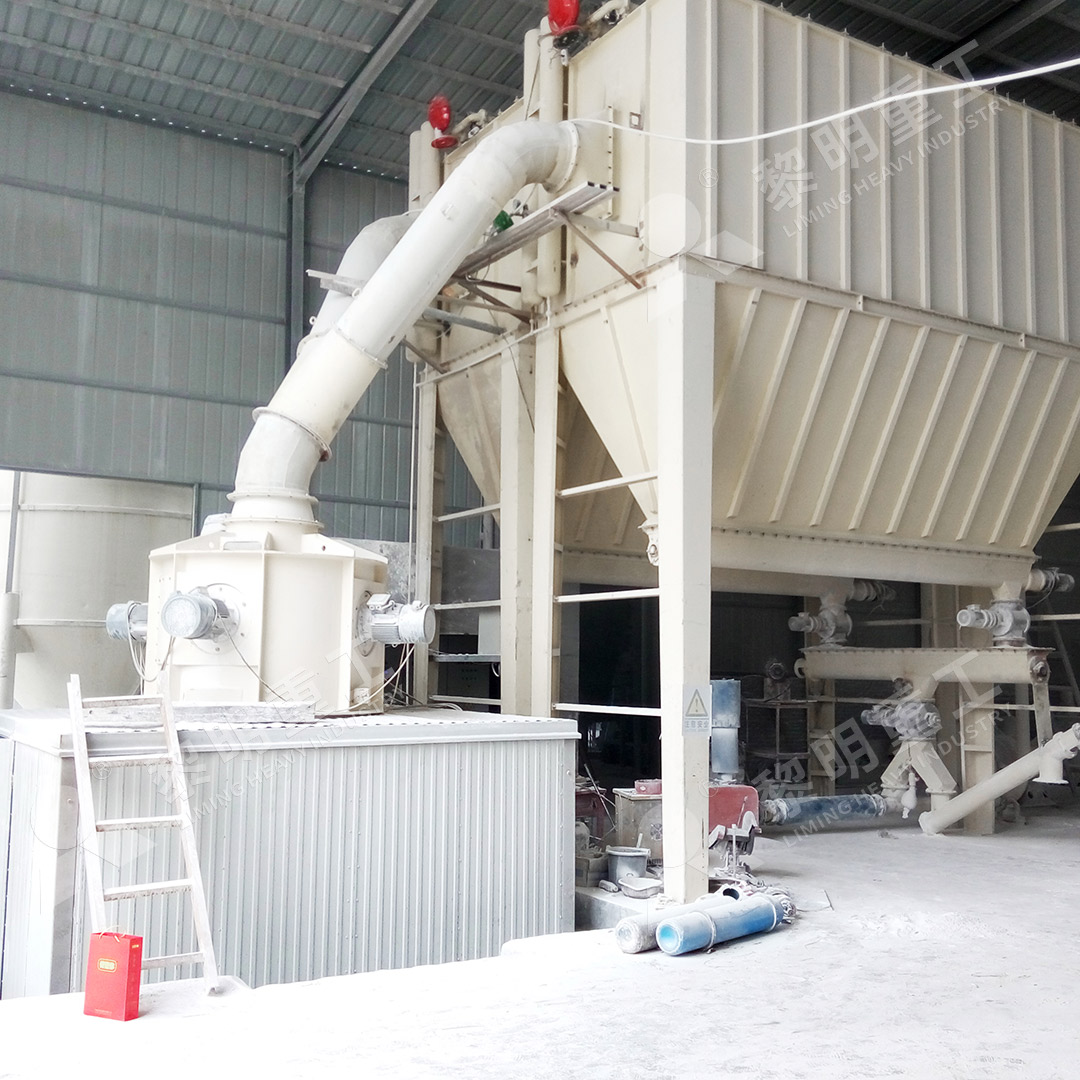
Specs for Anthracite: With an input size of 0-20mm and a capacity range of 0.5-25 tph, it’s perfectly scaled for a wide range of anthracite grinding operations. It’s the workhorse you can rely on.
Considering Larger Volumes? The LM Vertical Coal Mill
For operations requiring higher throughput for power plants or large-scale fuel production, our LM Vertical Coal Mill is the industry stalwart. It integrates drying and grinding, is incredibly reliable, and offers similar benefits of low energy consumption (saving 40%-50% vs. ball mills) and stable product quality. Its simple and reliable operation with features like a hydraulic roller turn-out device makes maintenance a breeze, keeping your operating costs minimal.
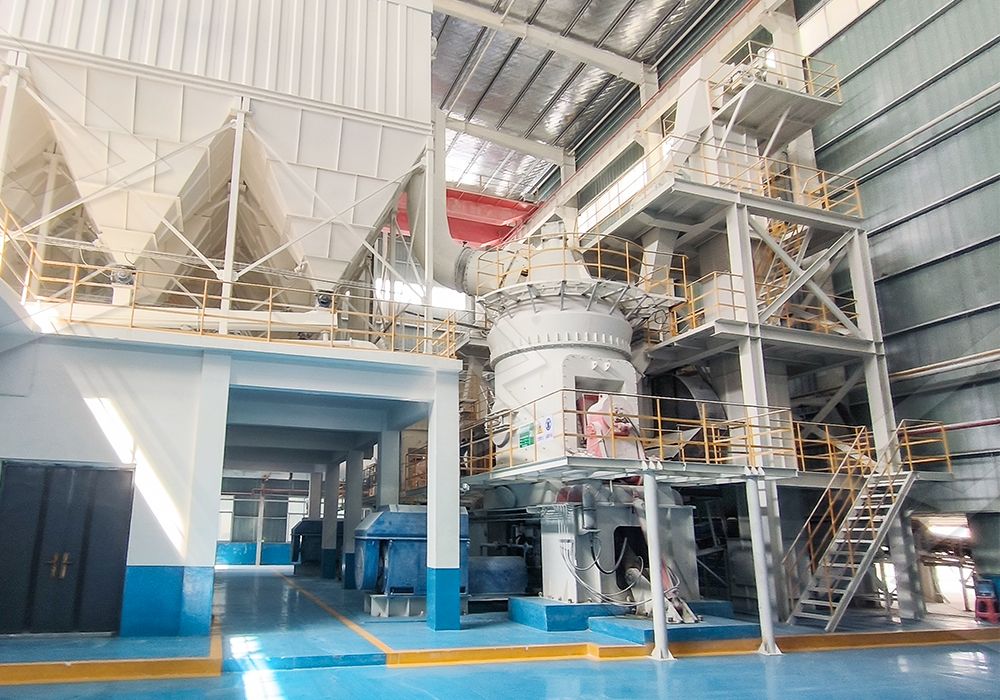
The Bottom Line: Total Cost Beats Initial Price Every Time
Don’t let a low sticker price lure you into a high-cost trap. Investing in a intelligently designed mill like the MW or LM series means you pay less every single day to run it, you face far less downtime, and you avoid the headache of constant repairs.
Ready to calculate your actual savings? Contact our team today. We’ll help you analyze your specific anthracite grinding needs and show you the real numbers on how to achieve the lowest possible price for your grinding operation.