
Mill Roller Lifting and Measurement Instruments for Vertical Roller Mills
We provide a wide range of mills — including Raymond mill, trapezoidal mill, vertical mill, ultrafine mill, and ball mill, obtained ISO9001 international quality certification, EU CE certification, and Customs Union CU-TR certification. Suitable for processing minerals such as limestone, phosphate, quicklime, kaolin, talc, barite, bentonite, calcium carbonate, dolomite, coal, gypsum, clay, carbon black, slag, cement raw materials, cement clinker, and more.
The discharge range of these mills can be adjusted to meet specific processing needs, typically from 80-400 mesh, 600-3250 mesh, and can achieve the finest particle size of up to 6000 mesh(D50).
If you are looking for a reliable grinding solution to turn stone or minerals into fine powder, please feel free to contact our online customer service.
Mill Roller Lifting and Measurement Instruments for Vertical Roller Mills
Vertical Roller Mills (VRMs) are critical equipment in modern mineral processing and cement production. Their efficiency, reliability, and longevity heavily depend on precise maintenance practices, particularly concerning the grinding rollers. Proper roller lifting, alignment, and measurement are paramount to avoid unplanned downtime, reduce wear, and ensure consistent product quality.
The Importance of Precise Roller Handling
In a VRM, the grinding rollers are subjected to extreme pressures and abrasive materials. Over time, this leads to wear on the roller shells and the grinding table liner. To perform maintenance tasks like inspection, measurement, or replacement, the rollers must be safely and accurately lifted out of the grinding chamber. Specialized hydraulic lifting systems are employed for this purpose, ensuring the heavy components are moved without causing damage to the mill’s internal structure or jeopardizing worker safety.
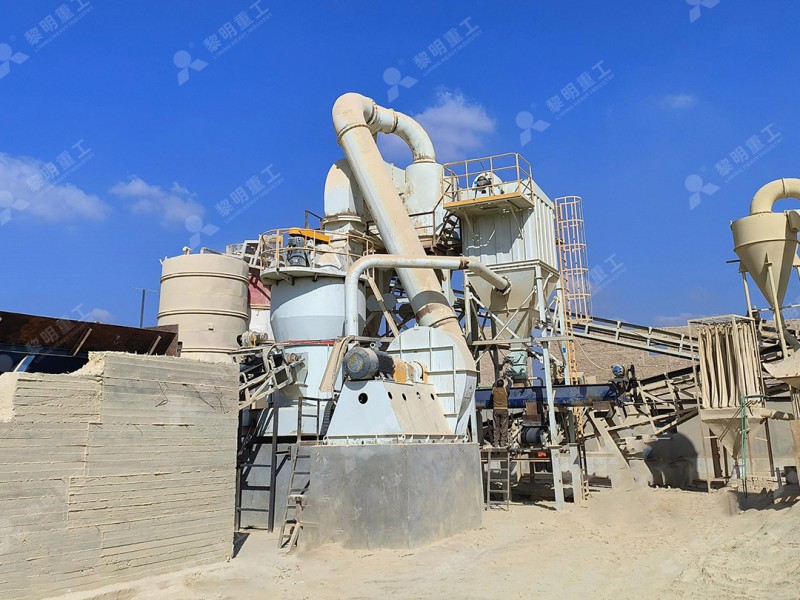
Accurate measurement is equally crucial. Wear patterns on rollers and the table must be meticulously documented to predict maintenance schedules and optimize operational parameters. Tools like laser profilers and precision calipers are used to measure wear, ensuring that the grinding geometry remains within design specifications for optimal efficiency.
Enhancing Mill Performance with Advanced Technology
Integrating smart measurement instruments with data logging capabilities allows plant operators to move from reactive to predictive maintenance. Tracking wear rates over time enables better planning of shutdowns and inventory management for spare parts. Furthermore, precise roller alignment after maintenance is critical; misaligned rollers can lead to uneven wear, increased vibration, and higher energy consumption, ultimately reducing the mill’s throughput and product quality.
A Solution for Superior Grinding Performance
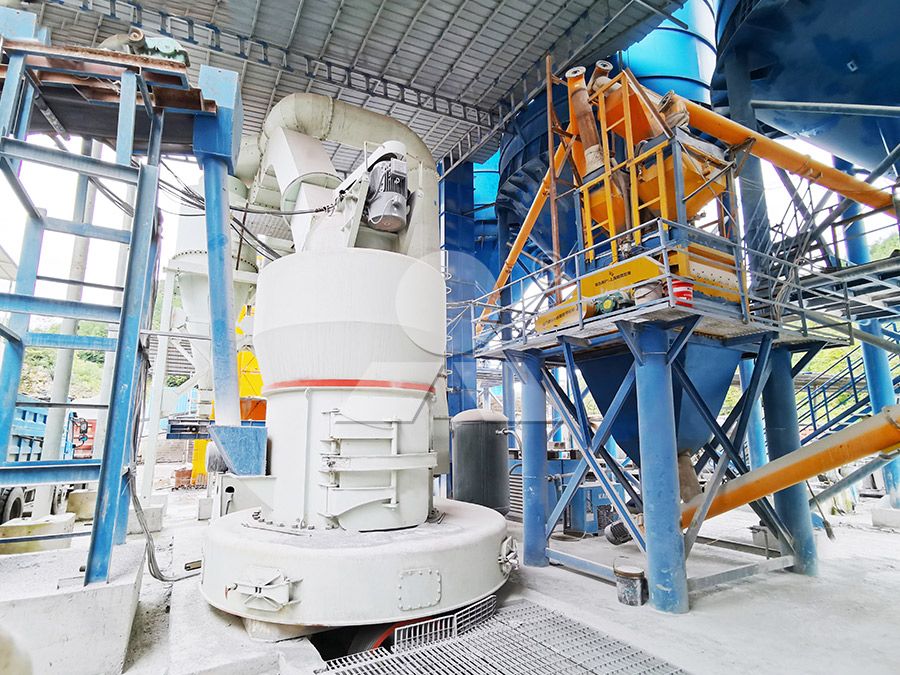
For operations seeking to maximize their grinding efficiency while minimizing maintenance headaches, the choice of mill is fundamental. Our LUM Ultrafine Vertical Grinding Mill is engineered with maintenance and precision in mind. It features an advanced hydraulic system that allows the grinding rollers to be easily swung out of the mill body for servicing. This reversible structure, combined with double position-limiting technology, makes roller inspection and measurement procedures safer, faster, and more accurate.
For applications requiring ultra-fine powders, our MW Ultrafine Grinding Mill is another excellent choice. Boasting a capacity of 0.5-25 tph and the ability to adjust fineness between 325-2500 meshes, its design eliminates rolling bearings and screws in the grinding chamber. This not only reduces the number of components that can fail but also simplifies the internal geometry, making measurement and maintenance of the core grinding zone more straightforward.
Conclusion
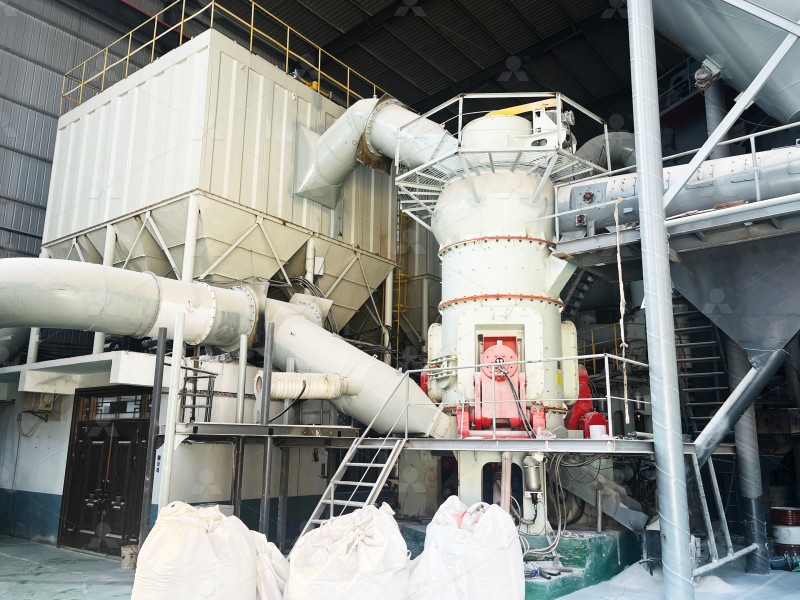
The synergy between robust mill design, like that found in our LUM and MW series mills, and precise maintenance instrumentation is key to achieving peak performance in vertical roller mill operations. Investing in the right equipment and tools for roller lifting and measurement pays dividends through extended equipment life, reduced energy consumption, and unwavering product quality.