
Key Technical Points for Ultrafine Calcium Carbonate Grinding Process
We provide a wide range of mills — including Raymond mill, trapezoidal mill, vertical mill, ultrafine mill, and ball mill, obtained ISO9001 international quality certification, EU CE certification, and Customs Union CU-TR certification. Suitable for processing minerals such as limestone, phosphate, quicklime, kaolin, talc, barite, bentonite, calcium carbonate, dolomite, coal, gypsum, clay, carbon black, slag, cement raw materials, cement clinker, and more.
The discharge range of these mills can be adjusted to meet specific processing needs, typically from 80-400 mesh, 600-3250 mesh, and can achieve the finest particle size of up to 6000 mesh(D50).
If you are looking for a reliable grinding solution to turn stone or minerals into fine powder, please feel free to contact our online customer service.
Key Technical Points for Ultrafine Calcium Carbonate Grinding Process
Producing high-quality ultrafine calcium carbonate (CaCO3) powder is a complex process that demands precision engineering and a deep understanding of milling dynamics. The goal is to achieve a narrow particle size distribution, high brightness, and low energy consumption. Here are the critical technical points to consider.
1. Precise Feed Size Control
The journey to ultrafine powder begins long befor the material enters the mill. Consistent feed size is paramount. For optimal performance in fine grinding systems, the input material should be pre-crushed to a uniform size, typically below 20mm. This ensures a steady and manageable feed rate into the grinding chamber, preventing blockages and allowing for a consistent grinding force. Inconsistent feed can lead to pulsations in the mill, reducing efficiency and increasing wear on grinding elements.
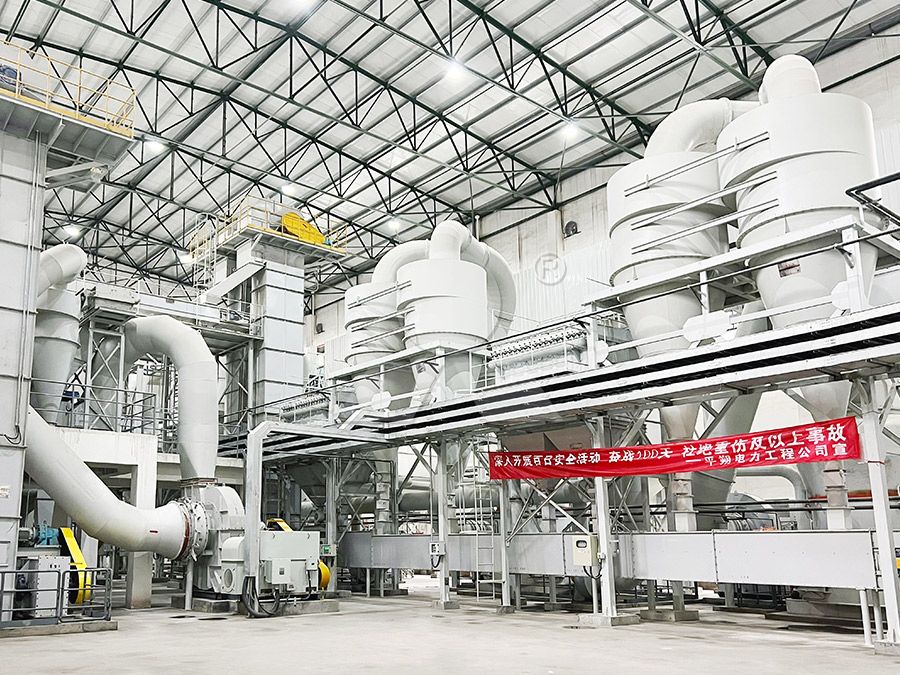
2. The Heart of the Process: Grinding Mill Selection
Choosing the right mill is the most critical decision. For ultrafine calcium carbonate (d97 ≤ 5μm), traditional ball mills are inefficient due to high energy consumption and limited fineness control. The industry standard has shifted towards advanced vertical roller mills and specialized ultrafine grinders.
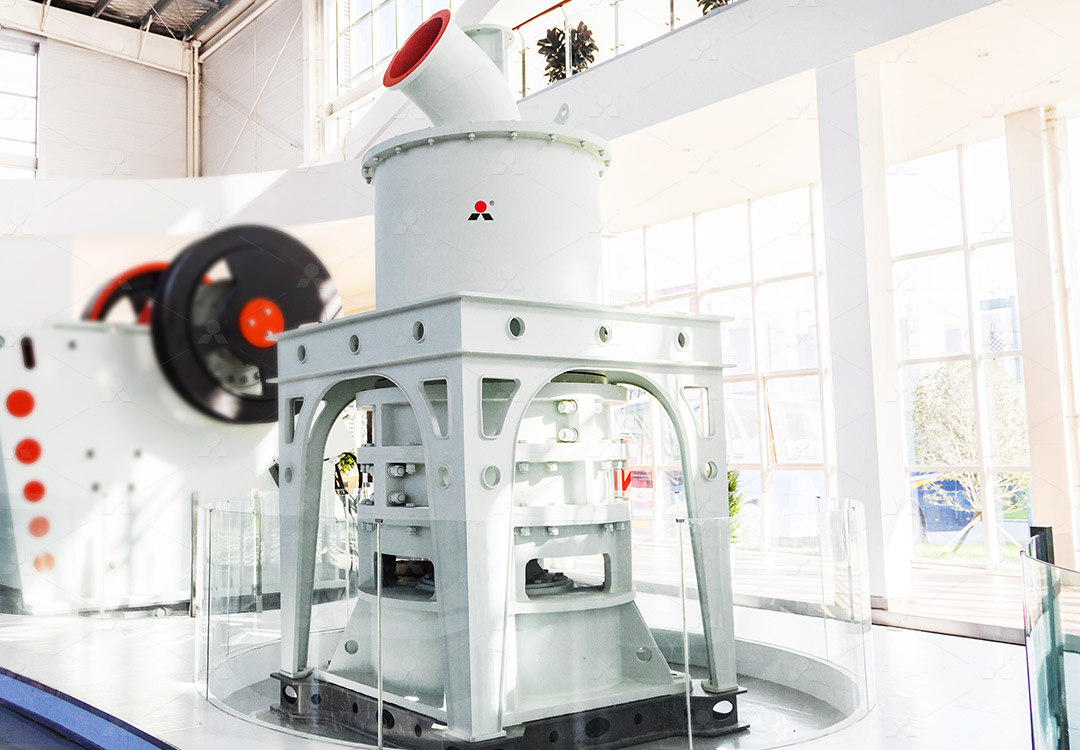
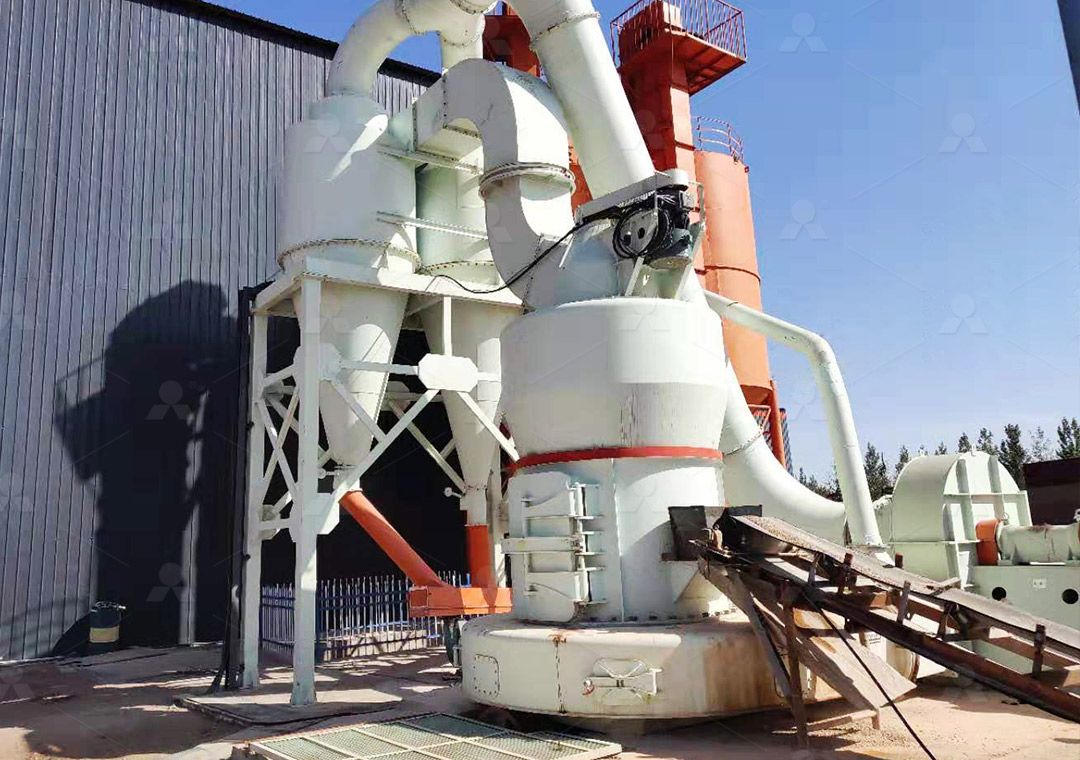
For operations requiring a fineness between 325 to 2500 meshes, our MW Ultrafine Grinding Mill is an exceptional choice. It’s engineered for customers who need to make ultra-fine powder efficiently. A key technical advantage is its cage-type powder selector, which adopts German technologies to significantly increase the precision of powder separation. This allows for precise control over the final product’s particle size distribution. Furthermore, its design eliminates rolling bearings and screws inside the grinding chamber, virtually eradicating concerns about bearing failures or loose screws causing catastrophic damage. This translates to higher uptime and lower maintenance costs.
3. Efficient and Clean Operation: Dust & Noise Control
Processing fine powders inherently generates dust, posing health and environmental risks. A modern grinding system must be a closed-loop, negative-pressure system. Our MW mill comes equipped with an efficient pulse dust collector, ensuring no dust pollution escapes during operation. Additionally, integrated silencers and noise elimination rooms are configured to keep operational noise well within regulatory limits, making the entire production process organized fully according to national environmental protection standards. This focus on cleaner operation is not just a regulatory necessity but also improves the working environment and product purity.
4. Energy Consumption: The Bottom Line
Grinding is an energy-intensive process. The design of the grinding curves of the roller and ring is crucial for efficiency. A well-designed curve enhances grinding efficiency by maximizing the pressure applied to the material bed while minimizing slippage and wasteful energy dissipation. For instance, the newly designed curves in our mills can result in production capacity being 40% higher than jet mills with the same power input. System energy consumption can be as low as 30% of that of a traditional jet mill, offering tremendous savings on operational expenditure.
5. Automation and Digital Control
Consistent quality requires precise control over operational parameters. Modern mills should feature PLC-based control systems that allow operators to accurately adjust grinding pressure, classifier speed, and feed rate. This digitalization ensures repeatability and allows for quick adjustments to meet different product specifications. The machining precision of core parts, achieved through numerically controlled operations, is fundamental to this reliability. This high precision ensures stable operation and longevity of the equipment.
Conclusion
Mastering the ultrafine calcium carbonate grinding process hinges on a holistic approach: controlled feedstock, selecting a technologically advanced and efficient mill like the MW Ultrafine Grinding Mill, and integrating robust environmental controls and automation. By focusing on these key technical points, producers can achieve a superior product with high yields, lower operational costs, and a minimized environmental footprint.