
Top Rolling Mill Manufacturers in Indonesia for Metal Processing
We provide a wide range of mills — including Raymond mill, trapezoidal mill, vertical mill, ultrafine mill, and ball mill, obtained ISO9001 international quality certification, EU CE certification, and Customs Union CU-TR certification. Suitable for processing minerals such as limestone, phosphate, quicklime, kaolin, talc, barite, bentonite, calcium carbonate, dolomite, coal, gypsum, clay, carbon black, slag, cement raw materials, cement clinker, and more.
The discharge range of these mills can be adjusted to meet specific processing needs, typically from 80-400 mesh, 600-3250 mesh, and can achieve the finest particle size of up to 6000 mesh(D50).
If you are looking for a reliable grinding solution to turn stone or minerals into fine powder, please feel free to contact our online customer service.
Navigating Indonesia’s Metal Processing Landscape
Indonesia’s industrial sector, particularly metal processing, is experiencing robust growth. For manufacturers in this space, selecting the right rolling mill equipment is paramount to achieving efficiency, product quality, and competitiveness. The market offers a variety of technologies, but discerning operators seek machinery that delivers precision, reliability, and environmental compliance.
The core of any metal processing plant is its grinding and milling operation. This is where raw materials are transformed into consistent, high-quality powders or forms ready for further fabrication. While many focus on the primary rolling or shaping machinery, the pre-processing grinding stage is often the unsung hero that determines the final product’s characteristics.
Key Considerations for Mill Selection
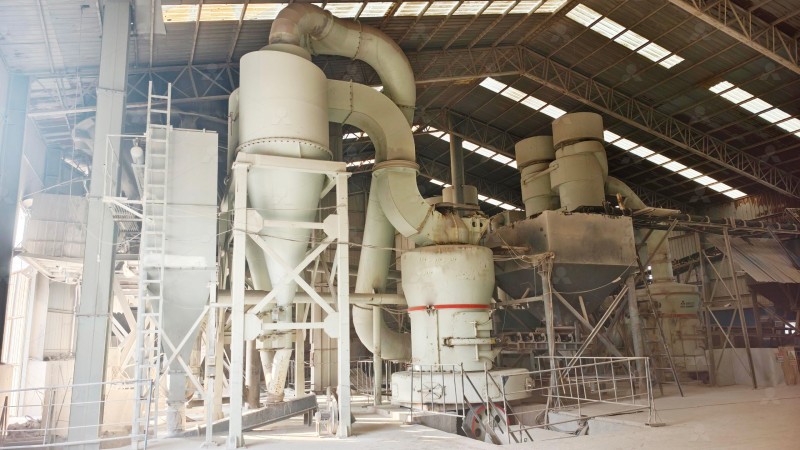
When evaluating rolling mill manufacturers and their associated processing equipment, several factors come into play. Capacity and input size are the first obvious specs. But beyond that, energy consumption has become a massive operational cost driver. Smart manufacturers are now prioritizing mills that offer lower kWh per ton of output. Maintenance overhead is another critical, often overlooked, factor. Equipment with complex internal bearings or screws within the grinding chamber can lead to frequent downtime and expensive repair bills, crippling production schedules.
Furthermore, in today’s world, environmental stewardship is not just a regulation; it’s a business imperative. Mills equipped with advanced pulse dust collectors and noise reduction systems ensure plants can operate in closer proximity to communities without causing disruption, which is a significant advantage in Indonesia’s evolving industrial zones.
Innovations in Grinding Technology: A Spotlight on MW Series
Among the plethora of options, one standout solution for ultra-fine powder needs is the MW Ultrafine Grinding Mill. This machine is engineered for customers who require exceptionally fine powder, with adjustable fineness between 325-2500 meshes. Its design adresses the common pain points of traditional mills head-on.
A key innovation is the absence of rolling bearings and screws inside the grinding chamber. This brilliant design choice elimnates the primary causes of machine failure and maintenance shutdowns. Operators are freed from constant worries about bearing seizures or loose screws causing catastrophic damage. Complementing this is an external lubricating device, allowing for lubrication without stopping production—a feature that enables true 24/7 operation and maximizes asset utilization.
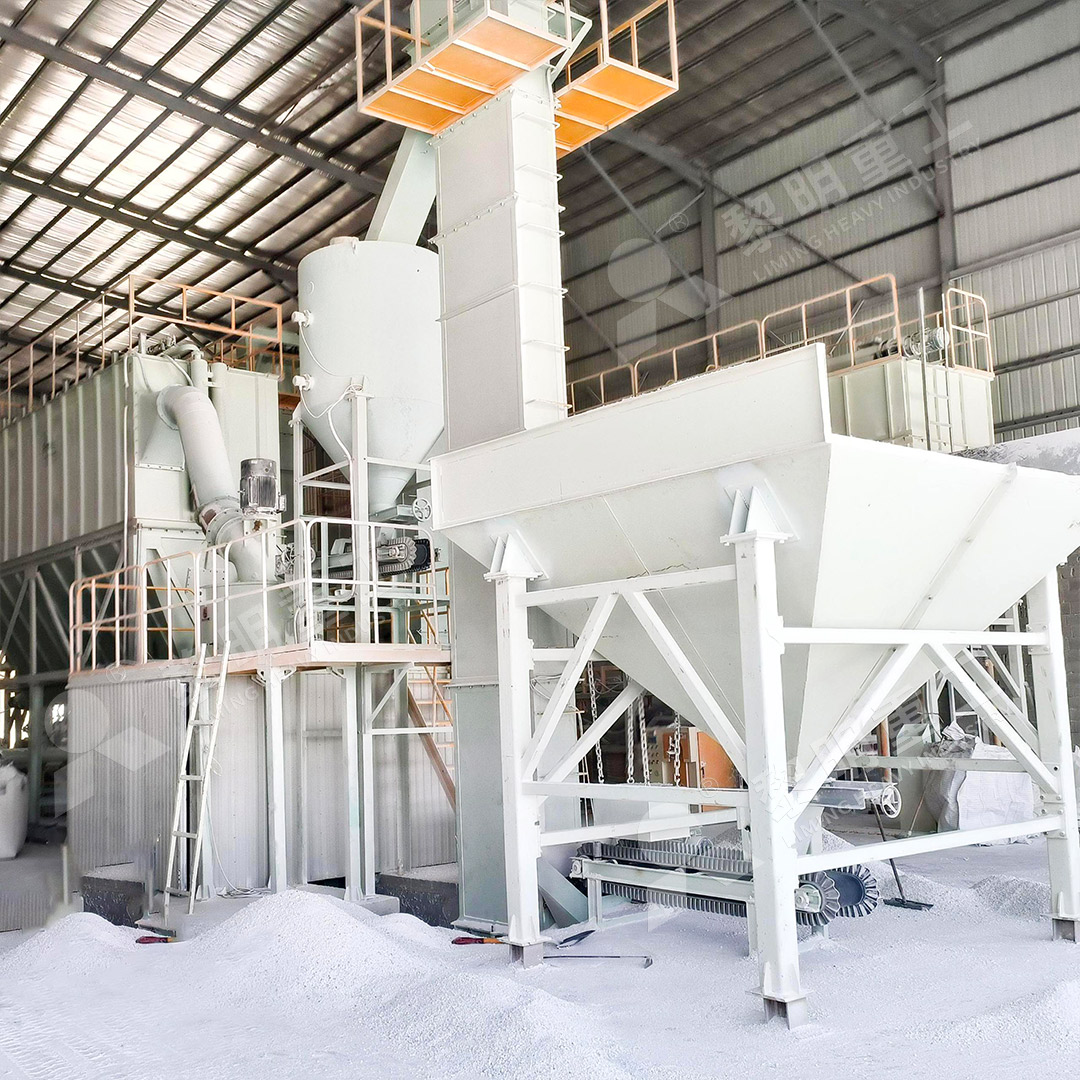
From an efficiency standpoint, the MW mill boasts a newly designed grinding curve for its roller and ring, enhancing grinding efficiency significantly. It offers production capacity 40% higher than jet mills and double that of ball mills with the same power input, while slashing system energy consumption to just 30% of a comparable jet mill. For any processing plant in Indonesia looking to reduce its operating costs and carbon footprint, these are not trivial figures.
Why Eco-Friendly Operation Matters in Indonesia
The MW Ultrafine Grinding Mill is also equipped with an efficient pulse dust collector and muffler, virtually eliminating dust pollution and drastically reducing noise. This makes the entire milling process organized fully according to national and international environmental protection standards. For a country like Indonesia, with its rich biodiversity and growing focus on sustainable industry, adopting such technology is a step towards future-proofing your business.
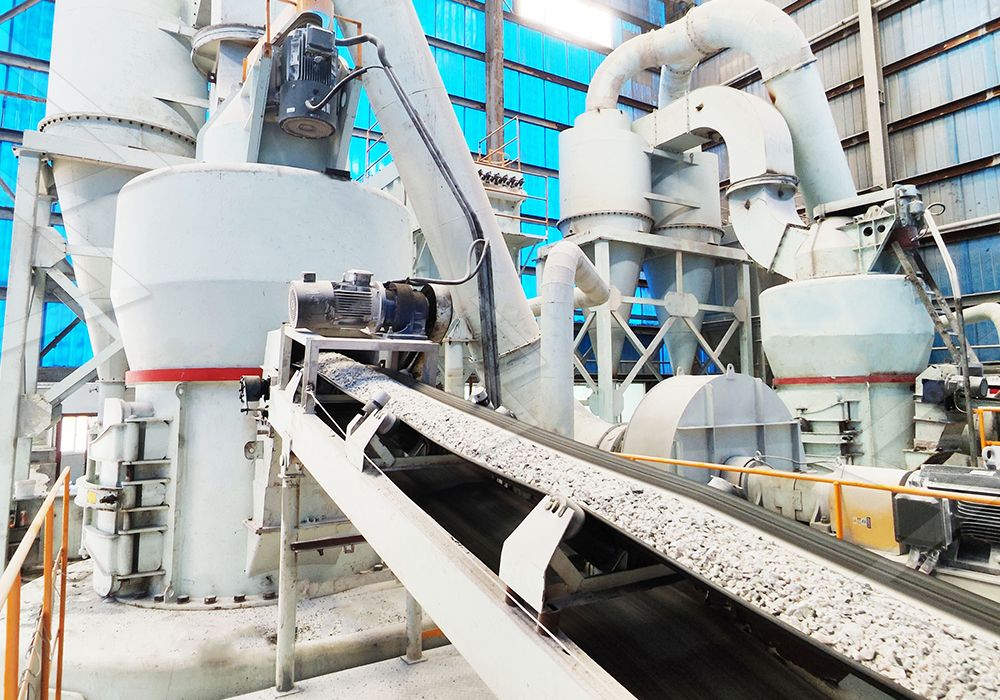
Another product worthy of consideration for different applications is the LUM Ultrafine Vertical Grinding Mill. It integrates grinding, grading, and transporting, and is renowned for its higher yielding rate and better quality of finished products, thanks to its unique roller shell and lining plate grinding curve.
Conclusion: Partnering for Productivity
Choosing the right partner for your rolling and grinding needs is a strategic decision. It’s not just about buying a machine; it’s about investing in a solution that ensures worry-free operation, minimal downtime, and lower total cost of ownership. Manufacturers that offer comprehensive technical support and a sufficient supply of original spare parts, like those behind the MW and LUM series, provide a significant long-term advantage. As Indonesia’s metal processing industry continues to evolve, leveraging advanced, efficient, and environmentally sound technology will be the key differentiator for leading companies.