
Cost to Build a 1 Million TPY Cement Grinding Plant | Key Factors & Budgeting
We provide a wide range of mills — including Raymond mill, trapezoidal mill, vertical mill, ultrafine mill, and ball mill, obtained ISO9001 international quality certification, EU CE certification, and Customs Union CU-TR certification. Suitable for processing minerals such as limestone, phosphate, quicklime, kaolin, talc, barite, bentonite, calcium carbonate, dolomite, coal, gypsum, clay, carbon black, slag, cement raw materials, cement clinker, and more.
The discharge range of these mills can be adjusted to meet specific processing needs, typically from 80-400 mesh, 600-3250 mesh, and can achieve the finest particle size of up to 6000 mesh(D50).
If you are looking for a reliable grinding solution to turn stone or minerals into fine powder, please feel free to contact our online customer service.
Cost to Build a 1 Million TPY Cement Grinding Plant | Key Factors & Budgeting
Estimating the cost of a 1 million tonnes per annum (TPY) cement grinding plant is a complex task, influenced by a myriad of factors from equipment selection to geographical location. A ballpark figure for a greenfield project can range from $30 million to $60 million USD, but this is highly variable. This article breaks down the key cost components and considerations to help you formulate a realistic budget.
Major Cost Components
The total investment can be divided into several major categories:
1. Equipment Capital Costs (~40-50% of total)
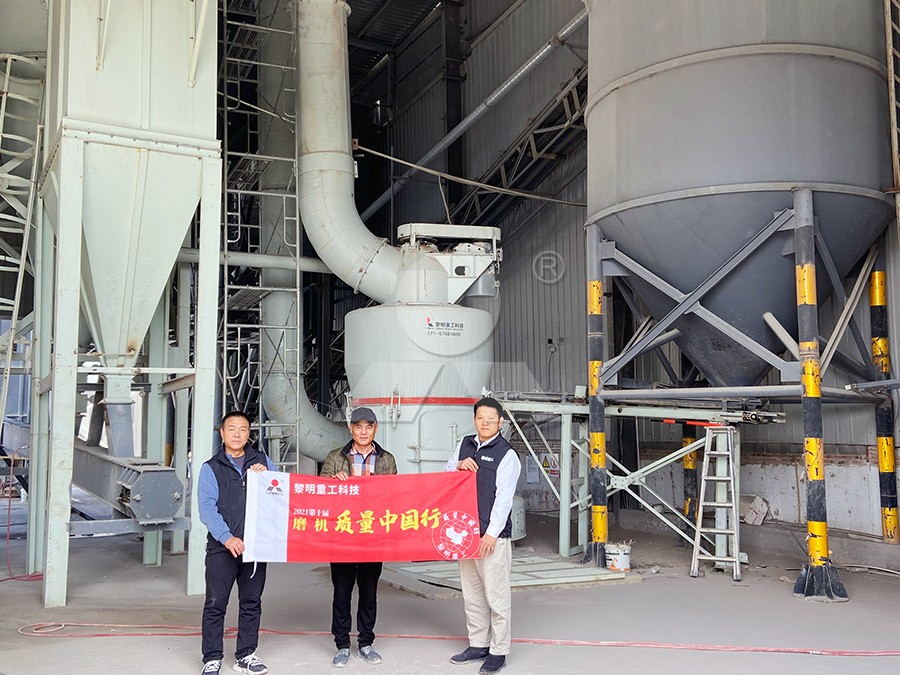
This is the single largest expense. The heart of the operation is the grinding mill itself, but the system also includes:
- Grinding Mill (Ball Mill, VRM, Roller Press)
- Feeders, Conveyors, and Elevators
- Clinker, Gypsum, and Additive Storage Silos
- Cement Silos for finished product
- Packing and Dispatch Systems
- Dust Collection Systems (Baghouses)
- Electrical Substations and Motor Control Centers
2. Civil Works and Structural Steel (~20-30% of total)
This encompasses all foundations, buildings, and structural support for equipment. Costs here are heavily influenced by local labor rates, soil conditions, and the need for piling or extensive earthworks.
3. Electrical and Automation Systems (~10-15% of total)
Modern plants are highly automated. This cost includes power distribution, motor drives, cabling, and the crucial Distributed Control System (DCS) that runs the entire operation from a central control room.
4. Engineering, Procurement, and Construction Management (EPCM) (~10-15% of total)
These are the soft costs for the design, project management, and commissioning services required to turn a pile of equipment and steel into a functioning plant.
Key Factors Influencing Your Budget
Grinding Technology Selection
The choice of milling system is paramount. While traditional ball mills have lower upfront costs, Vertical Roller Mills (VRMs) are now the industry standard for new projects due to their significantly higher energy efficiency (30-50% less power consumption) and lower operating costs. The reduced footprint can also lead to savings in civil works.
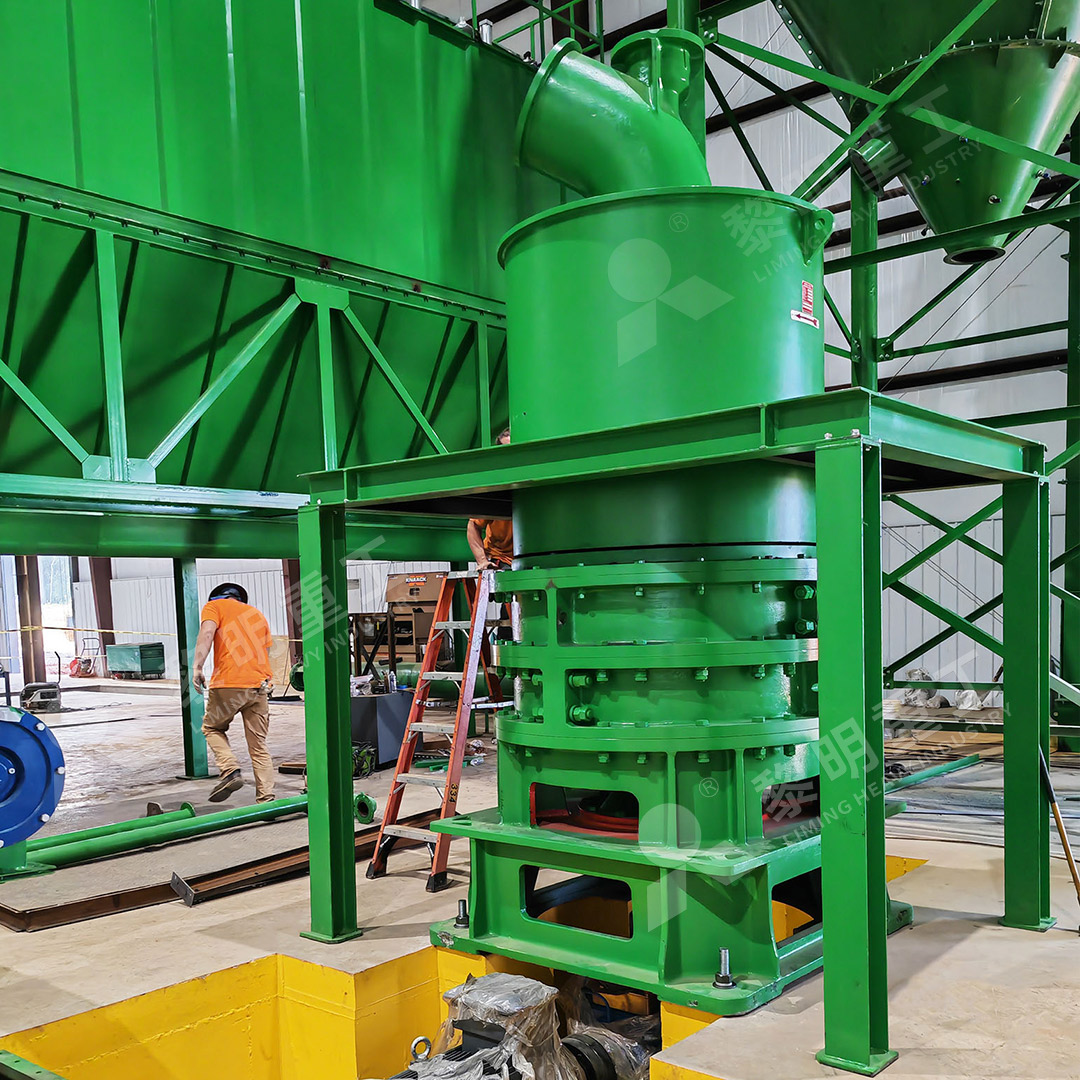
For projects requiring ultra-fine grinding or producing specialty cements, advanced mills are essential. For instance, our MW Ultrafine Grinding Mill is an excellent choice for producing high-value additives or for situations where superior product fineness is critical. It’s designed for customers who need to make ultra-fine powder, boasting features like higher yielding with lower energy consumption (40% higher capacity than jet mills) and adjustable fineness between 325-2500 meshes. Its unique design with no rolling bearings or screws in the grinding chamber eliminates common failure points and allows for external lubrication without shutdown, ensuring 24/7 operation.
Location, Location, Location
Site-specific factors have a massive impact:
- Logistics: Proximity to clinker sources and markets reduces transport costs.
- Local Regulations & Permits: Environmental and permitting costs can vary dramatically.
- Labor Costs & Availability: Impacts both construction and long-term operating expenses.
- Infrastructure: Access to reliable high-voltage power, water, and transport links (rail/road).
Scope: Greenfield vs. Brownfield
Building on a greenfield site is the most expensive option. Brownfield projects, which expand or modernize an existing facility, can realize significant savings by leveraging existing infrastructure, utilities, and clinker supply.
Budgeting for Success
A realistic budget must look beyond the initial capex. A thorough life-cycle cost analysis that includes maintenance, energy consumption, spare parts availability, and expected downtime is crucial. Opting for higher-quality, more efficient equipment from a reputable supplier often results in a lower total cost of ownership, even if the initial price is higher.
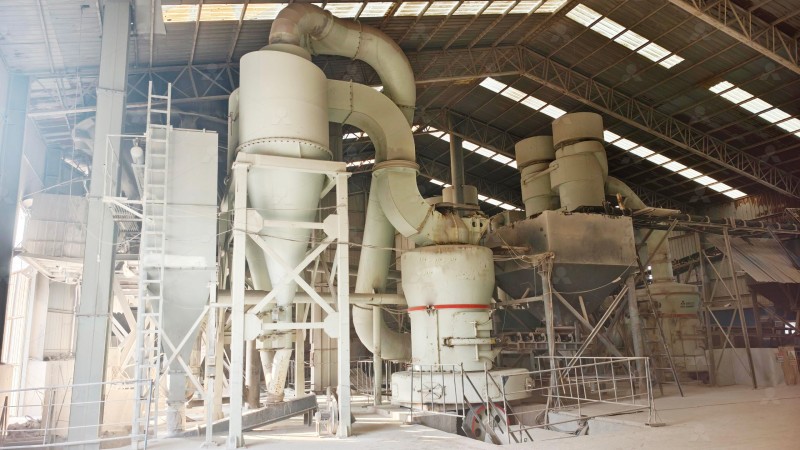
Another robust solution for main grinding circuits is the LUM Ultrafine Vertical Grinding Mill. It integrates ultrafine powder grinding, grading, and transporting, representing a top choice in the industry. It features more energy-saving multi-head powder separating technology, reducing energy consumption by 30%-50% compared to common mills. Its double position-limiting technology ensures stable operation, and its reversible structure makes maintenance easier and faster, ultimately reducing shutdown losses and protecting your investment.
Conclusion
Building a 1 million TPY cement grinding plant is a major capital undertaking. While equipment costs are a primary driver, factors like technology selection, location, and project scope are equally critical to the final budget. Partnering with experienced equipment suppliers and engineering firms for detailed feasibility studies and quotations is the essential first step to transforming your project from a concept into a profitable reality.