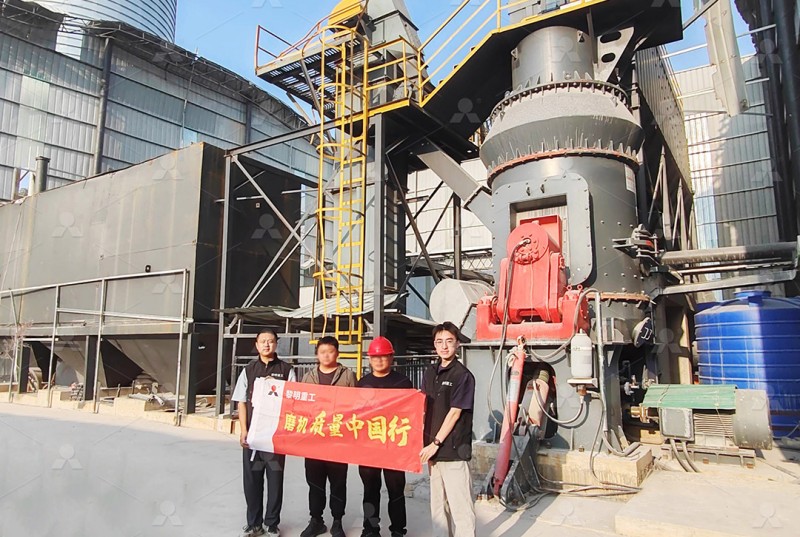
Water Slag and Iron Ore Smelting Waste Slag Grinding Equipment: Types and Applications
We provide a wide range of mills — including Raymond mill, trapezoidal mill, vertical mill, ultrafine mill, and ball mill, obtained ISO9001 international quality certification, EU CE certification, and Customs Union CU-TR certification. Suitable for processing minerals such as limestone, phosphate, quicklime, kaolin, talc, barite, bentonite, calcium carbonate, dolomite, coal, gypsum, clay, carbon black, slag, cement raw materials, cement clinker, and more.
The discharge range of these mills can be adjusted to meet specific processing needs, typically from 80-400 mesh, 600-3250 mesh, and can achieve the finest particle size of up to 6000 mesh(D50).
If you are looking for a reliable grinding solution to turn stone or minerals into fine powder, please feel free to contact our online customer service.
Water Slag and Iron Ore Smelting Waste Slag Grinding Equipment: Types and Applications
In the modern industrial landscape, the efficient processing of industrial by-products like water slag and iron ore smelting waste slag is crucial for both economic and environmental sustainability. These materials, once considered waste, can be transformed into valuable resources for applications in cement production, concrete additives, and construction materials through proper grinding and treatment. The key to unlocking this potential lies in selecting the right grinding equipment.
The Grinding Challenge
Water slag, a by-product of blast furnaces in the iron and steel industry, and various smelting waste slags possess unique characteristics. They are often abrasive, can have variable moisture content, and require precise fineness control to be effectively utilized. Traditional grinding methods often fall short, leading to high energy consumption, excessive wear, and inconsistent product quality. This is where advanced, specialized grinding mills come into play.
Types of Grinding Equipment
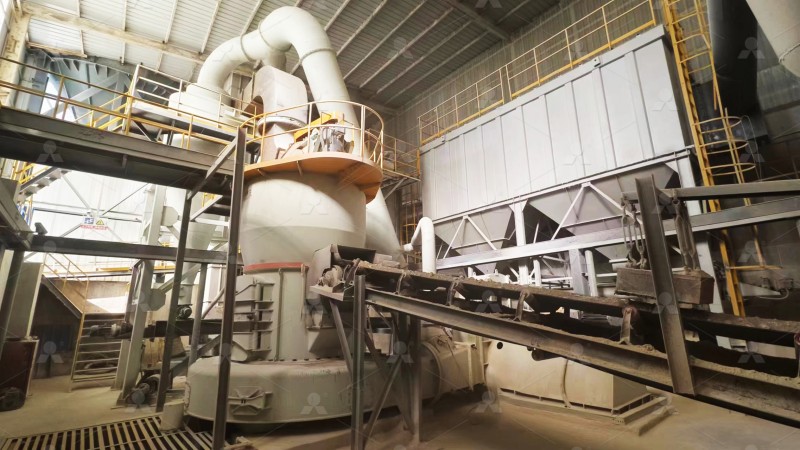
Several types of mills are employed in the slag grinding industry, each with its own advantages. Ball mills are a common choice but can be inefficient for ultra-fine grinding. Raymond mills offer improved efficiency for coarser grinds. However, for the most demanding applications requiring high capacity, energy efficiency, and fine to ultra-fine powders, vertical roller mills and advanced trapezium mills represent the technological pinnacle.
These modern mills integrate multiple processes—drying, grinding, classifying, and conveying—into a single, compact unit. They are engineered to handle the abrasive nature of slags with features like wear-resistant alloys for grinding components, efficient drying capabilities for moist materials, and advanced classifier systems for precise particle size control.
Spotlight on Superior Solutions: The MW Series
For operations focused on producing ultra-fine powder from water slag or smelting waste, the MW Ultrafine Grinding Mill is an exceptional choice. This machine is specifically engineered for customers who need to make ultra-fine powder with high efficiency and minimal environmental impact.
Key features of the MW Ultrafine Grinding Mill include:
- Higher Yielding, Lower Energy Consumption: Its newly designed grinding curves enhance efficiency, offering production capacity 40% higher than jet mills while consuming 30% less energy.
- Adjustable Fineness (325-2500 meshes): A German-technology, cage-type powder selector allows for precise control over the final product’s fineness, achieving a screening rate of d97≤5μm.
- Eco-Friendly Operation: Equipped with an efficient pulse dust collector and muffler, the entire milling system operates without dust pollution and with reduced noise.
- Robust Design: The absence of rolling bearings and screws in the grinding chamber eliminates concerns about bearing damage or loose screws causing failures.
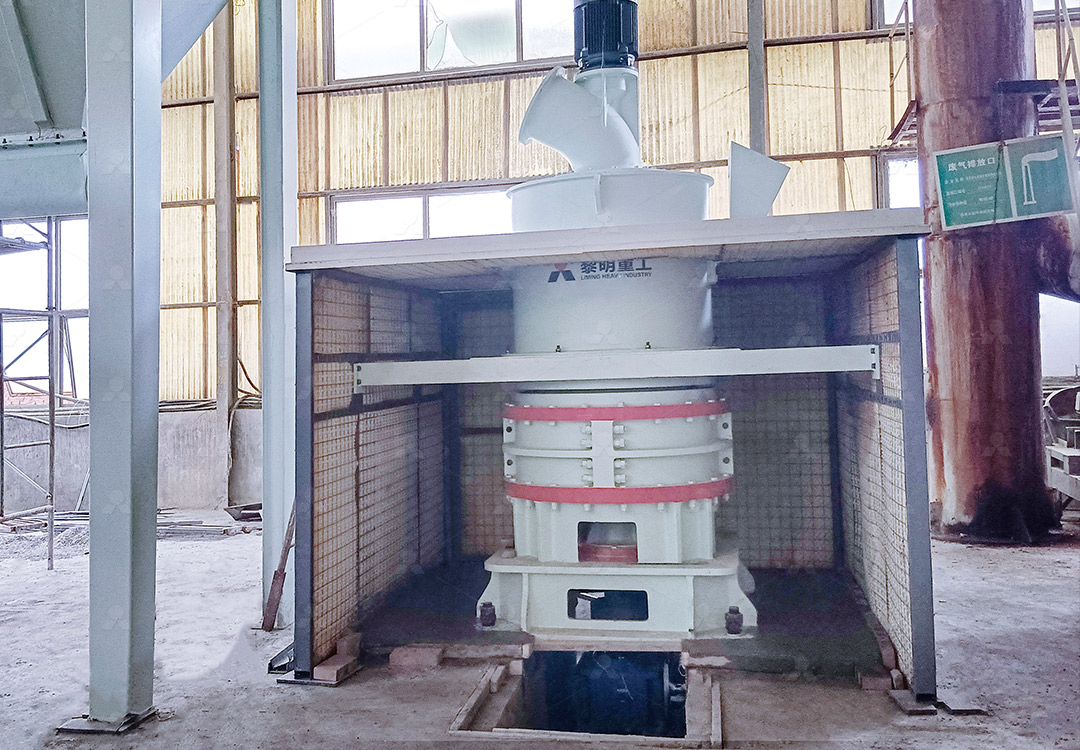
With an input size of 0-20 mm and a capacity range of 0.5-25 tph, the MW mill is perfectly suited for transforming granulated blast furnace slag and similar waste materials into high-value, fine powders used in high-performance concrete and other advanced applications.
Another Notable Option: LUM Ultrafine Vertical Mill
Another powerful tool in the arsenal is the LUM Ultrafine Vertical Grinding Mill. Integrating the latest roller and powder separating technologies, it is a superb choice for ultrafine powder grinding. Its unique roller shell and lining plate grinding curve design promotes easier material layer formation and high rates of finished product in a single pass. Features like PLC control, multi-head powder separating technology, and a reversible structure for easier maintenance make it a robust and versatile solution for slag processing, with an input size of 0-10 mm and a capacity of 5-18 tph.
Conclusion
The successful valorization of water slag and iron ore smelting waste hinges on deploying the right grinding technology. Moving beyond conventional mills to advanced solutions like the MW Ultrafine Grinding Mill or the LUM Vertical Mill allows producers to achieve superior product quality, significantly lower operating costs through reduced energy and maintenance needs, and operate in an environmentally responsible manner. Investing in the correct equipment is not just an operational decision but a strategic step towards a more sustainable and profitable future.