
Fully Automatic 200 Mesh Anthracite Coal Mill Operating Procedures and Safety Guide
We provide a wide range of mills — including Raymond mill, trapezoidal mill, vertical mill, ultrafine mill, and ball mill, obtained ISO9001 international quality certification, EU CE certification, and Customs Union CU-TR certification. Suitable for processing minerals such as limestone, phosphate, quicklime, kaolin, talc, barite, bentonite, calcium carbonate, dolomite, coal, gypsum, clay, carbon black, slag, cement raw materials, cement clinker, and more.
The discharge range of these mills can be adjusted to meet specific processing needs, typically from 80-400 mesh, 600-3250 mesh, and can achieve the finest particle size of up to 6000 mesh(D50).
If you are looking for a reliable grinding solution to turn stone or minerals into fine powder, please feel free to contact our online customer service.
Fully Automatic 200 Mesh Anthracite Coal Mill Operating Procedures and Safety Guide
Operating a fully automatic 200 mesh anthracite coal mill requires strict adherence to procedures and a keen awareness of safety. This guide provides a comprehensive overview for operators and maintenance personnel to ensure efficient, safe, and environmentally compliant operation.
1. Pre-Startup Checks & System Preparation
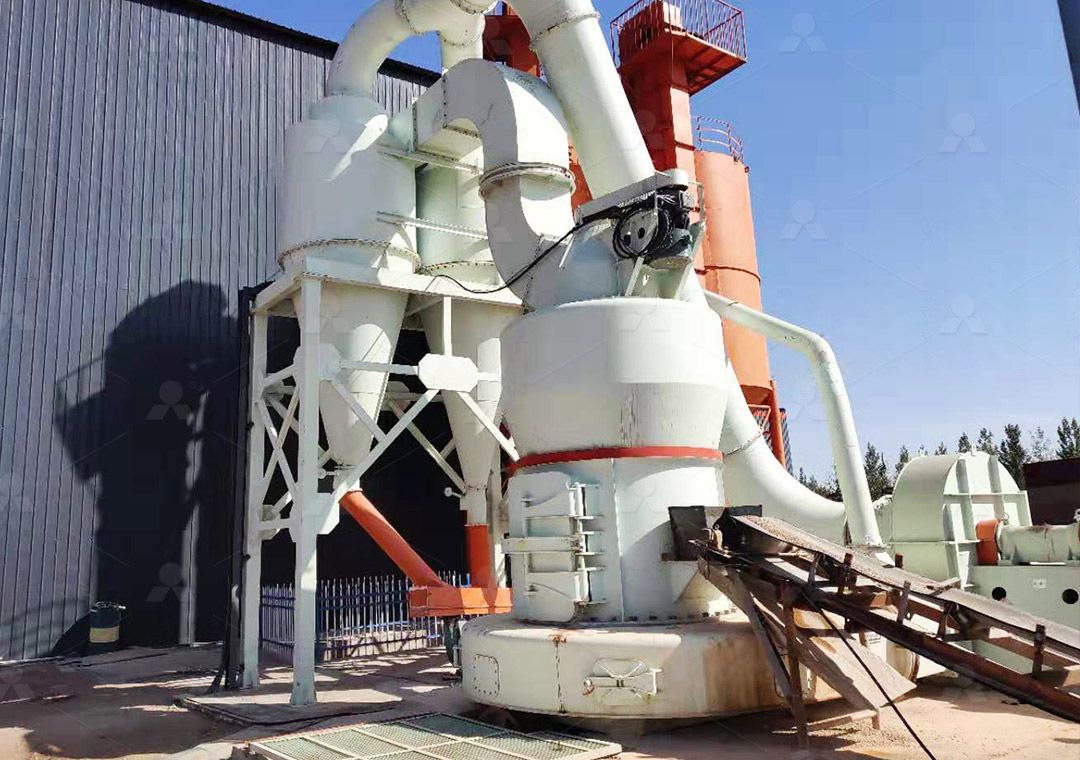
Before initiating the startup sequence, a thorough inspection is mandatory. Verify that all access doors are securely closed and that the grinding chamber is free of foreign objects or residual material from previous runs. Check the lubrication levels of all designated points; our mills, such as the MW Ultrafine Grinding Mill, feature external lubrication systems allowing for checks without shutdown. Inspect the wear condition of grinding rollers and rings. Ensure the pulse dust collector and muffler systems are connected and functional. Confirm that the feed hopper is clear and the vibrating feeder is unobstructed.
2. Automated Startup Sequence
Modern fully automatic systems streamline startup. Initiate the sequence from the central control panel. The system will typically first start the exhaust fan and pulse dust collector to establish negative pressure within the mill housing. Next, the main drive motor will engage. Allow the mill to reach its designated operating speed before activating the feed system. Gradually increase the feed rate of raw anthracite coal (0-20mm) to the specified capacity using the automated control system. The mill’s PLC will continuously monitor amperage and pressure to optimize the feed rate and prevent overload.
3. Running & Monitoring for 200 Mesh Output
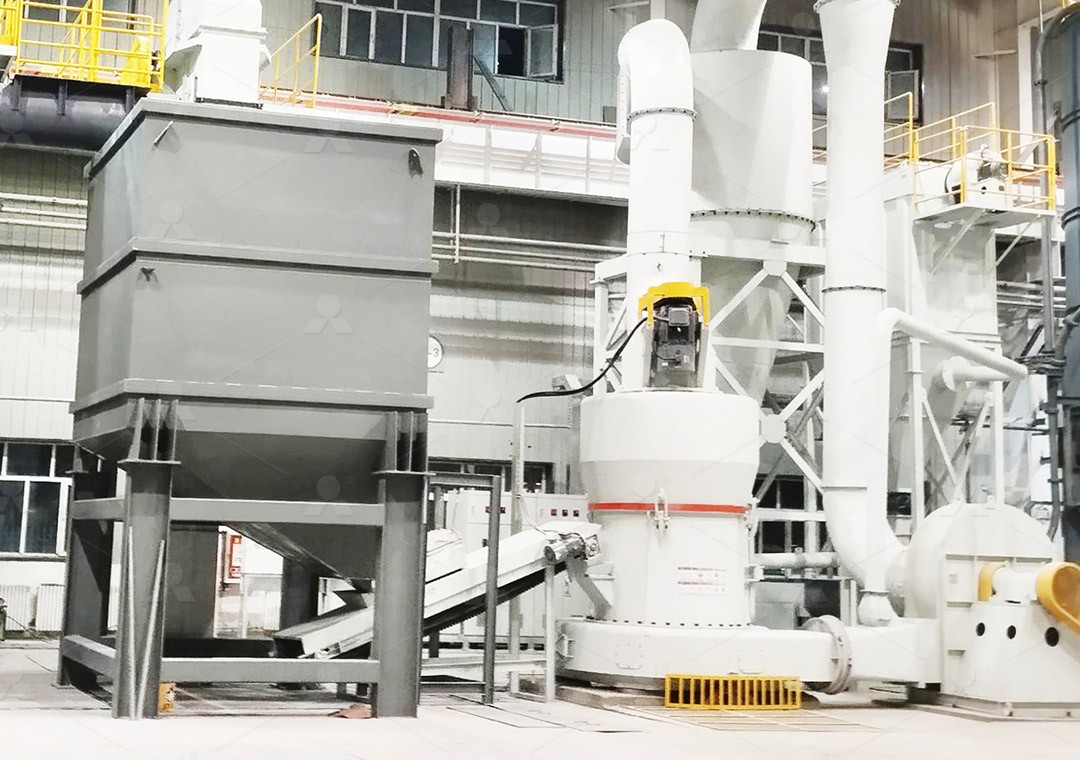
During operation, the primary goal is maintaining a consistent 200-mesh fineness. The key to achieving this is the precision of the powder separator. For instance, the LUM Ultrafine Vertical Grinding Mill utilizes advanced multi-head powder separating technology, allowing operators to accurately control fineness through the PLC interface. Continuously monitor:
- Motor Amperage: Indicates grinding effort and feed load.
- Baghouse Differential Pressure: Ensures the dust collection system is operating effectively.
- Outlet Temperature: Critical for drying and preventing moisture issues.
- Vibration Levels: Abnormal vibrations can signal misalignment or component failure.
The automated system should handle most adjustments, but operators must be vigilant.
4. Safety Protocols: Non-Negotiable Practices
Safety is paramount when dealing with coal dust and heavy machinery.
- Lockout/Tagout (LOTO): Strictly adhere to LOTO procedures before performing ANY maintenance. Isolate all energy sources (electrical, pneumatic).
- Dust Explosion Prevention: Coal dust is combustible. Ensure all explosion vents are unobstructed and the system remains under negative pressure to prevent dust leakage. Never introduce ignition sources.
- Personal Protective Equipment (PPE): Mandatory PPE includes safety glasses, hard hats, steel-toed boots, and hearing protection. Respirators are required when dust exposure is possible.
- Confined Space Entry: Entry into the mill or baghouse requires a permit, gas monitoring, and a standby attendant.
5. Emergency Shutdown Procedure
Know the location of all emergency stop buttons. In case of an emergency (e.g., unusual noise, sudden vibration, fire, smell of burning insulation):
- IMMEDIATELY press the nearest emergency stop button.
- Stop the feed conveyor and feeder.
- Allow the mill and fan to come to a complete stop. Do not open access doors until the system is fully depressurized and stopped.
- Investigate and resolve the issue before restarting.
6. Automated Shutdown & Housekeeping
For a planned shutdown, initiate the automated sequence. The system will first stop the raw coal feeder and allow the mill to run for several minutes to clear most of the material from the grinding chamber. Subsequently, the main motor will shut down. The exhaust fan and dust collector should continue running for an additional 10-15 minutes to cool the system and remove residual dust. Once completely stopped, perform a visual inspection and document any issues. Good housekeeping—keeping the area free of spilled coal dust—is a critical safety practice.

Conclusion
Operating a fully automatic 200 mesh anthracite coal mill efficiently and safely hinges on understanding the automated processes, vigilantly monitoring system parameters, and ruthlessly enforcing safety protocols. Utilizing reliable equipment designed for low maintenance and high efficiency, like our MW Ultrafine Grinding Mill (0.5-25 tph capacity, perfect for ultra-fine coal powder), is fundamental to achieving optimal, worry-free operation. Always consult your specific mill’s manual for detailed instructions.