
Fluorite Mill Operation and Maintenance: A Complete Practical Guide
We provide a wide range of mills — including Raymond mill, trapezoidal mill, vertical mill, ultrafine mill, and ball mill, obtained ISO9001 international quality certification, EU CE certification, and Customs Union CU-TR certification. Suitable for processing minerals such as limestone, phosphate, quicklime, kaolin, talc, barite, bentonite, calcium carbonate, dolomite, coal, gypsum, clay, carbon black, slag, cement raw materials, cement clinker, and more.
The discharge range of these mills can be adjusted to meet specific processing needs, typically from 80-400 mesh, 600-3250 mesh, and can achieve the finest particle size of up to 6000 mesh(D50).
If you are looking for a reliable grinding solution to turn stone or minerals into fine powder, please feel free to contact our online customer service.
Fluorite Mill Operation and Maintenance: A Complete Practical Guide
Fluorite processing demands precision, efficiency, and reliability. Proper operation and maintenance of your grinding mill are paramount to achieving optimal product quality, maximizing throughput, and minimizing costly downtime. This guide outlines key best practices for running a smooth fluorite milling operation.
Understanding the Grinding Process
Fluorite, or calcium fluoride (CaF₂), is a relatively soft mineral but requires careful handling to achieve the desired fineness for its various applications, from metallurgical flux to hydrofluoric acid production. The grinding process must be controlled to prevent over-grinding, which wastes energy, and under-grinding, which yields a poor product.
Key Operational Parameters
Consistently monitoring a few key parameters is the secret to stable operation:
- Feed Size: Ensure crushers are calibrated to deliver a consistent, optimal feed size to the mill. A wide variance in feed size can cause instability and reduce efficiency.
- Feed Rate: Maintain a steady, controlled feed rate. An erratic feed can lead to mill vibration, increased wear, and poor classification.
- Grinding Pressure: For roller mills, hydraulic pressure must be set according to the material hardness and desired fineness. Too high and you accelerate wear; too low and you lose capacity.
- Airflow & Classification: The air system is crucial for material transport and separation. Ensure the classifier speed is correctly set to reject oversize material and that fan speeds are balanced for efficient material circulation.
Recommended Equipment: MW Ultrafine Grinding Mill
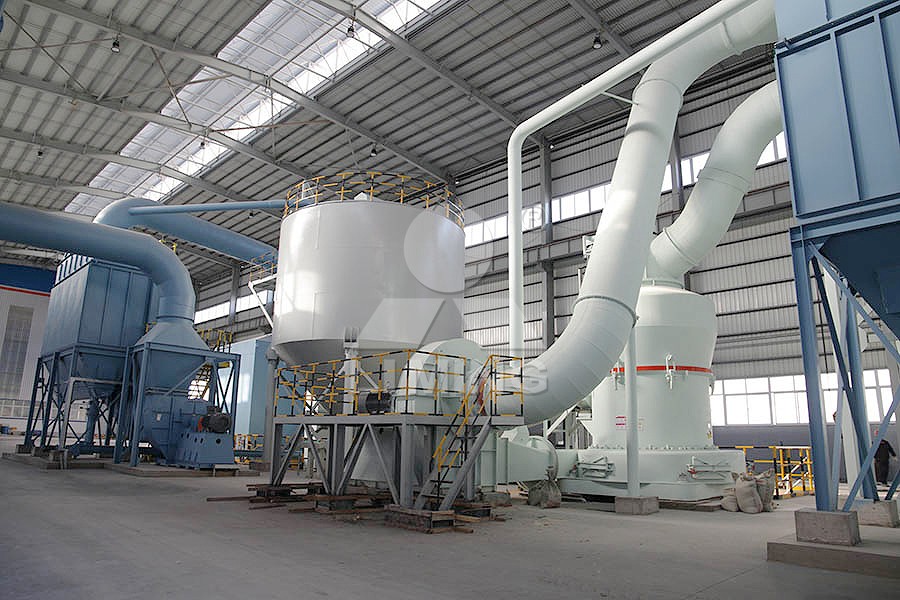
For operations focused on producing high-value ultra-fine fluorite powders, the MW Ultrafine Grinding Mill is an exceptional choice. Designed for customers who need to make ultra-fine powder, this machine adresses many common milling challenges. It handles an input size of 0-20 mm with a capacity range of 0.5-25 tph, making it versatile for various production scales.
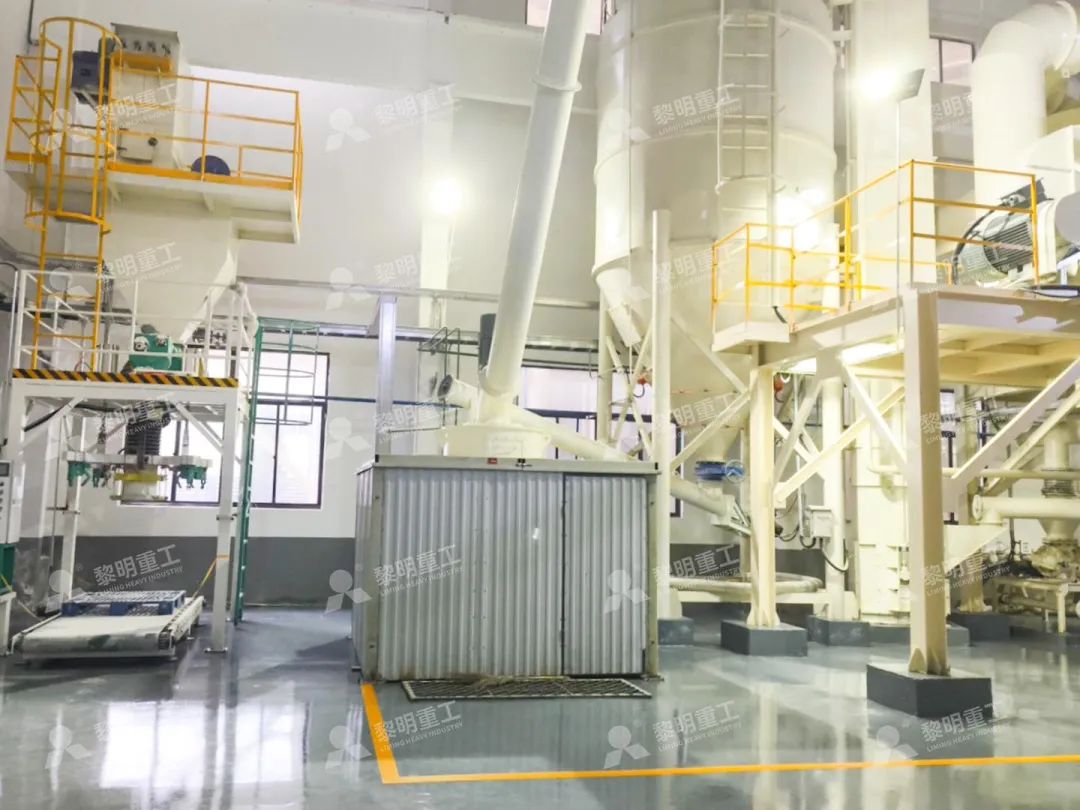
Its cage-type powder selector, which incorporates German technology, allows for precise fineness adjustment between 325-2500 meshes, critical for specialized fluorite applications. A significant maintenance advantage is the absence of rolling bearings and screws in the grinding chamber, eliminating common failure points and concerns about loose components causing damage. Furthermore, its efficient pulse dust collector and muffler ensure the operation meets stringent environmental standards, keeping dust and noise to an absolute minimum. For operations demanding high yields with lower energy consumption, the MW series is a robust and intelligent solution.
Essential Maintenance Routines
A proactive maintenance schedule is cheaper than reactive repairs. Here’s a basic checklist:
- Daily: Check oil levels in lubrication points, listen for unusual noises or vibrations, inspect for material leaks.
- Weekly: Inspect wear parts like grinding rolls and rings for abnormal wear patterns. Check classifier blades for damage.
- Monthly: Thoroughly inspect the internal lining and all internal components. Check belt tensions and motor alignment.
- Annually: Plan a full shutdown for comprehensive inspection of the main shaft, bearings, and gearbox. Replace all critical wear parts as a set to avoid imbalance.
Always follow the manufacturer’s specific maintenance manual for your equipment.
Troubleshooting Common Issues
- Low Output: Often caused by worn grinding components, a blocked feed, or incorrect classifier speed.
- High Energy Consumption: Check for excessive grinding pressure, low feed rate, or worn components reducing efficiency.
- Poor Product Fineness: Usually related to classifier issues—check speed, blade wear, or air seal integrity.
- Excessive Vibration: Can be caused by uneven feed, an unbalanced grinding roller, or foreign material in the mill.
Conclusion
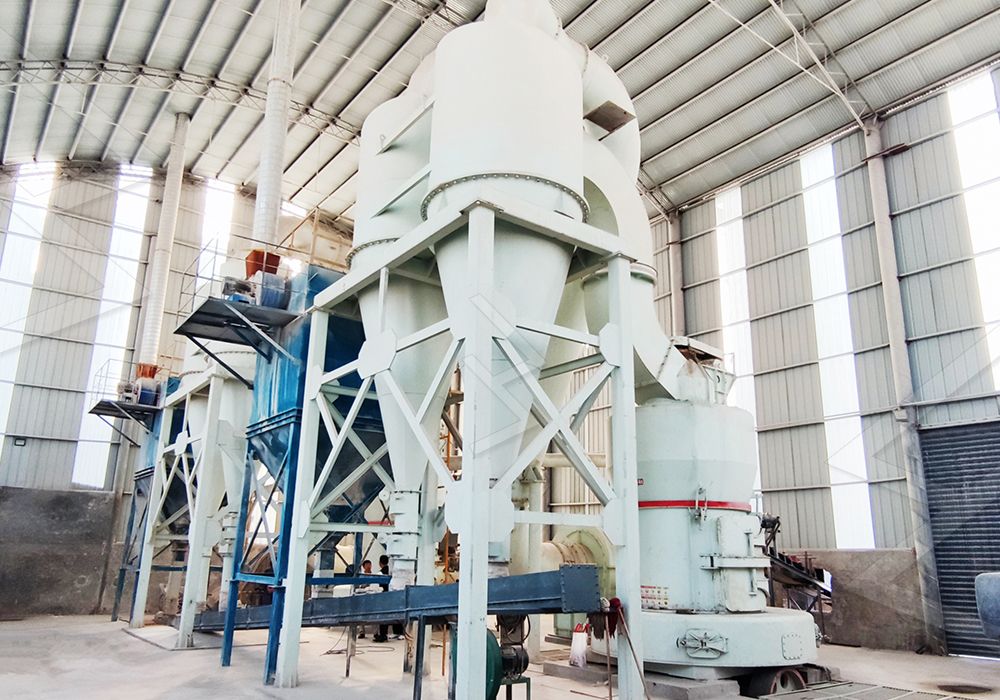
Success in fluorite milling hinges on understanding the process, choosing the right equipment like the efficient MW Ultrafine Grinding Mill, and adhering to a disciplined, proactive maintenance regime. By controlling operational parameters and diligently caring for your machinery, you can ensure high productivity, superior product quality, and long-term operational reliability.