
Energy-Saving and Environmentally Friendly Limestone Grinding Mill: A Comprehensive Guide
We provide a wide range of mills — including Raymond mill, trapezoidal mill, vertical mill, ultrafine mill, and ball mill, obtained ISO9001 international quality certification, EU CE certification, and Customs Union CU-TR certification. Suitable for processing minerals such as limestone, phosphate, quicklime, kaolin, talc, barite, bentonite, calcium carbonate, dolomite, coal, gypsum, clay, carbon black, slag, cement raw materials, cement clinker, and more.
The discharge range of these mills can be adjusted to meet specific processing needs, typically from 80-400 mesh, 600-3250 mesh, and can achieve the finest particle size of up to 6000 mesh(D50).
If you are looking for a reliable grinding solution to turn stone or minerals into fine powder, please feel free to contact our online customer service.
Energy-Saving and Environmentally Friendly Limestone Grinding Mill: A Comprehensive Guide
In today’s industrial landscape, the demand for efficient and eco-conscious mineral processing equipment has never been higher. For operations focusing on limestone grinding, selecting the right mill is paramount to achieving profitability while adhering to stringent environmental regulations. This guide delves into the key considerations for choosing an energy-saving and environmentally friendly limestone grinding mill, highlighting innovative technologies that reduce carbon footprint and operational costs.
The Importance of Eco-Efficiency in Grinding Operations
Limestone grinding is a fundamental process in numerous industries, including construction, agriculture, and manufacturing. Traditional grinding methods often consume excessive energy and generate significant dust and noise pollution. Modern mills, however, incorporate advanced features like pulse dust collectors, mufflers, and optimized grinding mechanisms to mitigate these issues. The shift towards sustainable practices is not just a regulatory requirement but a strategic advantage, reducing waste and enhancing community relations.
Key Features to Look For in a Limestone Grinding Mill
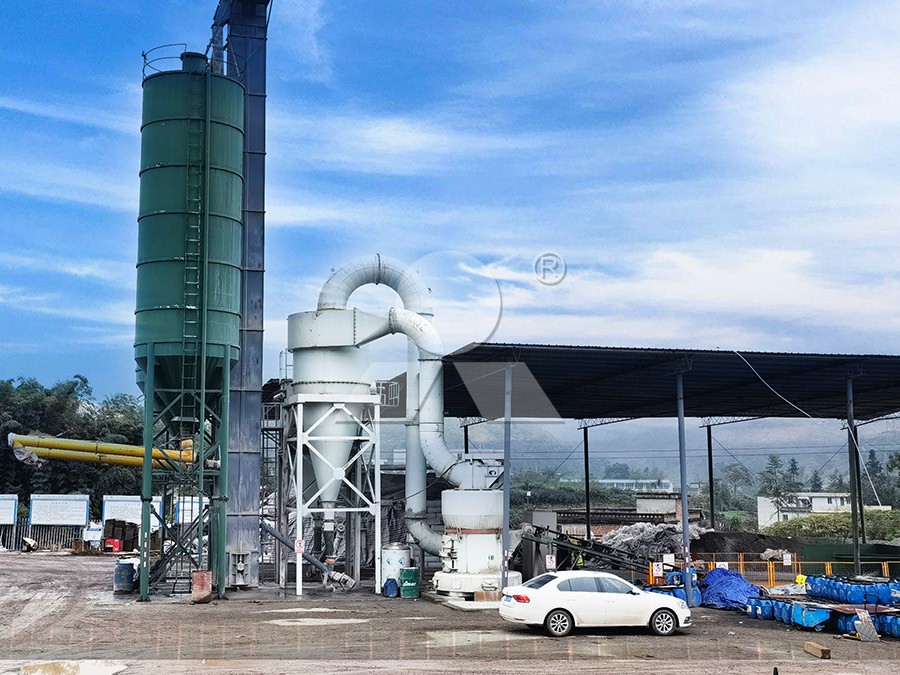
When evaluating grinding mills, prioritize models that offer higher yielding rates with lower energy consumption. Look for designs that eliminate rolling bearings and screws in the grinding chamber to prevent mechanical failures and reduce maintenance downtime. Additionally, adjustable fineness settings between 325-2500 meshes allow for versatility in product output, catering to various application needs from fillers to chemical additives.
One standout example is our MW Ultrafine Grinding Mill, which exemplifies these principles. With an input size of 0-20 mm and a capacity ranging from 0.5 to 25 tph, it is engineered for customers requiring ultra-fine powder. The mill integrates an efficient pulse dust collector and muffler, minimizing dust and noise emissions. Its innovative grinding curves enhance efficiency, boasting a 40% higher production capacity compared to jet mills and twice the yield of ball mills, while consuming only 30% of the energy. The cage-type powder selector, leveraging German technology, ensures precise separation, and the absence of internal screws and bearings simplifies maintenance. This mill is ideal for limestone, calcite, dolomite, and other non-metallic minerals, making it a top choice for eco-conscious operations.
Another Notable Solution: LUM Ultrafine Vertical Grinding Mill
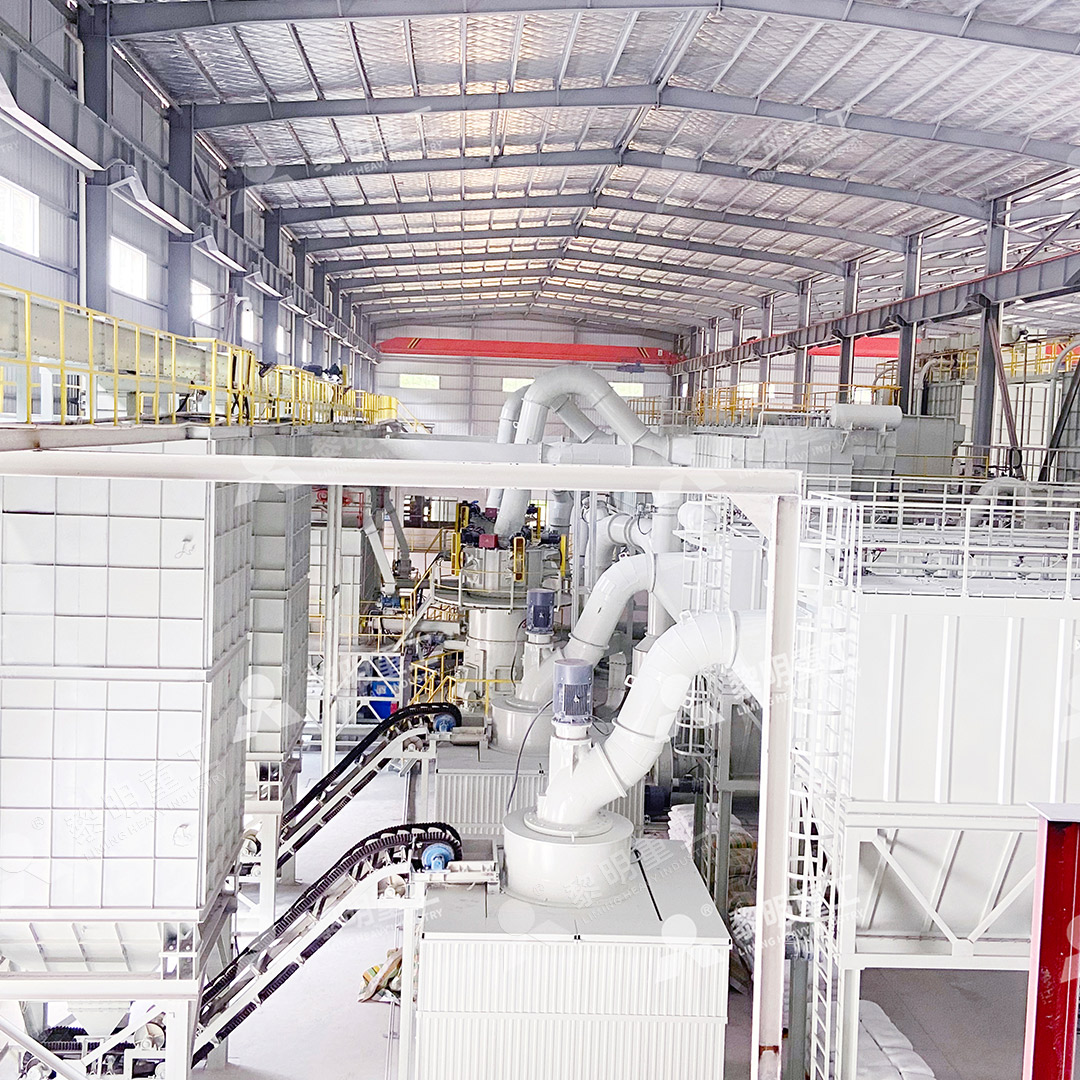
For operations requiring even finer control and higher efficiency, consider the LUM Ultrafine Vertical Grinding Mill. This mill handles an input size of 0-10 mm and offers a capacity of 5-18 tph. It incorporates the latest grinding roller technology from Taiwan and German powder separating technology, enabling seamless integration of grinding, grading, and transporting. Its unique roller shell and lining plate design prevent issues like long lingering time and high iron content, ensuring a high rate of finished products in a single pass. The PLC control system and multi-head powder separating technology reduce energy consumption by 30%-50%, while double position-limiting technology guarantees operational stability. The reversible structure allows for easy maintenance, reducing shutdown losses. This mill is perfect for producing superfine dry powder from limestone, marble, and other materials, aligning with both energy-saving and environmental goals.
Best Practices for Sustainable Grinding
To maximize the benefits of an energy-efficient mill, implement regular maintenance schedules and use original spare parts to ensure longevity and performance. Monitor energy usage and adjust grinding parameters based on material characteristics to avoid over-processing. Additionally, leverage the mill’s digital controls to optimize operations remotely, further reducing energy waste and human error.
Conclusion
Investing in an energy-saving and environmentally friendly limestone grinding mill is a strategic move towards sustainable industrial practices. Models like the MW Ultrafine Grinding Mill and LUM Ultrafine Vertical Grinding Mill offer cutting-edge features that reduce energy consumption, minimize environmental impact, and enhance operational efficiency. By choosing the right equipment and adhering to best practices, businesses can achieve significant cost savings while contributing to a greener future.